

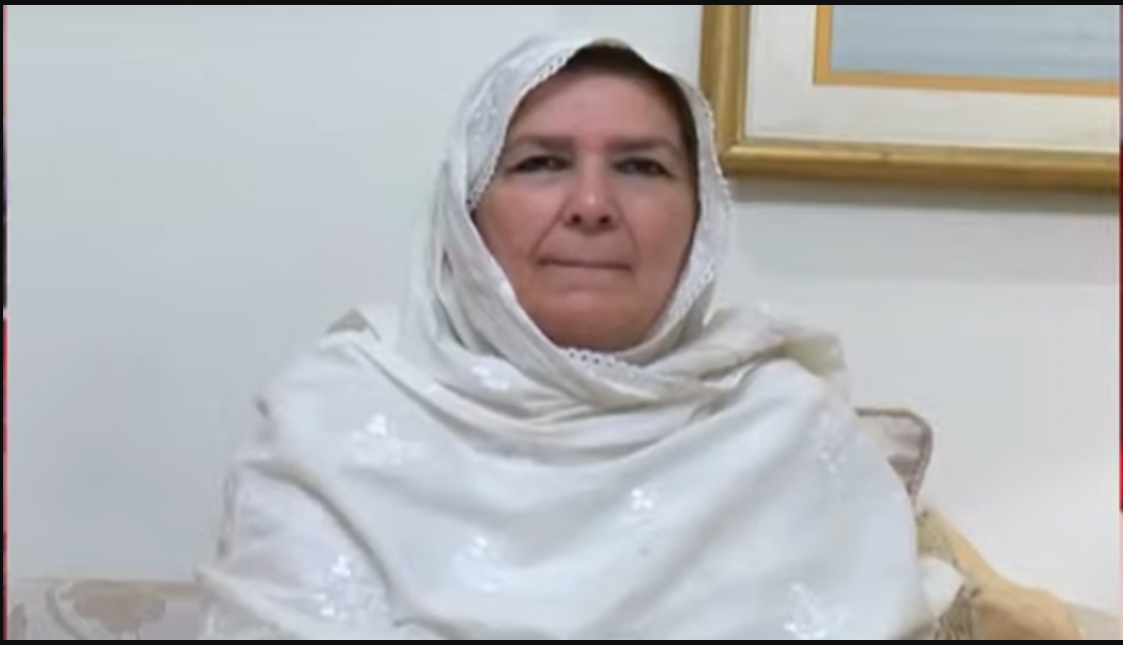

Imran Khan’s sister Noreen Niazi has filed a formal complaint with the Punjab inspector general after what she described as a brutal assault on peaceful protesters outside Adiala Jail. Her statement has raised serious questions about the treatment of political families, the right to lawful assembly, and the use of force against unarmed citizens.
The incident occurred last week, when Noreen, Aleema, Dr Uzma and several Pakistan Tehreek-e-Insaf supporters gathered outside the prison. They had reportedly been denied a meeting with the PTI founder for weeks. Because of this, they chose to sit outside the jail in what they insisted was a peaceful and democratic protest.
A Peaceful Sit-In Turns Chaotic
According to Noreen, she and her sisters remained seated quietly and avoided blocking public movement. They did not chant slogans, nor did they disrupt traffic. Yet, she claims that the police suddenly responded with unexpected force.
Videos later shared on social media showed Aleema and Uzma surrounding Noreen, who appeared visibly shaken. Her hands trembled as Aleema described how “women dragged her on the road.” These visuals intensified public outrage and amplified calls for accountability.
Darkness, Panic and a Sudden Police Charge
In her written complaint, Noreen described a disturbing sequence of events. As evening fell, the streetlights outside the jail were abruptly switched off, throwing the entire area into darkness. She said the timing appeared deliberate since police officers then moved toward the protesters.
She stated that officers launched an orchestrated assault without issuing warnings. Her account said she, at 71 years old, was grabbed by her hair, thrown to the ground, and dragged across the road. She said she sustained visible injuries. She added that several women were slapped, pulled violently and handled in a degrading manner.
Protesters Allegedly Dumped in Remote Areas
As the confrontation escalated, police reportedly placed peaceful protesters into vans. Noreen claimed that many detainees were later abandoned in distant locations in the middle of the night. This claim has added further alarm, since such actions raise concerns about safety, legality and basic human dignity.
Involvement of Khyber Pakhtunkhwa Cabinet Members
In her complaint, Noreen highlighted another crucial detail. Members of the Khyber Pakhtunkhwa cabinet, along with lawyers and other PTI workers, were present during the protest. She stated that their presence did not deter the police from violence, and many of them were also mishandled. She argued that this signaled a troubling decline in inter-provincial respect and political tolerance.
A Pattern of Impunity?
Noreen argued that the episode does not stand alone. Instead, she claimed it fits into a three-year pattern of excessive force used against peaceful citizens. She said this pattern reflects a worrying sense of impunity within the provincial police force.
Her letter described the behaviour of the officers as “indefensible, criminal and morally reprehensible.” She said the police had violated provisions of the Police Order 2002, which outlines lawful conduct expected from officers.
What Noreen Wants From the Inspector General
Noreen submitted a detailed set of demands. She asked for:
-
Immediate action against all officers involved
-
Proceedings against officials who authorised or ignored the alleged violence
-
Preservation of all visual evidence from the night
-
An impartial inquiry into the assault and detentions
-
A review that treats victims as peaceful citizens, not criminals
Her demands seek accountability, transparency and the protection of constitutional rights.
Reactions From Rights Groups and Political Leadership
The Human Rights Commission earlier expressed alarm over reports of mistreatment. It called for a transparent investigation and urged authorities to safeguard the rights of prisoners’ families and peaceful demonstrators.
Soon after, Khyber Pakhtunkhwa’s chief minister wrote to the Punjab chief minister, raising concerns about the incident. He highlighted the obstruction of visitation rights and asked for fair treatment of families seeking to meet detained relatives.
A Test for Democratic Norms
The case has stirred debate about the boundaries of state authority, the rights of political workers and the position of families connected to public figures. Many observers believe the complaint could become a significant test of accountability for provincial law-enforcement agencies.
Noreen’s narrative suggests that peaceful protest is becoming increasingly difficult and risky. Her claims highlight a deeper concern about political expression, especially when linked to opposition parties.
What Comes Next?
Her letter now sits with the Punjab inspector general. Whether meaningful action follows will shape public trust in the system. If fair and transparent accountability occurs, it may restore confidence in democratic processes. Otherwise, critics fear that mistrust in law-enforcement institutions may deepen.
