

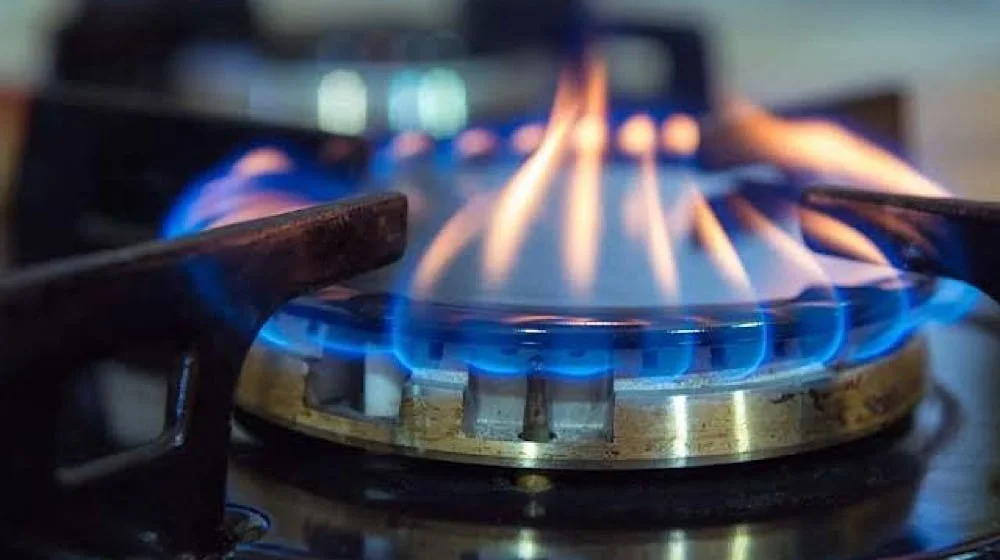

The federal government has decided to keep gas prices unchanged throughout 2026, offering relief to consumers amid ongoing economic pressures. Authorities confirmed that no tariff increase will be implemented from January onward, marking a rare pause in annual energy price adjustments.
Federal Minister for Petroleum Ali Pervaiz Malik informed a parliamentary standing committee that the decision followed direct instructions from the prime minister. He explained that stabilisation in the gas sector’s circular debt allowed the government to hold prices steady this year.
According to the briefing, the gas circular debt currently stands at approximately Rs3,000 billion, including liabilities linked to imported liquefied natural gas. The minister noted that nearly Rs1,700 billion of this amount represents accumulated interest, rather than fresh losses.
He emphasised that the most significant factor behind the price freeze was the halt in circular debt growth. Since the debt is no longer expanding, authorities believe there is room to protect consumers from further cost increases in 2026.
Ali Pervaiz Malik reaffirmed that gas consumers will continue paying existing tariffs throughout the year. He added that maintaining price stability remains a government priority, especially during a period of fragile household purchasing power.
During the session, the minister also highlighted Pakistan’s long-term LNG supply arrangements. He stated that Qatar honoured its contractual commitments even during periods of extreme volatility in global energy markets. At times when international LNG prices surged to nearly $30 per unit, Pakistan continued receiving supplies under agreed rates.
He further briefed lawmakers on changing gas demand patterns within the power sector. Morning demand typically reaches around 800 million cubic feet per day, before falling to nearly half by midday. Seasonal shifts also affect consumption levels during winter months.
In January, the power sector initially demanded lower volumes but later increased requirements as operational needs changed. Officials said such fluctuations are now being managed more efficiently through improved coordination.
The minister also disclosed plans for offshore drilling activity in the Indus Basin. Turkish Petroleum is expected to lead the effort, while Pakistani companies involved will be required to share financing responsibilities for exploration projects.
Authorities believe that expanding domestic exploration, combined with stable import contracts, will strengthen energy security. Officials maintain that sustained reforms in pricing, monitoring, and supply management are essential for long-term sector stability.
With gas prices frozen for 2026, the government aims to balance fiscal discipline with public relief while keeping the energy sector financially viable.
