
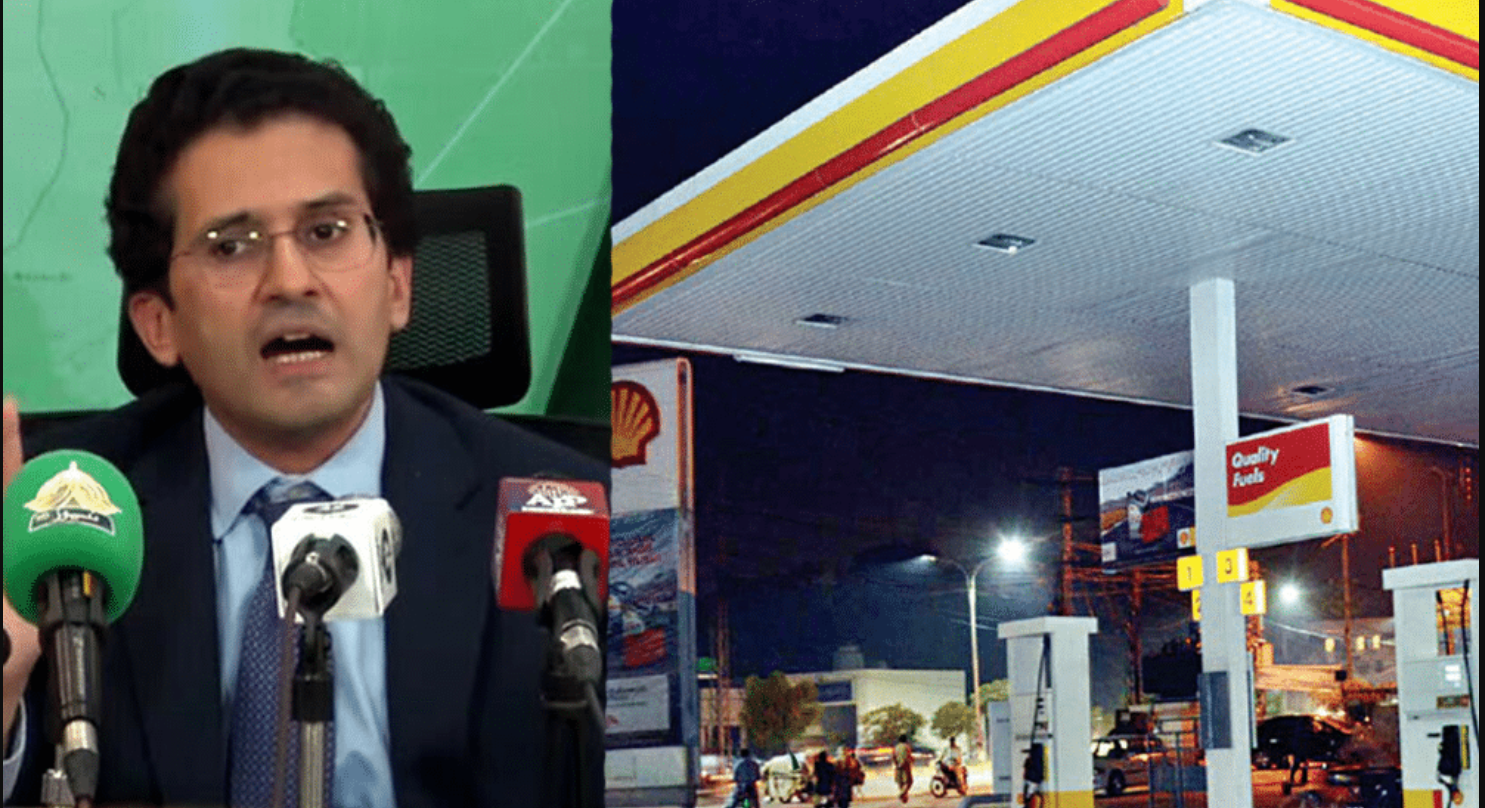

The federal government has ruled out fuel rationing, stressing that such a move could create panic across the country. Officials believe rationing may disrupt supply chains instead of stabilizing fuel availability.
Authorities say maintaining public confidence remains essential during ongoing energy challenges. Therefore, policymakers are focusing on uninterrupted supply rather than restrictive measures.
The announcement aims to reassure consumers concerned about fuel shortages and rising uncertainty in energy markets.
Stability of Fuel Supply Remains Top Priority
The petroleum ministry emphasized that ensuring a stable fuel supply remains the government’s main objective. Officials stated that uninterrupted imports are necessary to prevent shortages nationwide.
Pricing decisions, according to policymakers, are designed to support continued petroleum imports. Consequently, authorities aim to avoid sudden disruptions that could affect transportation and economic activity.
Moreover, officials believe predictable supply conditions help reduce panic buying. Stable market expectations also support smoother distribution across provinces.
Concerns Over Public Panic and Security Risks
Authorities warned that fuel rationing could trigger unintended consequences. Panic reactions may lead to long queues, hoarding, and pressure on retail outlets.
Officials expressed concern that such conditions could escalate into security incidents. In extreme situations, fuel stations and storage facilities might become vulnerable to unrest.
Therefore, policymakers prefer preventive measures that maintain normal market operations. Maintaining calm public behavior remains central to the strategy.
Lessons Drawn from International Experience
Government officials referenced international examples where rationing created instability rather than relief. In some cases, restrictions resulted in public unrest and attacks on fuel infrastructure.
These experiences have shaped Pakistan’s current approach to fuel management. Authorities believe avoiding rationing reduces risks linked to social disruption.
Additionally, stable supply policies help maintain investor and importer confidence. This confidence ensures continued fuel availability despite external pressures.
Focus on Supply Chain Continuity
Officials highlighted that Pakistan’s fuel system depends on consistent imports, storage, and distribution networks. Any sudden policy shift could interrupt these interconnected processes.
Therefore, authorities continue monitoring supply conditions while adjusting policies carefully. Gradual management strategies are viewed as more effective than emergency restrictions.
Furthermore, coordination between regulators, importers, and distributors remains ongoing. This cooperation aims to prevent shortages before they emerge.
Public Cooperation Remains Essential
Authorities urged citizens to avoid panic buying and rely on official updates regarding fuel availability. Responsible consumer behavior plays a crucial role in maintaining market stability.
Drivers and businesses are encouraged to use fuel efficiently while avoiding unnecessary stockpiling. Collective cooperation can help sustain supply during uncertain periods.
Ultimately, officials believe confidence and stability remain stronger tools than rationing. By prioritizing steady supply, the government hopes to maintain economic continuity and public reassurance.

