
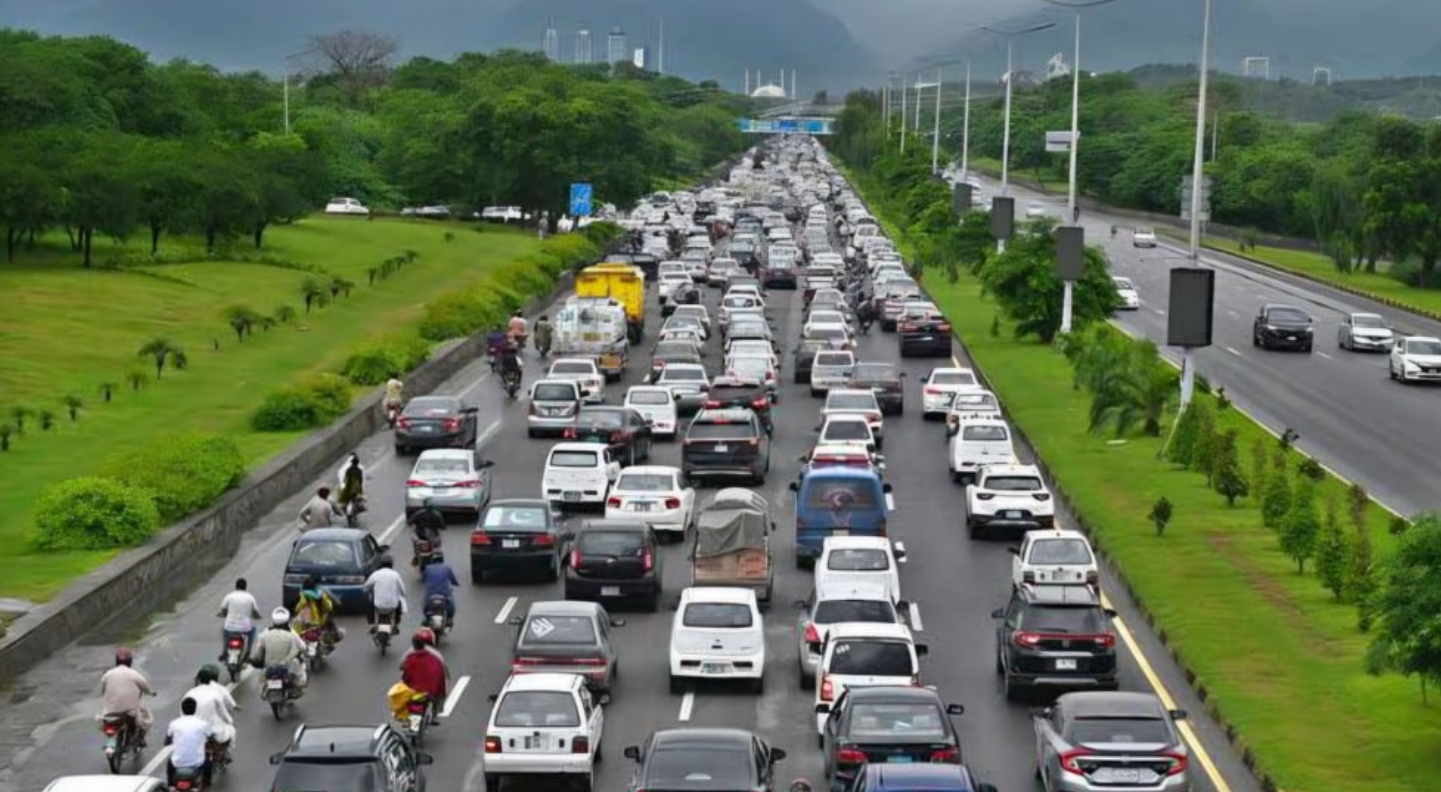

The National Information Technology Board (NITB) has requested Rs. 208 million for the Smart Islamabad Initiative in the fiscal year 2026-27. The 24-month project, designed to modernize urban traffic management, has so far achieved 20 percent physical progress. Interestingly, no financial expenditure has been recorded despite the ongoing implementation efforts.
Executed under the Ministry of Information Technology and Telecommunication, the initiative aims to enhance governance, public service delivery, and security by integrating real-time data across multiple agencies. The project will serve as a benchmark for future smart city development in Pakistan.
Central Fusion Center to Drive Traffic Intelligence
At the heart of the project lies a central Fusion Center, which will connect agencies such as Safe City Islamabad, Capital Development Authority (CDA), and the Environmental Protection Agency (EPA). Officials highlight that this integrated approach will enable smarter traffic management, better urban monitoring, and faster decision-making in emergencies.
The Fusion Center will process traffic flows, congestion patterns, and safety alerts in real time. This data-driven framework is expected to improve operational efficiency and reduce delays in city administration.
Delays and Procurement Progress
Project officials noted that progress was initially delayed due to the late issuance of the No Objection Certificate (NOC). However, the procurement process has now advanced following the completion of Stage I of the Request for Proposal (RFP). Authorities anticipate that these steps will accelerate overall project execution.
Despite the current pace, experts see the Smart Islamabad Initiative as a vital model for replicating technology-driven urban governance in other cities across Pakistan. Its scalable design allows potential expansion to additional urban centers, making it a flagship project in the country’s push for smart infrastructure.
Financial Overview and Future Prospects
The total cost of the initiative stands at Rs. 708.384 million. NITB’s funding request of Rs. 208 million for the upcoming fiscal year reflects the commitment to completing core components of the project, including infrastructure setup, technology deployment, and data integration modules.
Officials emphasize that the initiative will improve not only traffic monitoring but also security and emergency response, benefiting citizens and government operations alike. By combining technology and governance, the project demonstrates how urban centers can leverage data intelligence for better management and planning.
In conclusion, the Smart Islamabad traffic monitoring project promises to reshape the city’s approach to urban mobility and public safety. With proper funding and timely execution, Islamabad could become a national benchmark for smart city development, influencing future urban projects across Pakistan.

