

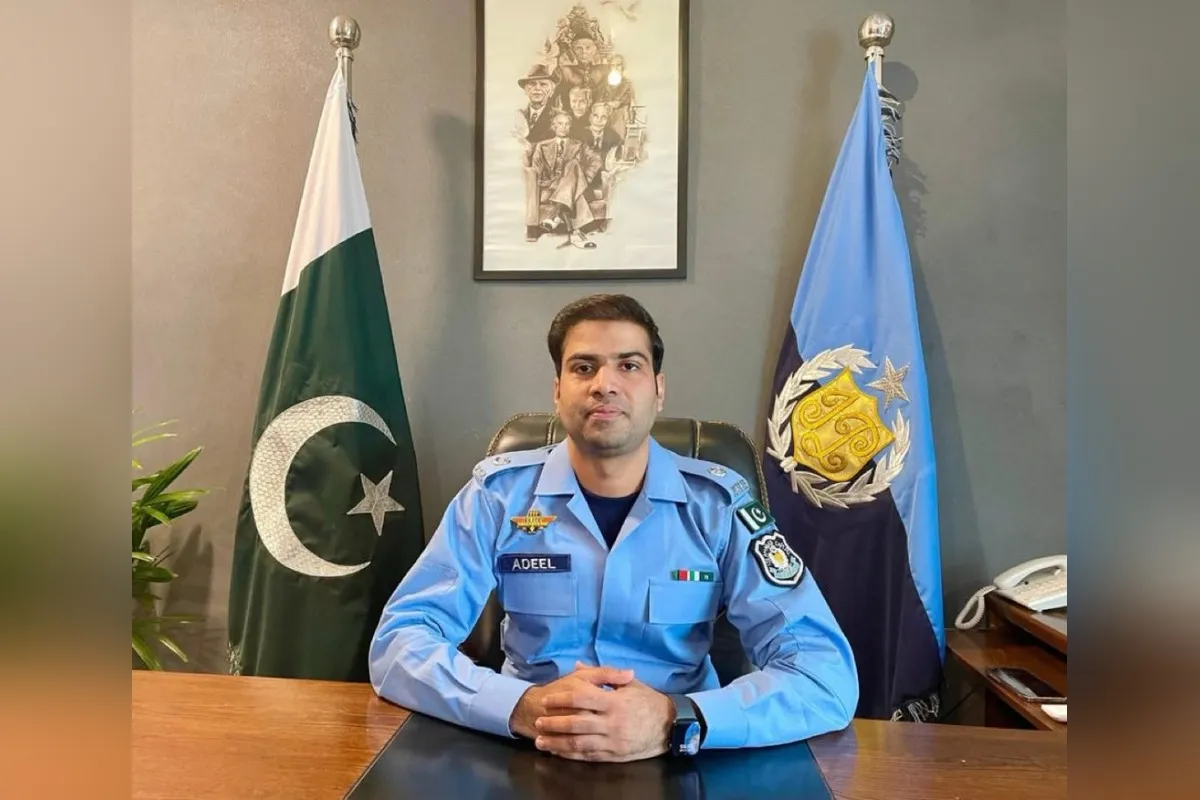

Fresh revelations have surfaced regarding the alleged suicide of Islamabad Industrial Area Superintendent of Police (SP) Adeel Akbar. Official records suggest the officer had been suffering from dengue fever and was reportedly denied timely medical leave despite multiple requests.
According to documents, SP Adeel Akbar’s dengue test returned positive. Doctors strongly advised him to rest and avoid work until recovery. However, internal directives reportedly emphasized “work and only work,” even as his condition continued to worsen.
Officer Requested Medical Leave Before Tragic Incident
Sources confirmed that SP Adeel had formally applied for three days of medical leave — from October 20 to 22. His request, along with the medical report, was submitted to the Islamabad Deputy Inspector General (DIG) and also forwarded to the Additional Inspector General (AIG) of Establishment.
The documents show that the officer provided all necessary paperwork, including a doctor’s note recommending bed rest. Despite these submissions, the leave was not granted within the requested timeframe. As a result, SP Adeel continued performing his duties in the Industrial Area zone under mounting pressure.
Medical Reports Confirm Dengue Infection
The medical report, now part of the official record, confirms that the officer was diagnosed with dengue fever. Physicians had clearly advised him to rest and refrain from official work until his platelet count stabilized.
However, departmental priorities reportedly focused on maintaining operations rather than the officer’s well-being. This approach allegedly left SP Adeel overworked and physically drained.
Concerns Over Internal Welfare and Management
Following the incident, senior officials within the police department have expressed concerns over the internal management system and welfare policies. Many officers believe the situation highlights a lack of administrative sensitivity toward personnel health, particularly during illness or medical emergencies.
The case has prompted internal discussions about the need for better welfare protocols and the importance of prioritizing officers’ health in high-pressure environments.
Leave Approved Too Late
Sources later revealed that SP Adeel Akbar’s medical leave was eventually approved — but only after the requested dates had passed. The DIG office reportedly signed the approval on October 23, one day after the officer’s applied leave period ended.
This delayed approval has raised serious questions about administrative inefficiency and its potential impact on the officer’s state of mind. Many within the force have described the situation as a tragic example of systemic neglect and poor communication within the department.
Call for Accountability and Policy Reform
The circumstances surrounding SP Adeel Akbar’s death have fueled calls for a transparent inquiry. Officers and colleagues have urged authorities to review workload policies and ensure that future medical requests are handled swiftly and compassionately.
The case continues to draw attention to the need for mental health awareness, timely administrative response, and humane management practices within law enforcement institutions.
