

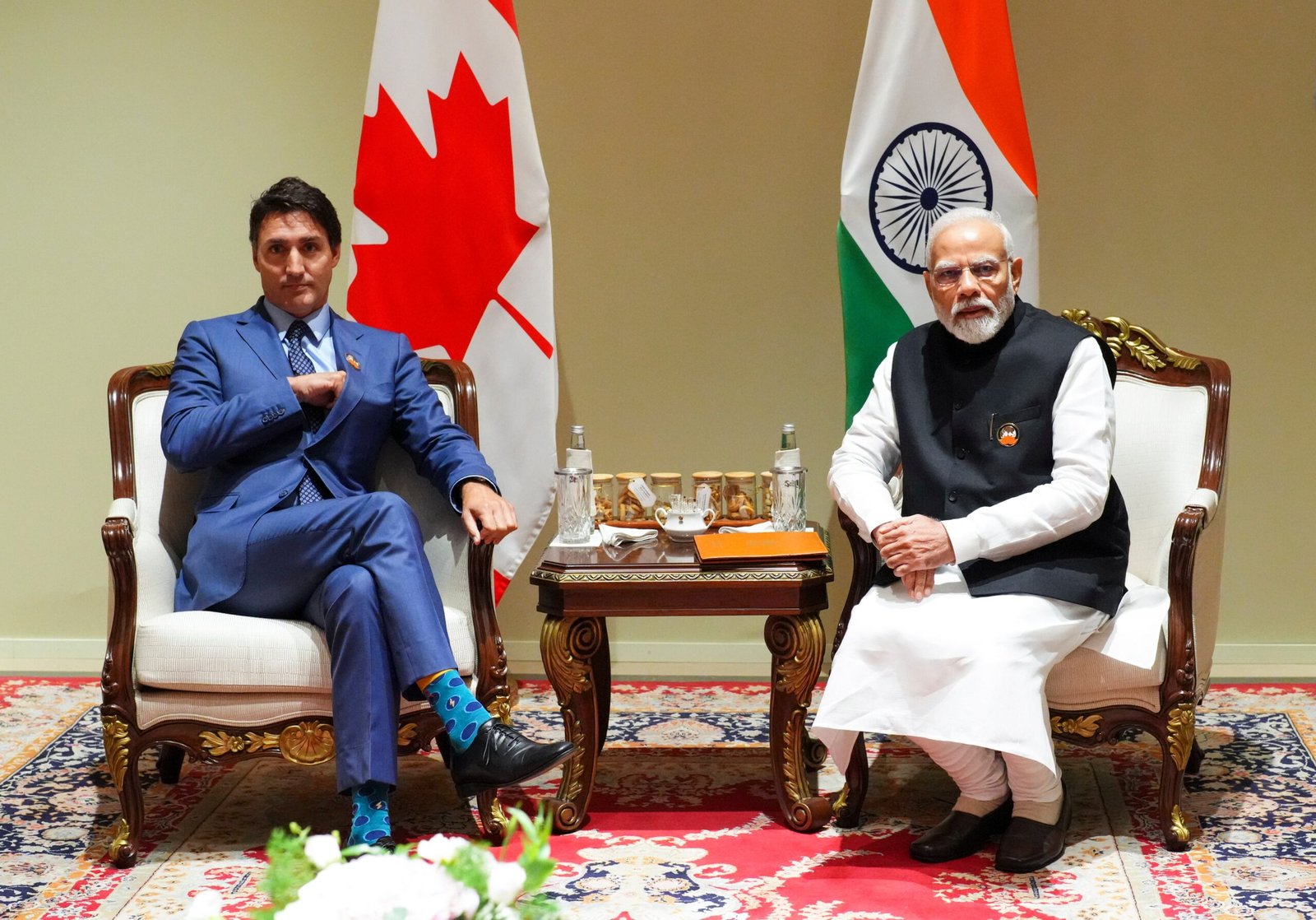

ISLAMABAD: On Thursday, New Delhi announced its intention to reduce the number of Canadian diplomatic staff in India and to suspend visa services amid an escalating dispute over the assassination of a Sikh separatist.
Canadian Prime Minister Justin Trudeau has called for India to take the allegations of Indian agents’ involvement in the murder of Hardeep Singh Nijjar near Vancouver very seriously. This accusation has escalated tensions between Canada, a G7 member, and India, the world’s most populous country.
In response to the allegations and the subsequent diplomatic fallout, India forcefully denied any involvement in Nijjar’s killing, labeling such claims as “absurd.”
The situation has strained relations between the two countries even further, and India has called for parity in diplomatic representation, indicating that they may reduce their diplomatic presence in Canada to match the number of Canadian diplomats in India.
Additionally, India has temporarily halted handling visa applications in Canada, citing “security threats” that have disrupted their officials’ work.
This development reflects the growing tension and diplomatic friction between Canada and India due to the murder allegations and the subsequent actions taken by both nations.
Threats
Canada’s High Commission has announced plans to “adjust” the number of its diplomats in India due to “threats on various social media” directed at their staff. They cite the current heightened tensions as the reason for taking these safety measures and ensuring the well-being of their diplomats.
While the statement did not specify the exact number of diplomats being withdrawn, it emphasized that their offices in India remain open and operational. Canada has also called on India to guarantee the safety of its accredited diplomats and consular officers, just as Canada does for Indian diplomats in Canada.
This move by Canada comes after the expulsion of a diplomat described as the head of India’s foreign intelligence service in Canada by Ottawa, leading to a reciprocal expulsion of a Canadian diplomat by New Delhi.
Furthermore, India has temporarily suspended visa services for applicants in Canada, expressing concerns about the safety of its citizens in Canada due to what it described as “politically-condoned hate crimes and criminal violence.” The Indian foreign ministry has pointed out that these threats have particularly targeted Indian diplomats and members of the Indian community who oppose an “anti-India agenda.”
The situation continues to underscore the strained diplomatic relations between Canada and India, with both countries taking measures to address the ongoing tensions.
Canada-India Tensions Over Khalistan Activist’s Murder
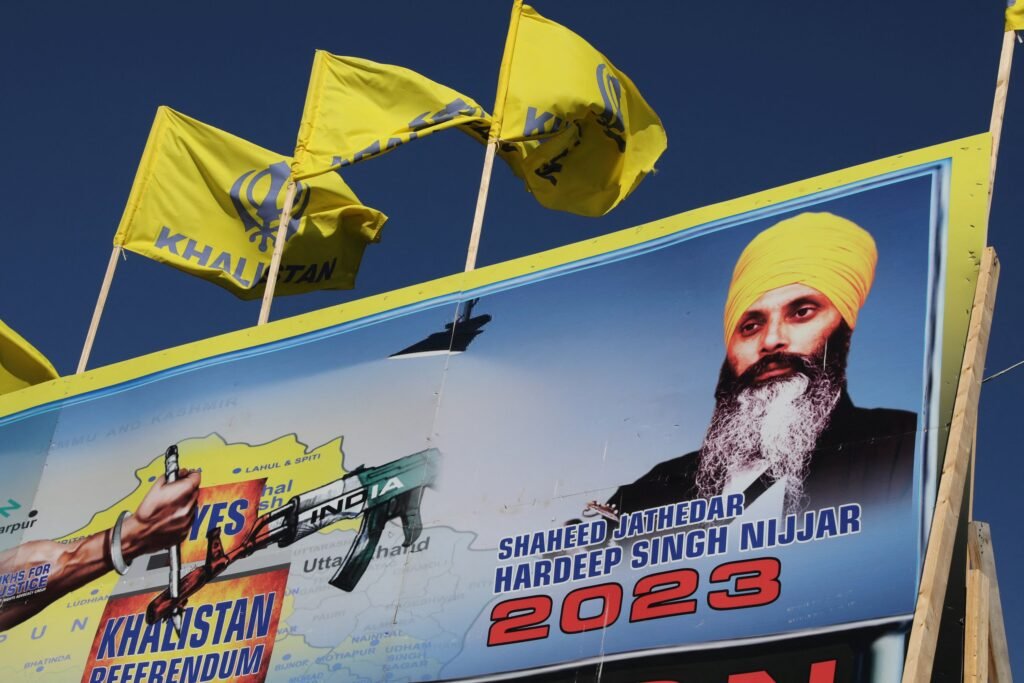
Two masked assailants shot and killed Nijjar outside the Sikh temple he presided over in Surrey, a suburb of Vancouver. Nijjar was an activist advocating for the creation of a Sikh state known as Khalistan and was wanted by Indian authorities for alleged terrorism and conspiracy to commit murder. The World Sikh Organization of Canada, a nonprofit organization defending the interests of Canadian Sikhs, stated that he had denied these charges.
The Indian government has accused Ottawa of ignoring the activities of radical Sikh nationalists who promote the idea of an independent state carved out of northern India.
Signs of a brewing crisis emerged before Trudeau disclosed the investigation into Nijjar’s death on Monday. During a G20 meeting earlier in the month, India’s Prime Minister Narendra Modi expressed “strong concerns about continuing anti-India activities of extremist elements in Canada” to Trudeau.
Canada had also halted negotiations for a free-trade agreement with India and canceled a planned trip to the country by its trade minister in October.
This situation could complicate US government efforts to improve relations with India, as both countries have been steadily strengthening their ties in recent years, with Washington considering New Delhi a key ally in countering Chinese influence in the Asia-Pacific region.
