
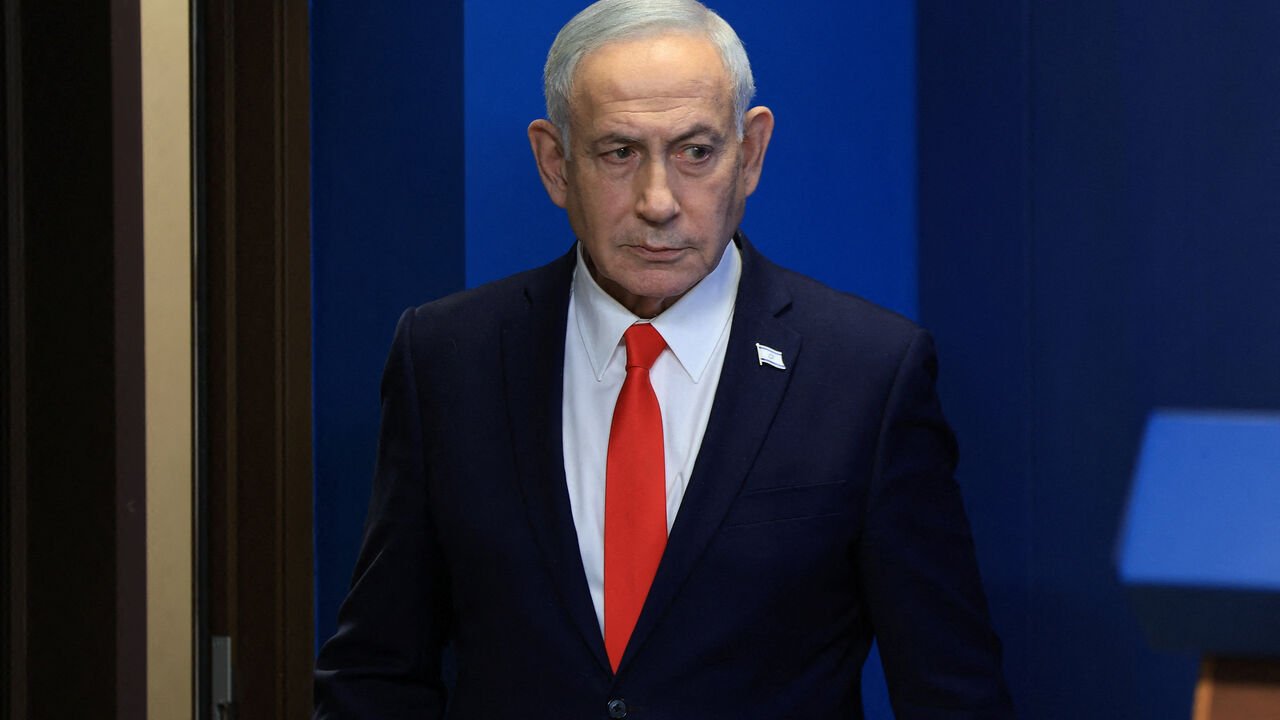

Israeli Prime Minister Benjamin Netanyahu has said he does not favour launching a preemptive attack on Iran before Israel’s October 27 election. However, he has warned Tehran and its regional allies against attacking Israel, leaving questions about the country’s military plans after the vote.
Speaking in an interview with Israel’s Army Radio on Wednesday, Netanyahu dismissed the immediate prospect of a preemptive strike. His remarks came amid accusations from political rivals that he might seek a military confrontation before the election.
“It is not convenient for us, it’s no good,” Netanyahu said when asked about the possibility of an attack before Israelis head to the polls.
He also acknowledged the political risks of another confrontation with Iran, saying, “Even if Iran fires missiles at us, they will blame me.”
Nevertheless, Netanyahu repeated his warning that Israel would respond forcefully if Iran launched an attack. His comments indicate that, although he opposes striking first before the election, he has not ruled out a strong military response.
Netanyahu Keeps Post-Election Military Options Unclear
Netanyahu declined to explain whether Israel might consider a preemptive strike after the October 27 election. He also avoided discussing his recent conversations with Washington about Iran.
Meanwhile, tensions between the United States, Israel and Iran remain a major regional concern. The United States and Iran have been at war since February 28, when American and Israeli forces attacked Iran. Tehran subsequently launched retaliatory strikes against Israel and Gulf states.
Israel and Iran have not exchanged fire since June. However, Netanyahu’s latest warnings suggest that the possibility of renewed hostilities remains a concern for Israeli officials.
The Israeli leader also claimed that Iran-backed groups were considering attacks against Israel before the election. His remarks highlight concerns about potential regional escalation during an already sensitive political period.
Netanyahu Addresses Saudi Arabia’s Security Concerns
Netanyahu was also questioned about whether Israel was helping Saudi Arabia defend itself against attacks by Yemen’s Iran-aligned Houthi movement.
“I don’t get into those matters. I can only tell you that many countries in the Middle East are turning to us following our massive success and tremendous achievements.”
Saudi Arabia has faced an increase in Houthi attacks over the past week. These included a strike on Riyadh airport on Saturday that killed 13 people.
However, Netanyahu did not confirm whether Israel was providing assistance to Riyadh. Instead, he pointed to growing regional interest in Israel following what he described as its military successes.
Israel Threatens Hezbollah With Further Territorial Losses
Separately, Israeli Defence Minister Israel Katz issued a warning to Hezbollah, the Iran-backed Lebanese armed group, against launching attacks on Israel.
Katz delivered his remarks from a self-declared security zone occupied by Israeli forces in southern Lebanon. He threatened further military action and the expansion of Israel’s control over additional territory.
“Hezbollah will suffer a severe blow and lose additional territories in southern Lebanon within the Nabatieh and Litani regions, which will become part of Israel’s permanent security zone. The IDF (Israel Defence Forces) is prepared to carry out the manoeuvre,” Katz said.
He also warned that the consequences would extend beyond southern Lebanon. Katz said that a million Shi’ites would be displaced and that Hezbollah’s stronghold in Beirut would not be spared.
His statements signal the possibility of further military operations against Hezbollah, which Israel accuses of threatening its security through cross-border attacks.
Lebanon Faces Continued Displacement Amid Fighting
Israel launched air strikes and a ground invasion in southern Lebanon this year, alongside its war against Iran. The escalation followed Hezbollah’s decision to fire into Israel in retaliation for attacks against Tehran.
Consequently, the fighting has forced large numbers of people to leave their homes. Hundreds of thousands of Lebanese residents from the country’s Muslim community, which includes Hezbollah’s support base, have been uprooted by the conflict.
The latest threats against Hezbollah add another layer of uncertainty to the regional security situation. Netanyahu’s rejection of a pre-election strike against Iran offers no guarantee that tensions will ease after the vote.
With the October 27 election approaching, Israel faces mounting security concerns involving Iran, its regional allies and the wider Middle East. Whether Netanyahu maintains his current position after the election remains unclear, as he has declined to disclose his future military options.
For the latest updates, visit and follow The Truth International website (www.thetruthinternational.com) and subscribe to the YouTube Channel.

