
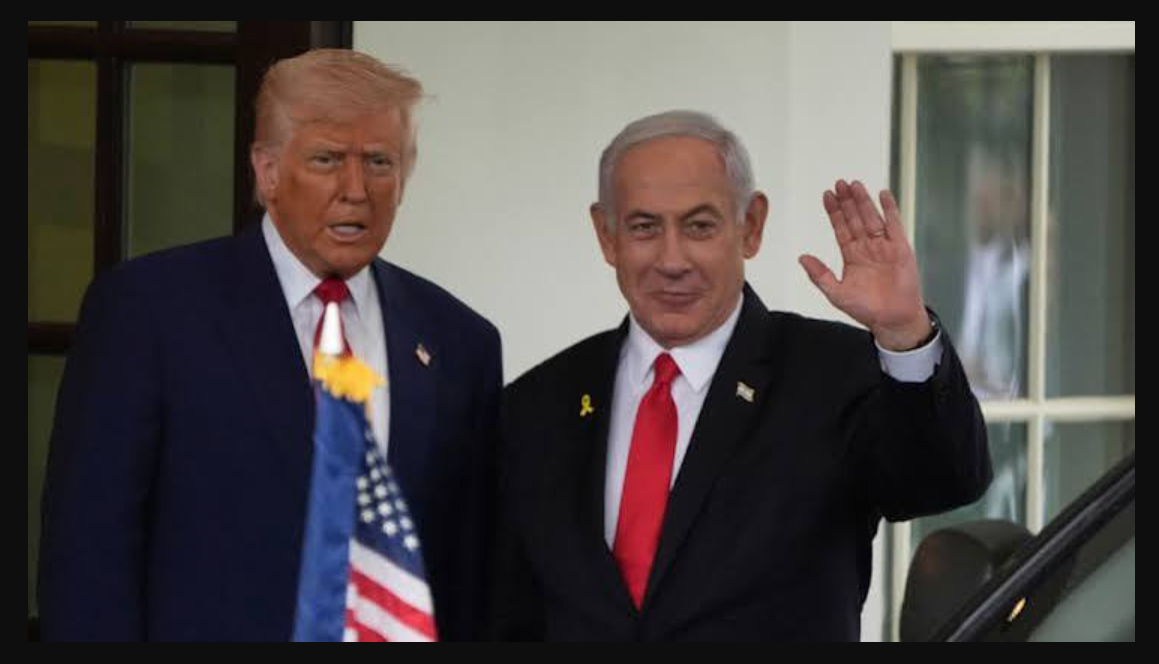

Israeli Prime Minister Benjamin Netanyahu has expressed willingness to negotiate a broad coalition government following last week’s parliamentary elections but insisted that he should lead the next administration.
In a statement published on social media platform X on Monday, Netanyahu said his Likud party wanted to establish a broad government with existing partners and other parties that opposed terrorism.
He added that he was open to dialogue with political groups interested in joining the proposed coalition. However, Netanyahu rejected any government dependent on the Arab parliamentary parties, Ra’am and the Joint List.
Netanyahu also claimed that voters had given him a mandate to remain prime minister because Likud emerged as the largest party.
Meanwhile, opposition leaders Naftali Bennett, Yair Golan and Avigdor Lieberman have agreed to recommend Gadi Eisenkot for the premiership.
Their support gives Eisenkot backing from 48 lawmakers. The two Arab parliamentary lists are also expected to support him, potentially increasing his backing to 67 members in the 120-seat Knesset.
Netanyahu’s bloc secured 53 seats, while opposition parties won 48 and Arab parties obtained 19.
President Isaac Herzog will begin consultations with parliamentary factions on Wednesday before selecting a candidate to form the next government. However, coalition negotiations remain complicated by disagreements over potential political partnerships.

