

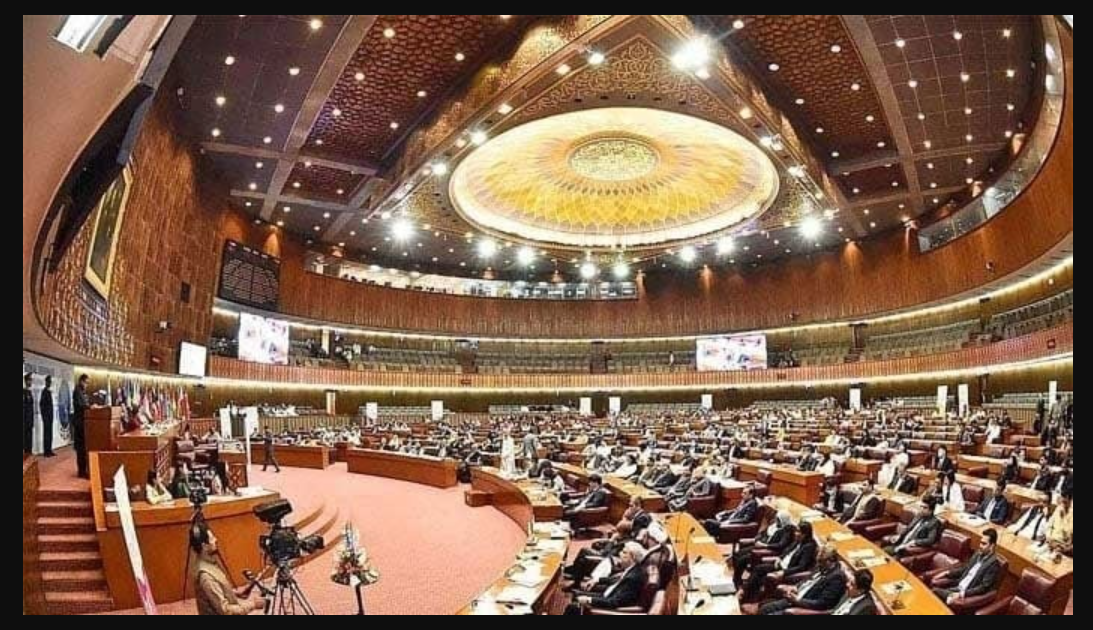

Pakistan’s National Assembly has gone off-air on YouTube, triggering debate over transparency and parliamentary access. The official channel has remained unavailable for several days. As a result, live broadcasts of National Assembly proceedings have not appeared online. Moreover, the sessions have also not aired on state television during this period.
Previously, parliamentary proceedings were streamed live through the Assembly’s official YouTube platform. However, visitors now find the channel missing or inaccessible. Consequently, citizens have been unable to follow legislative debates in real time. This sudden absence has raised questions about accountability and openness.
Opposition Raises Censorship Allegations
Opposition lawmakers have accused the government of deliberately blocking National Assembly coverage. According to them, the blackout prevents public scrutiny of parliamentary discussions. They argue that halting broadcasts undermines democratic norms. Furthermore, opposition figures claim the timing is suspicious.
In contrast, National Assembly officials have denied any political motive. They insist the channel went offline due to a technical fault. Officials say efforts are underway to restore digital streaming services. However, no timeline for restoration has been shared so far.
Proceedings Continue Despite Broadcast Blackout
The disruption coincided with an important joint session of parliament. President Asif Ali Zardari had summoned the sitting on Friday. During the session, lawmakers reconsidered legislation earlier returned by the president without signature.
The joint session passed three major bills through a majority vote. These included the National Commission for Human Rights Amendment Bill, 2025. Additionally, lawmakers approved the Daanish Schools Authority Bill, 2025. The Domestic Violence (Prevention and Protection) Bill, 2025 was also passed.
President Zardari had returned these bills last month despite earlier approval by both houses. However, constitutional provisions allow parliament to pass such legislation again. Once passed in a joint sitting, the bills no longer require presidential assent.
Transparency Under Scrutiny
The absence of live coverage during key legislative activity has fueled public concern. Citizens and civil society groups stress the importance of open access to parliamentary proceedings. Digital platforms remain a primary source of political information for many Pakistanis.
Meanwhile, officials continue to maintain that the outage is technical. Still, the lack of visible progress has intensified skepticism. Until broadcasts resume, questions around transparency and governance are likely to persist.
