
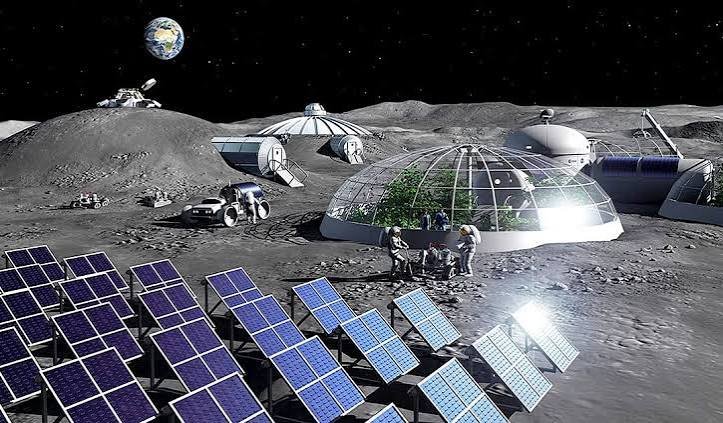

NASA has unveiled an ambitious $20 billion plan to establish a permanent human presence on the Moon. The project could allow astronauts to live and work on the lunar surface for extended periods starting in 2032.
The US space agency aims to build the base near the Moon’s South Pole. The location could provide access to water ice and other resources needed for future space missions.
NASA Administrator Jared Isaacman announced the project in March 2026. The agency plans to invest approximately $20 billion over seven years, working with private companies and international partners.
The project will develop in three major phases. During the first phase, which runs through 2029, NASA will send robotic landers, vehicles, and scientific equipment to explore the lunar surface.
Between 2029 and 2032, the agency plans to establish essential infrastructure. This includes power systems, communication networks, transportation facilities, and early living spaces.
The third phase will begin in 2032. NASA hopes to assemble permanent habitats where astronauts can conduct research and remain for longer periods.
Nuclear power systems could provide electricity during the Moon’s long nights. Pressurized vehicles would allow astronauts to explore areas beyond their living quarters.
NASA has also expanded partnerships with private space companies. On November 7, the agency announced new contracts supporting robotic exploration, cargo deliveries, and lunar infrastructure.
The plans include a nuclear-powered rover named PROMISE, which will investigate resources near the lunar South Pole.
However, building a lunar settlement presents major challenges. Astronauts must overcome extreme temperatures, radiation exposure, limited resources, and difficult transportation conditions.
NASA views the project as an important step toward future human missions to Mars.
Although 2032 marks the planned start of the long-term habitation phase, the agency has not guaranteed that a fully operational lunar settlement will exist by that date.

