

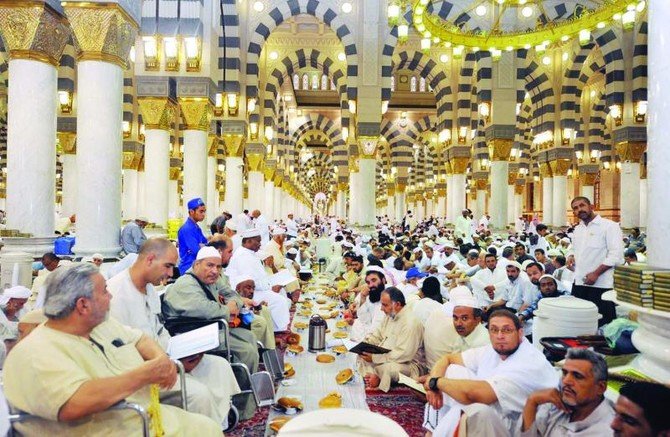

The holy month of Ramadan has commenced worldwide, with millions of Muslims observing daily fasts from dawn to dusk for the next 29 or 30 days. Depending on their location, fasting hours will range from 12 to 16 hours, as Muslims refrain from eating, drinking, and other physical needs during daylight hours.
Ramadan starts 10 to 12 days earlier each year due to the Islamic lunar calendar, which follows the Hijri system with months lasting 29 or 30 days.
According to Al Jazeera, this cycle means Ramadan will occur twice in 2030 — first on January 5 and again on December 26 — a rare occurrence caused by the lunar year’s shorter length compared to the solar year.
Muslims in the Southern Hemisphere, such as those in Chile and New Zealand, will observe shorter fasts lasting around 13 hours, while those in northern regions like Iceland and Greenland will endure the longest fasts, exceeding 16 hours on the year’s longest days.
This year’s fasting hours will be slightly shorter for those in the Northern Hemisphere and will continue to decrease until 2031, when Ramadan coincides with the winter solstice, marking the shortest day of the year. After that, fasting hours will gradually increase again, peaking during the summer solstice. The opposite pattern will occur for Muslims in the Southern Hemisphere.
Longest Fasts (16 Hours):
- Nuuk, Greenland
- Reykjavik, Iceland
Shortest Fasts (13 Hours):
- Buenos Aires, Argentina
- Christchurch, New Zealand
- Kuala Lumpur, Malaysia
- Jakarta, Indonesia
- Mogadishu, Somalia
- Pakistan
Moderate Fasts (14 Hours):
- London, UK
- Berlin, Germany
- New York, US
- Paris, France
Despite the varying lengths, the spiritual significance of Ramadan remains the same across the globe — a time for self-reflection, devotion, and community.
