


Protests Erupt Due to Overcharging, Leading to Assaults on Electric Company Employees
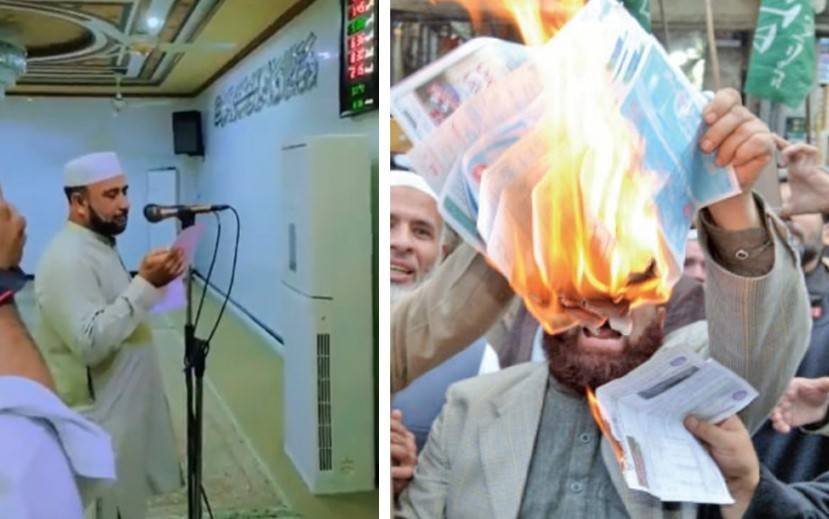
ISLAMABAD: As electricity bills surge and overcharging becomes more prevalent, a wave of protest has ignited within the population, driven by the skyrocketing cost of living. Viral videos of mosque announcements urging citizens to boycott bill payments further fuel the flames of discontent.
The cost of electricity has surged to Rs65 per unit, attributed to the standby agreement of the International Monetary Fund (IMF).
Additionally, the price of a liter of petrol has surpassed Rs290 and is likely to undergo further increases in the coming month.
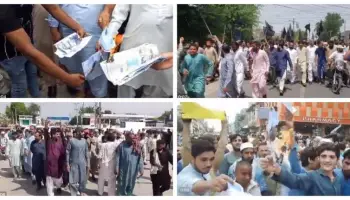
Protests, both organized and unorganized, have erupted across the country in response to the escalating cost of living, to the extent that the government is feeling immense pressure.
Citizens have taken a stand and are refusing to settle their bills.
Furthermore, low-wage workers have flooded the internet with videos expressing their frustration over exorbitant power bills.
Despite minimal usage, they bemoan having to pay multiples of their monthly earnings.
These videos have ignited widespread outrage and anger among the population.
In various regions, mosques have made announcements urging citizens to boycott electricity bill payments.
The interim government has thus far been unsuccessful in addressing the grievances of the protesting individuals.
Recent social media videos depict workers from electric companies being physically assaulted by irate residents.
The footage captures instances where workers attempting to disconnect power due to unpaid bills are subjected to punches, kicks, and even stone-throwing.
No More Perk Of Free Electricity For Government Employees
Meanwhile, secretary Power, Rashid Langrial, announced during a press briefing that government employees above Grade 17 would receive an allowance instead of free electricity.
He also disclosed that a formal proposal on this matter would likely be presented to the cabinet soon.
In addition, Langrial emphasized that Nepra, not the government, is responsible for determining tariffs.
