
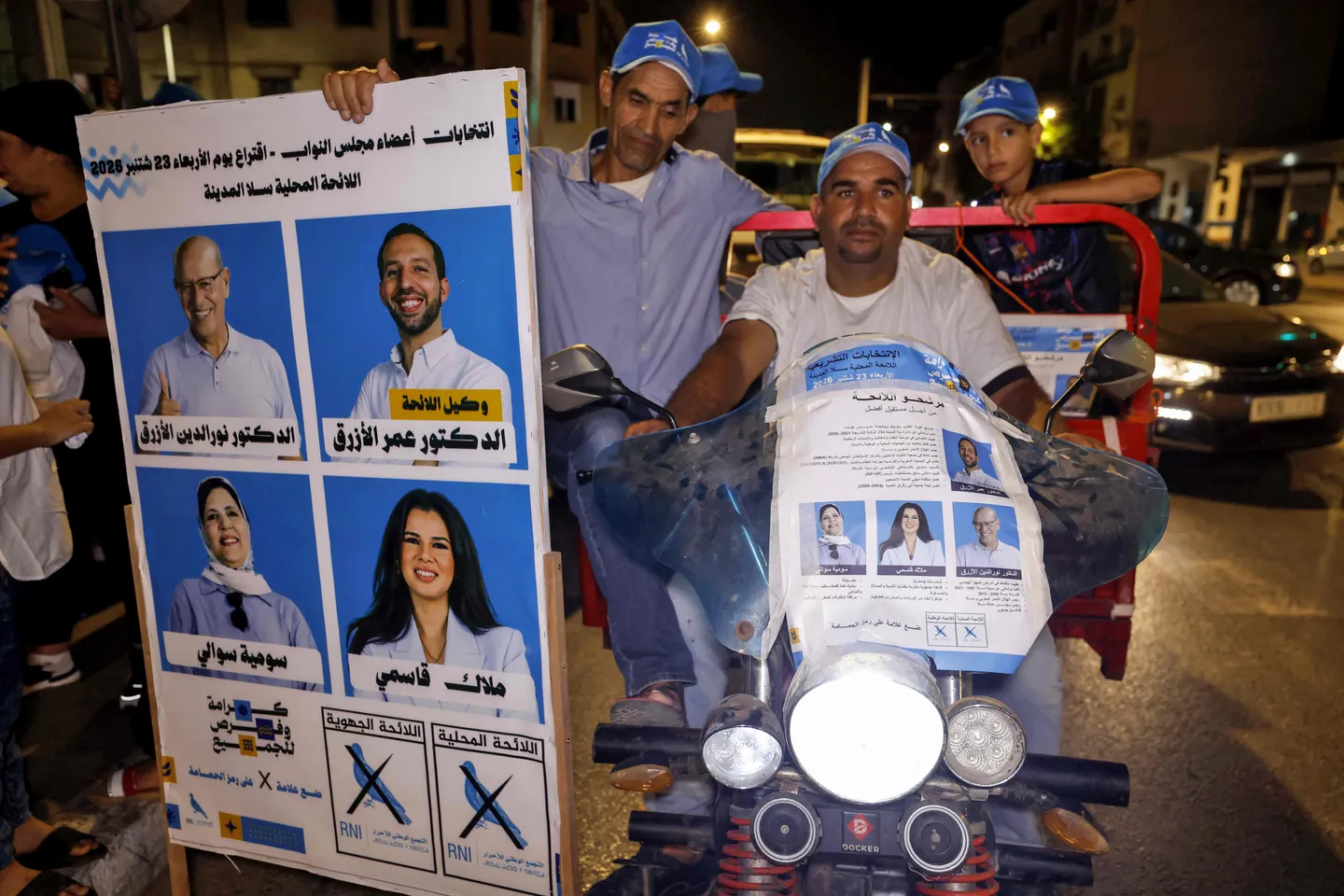

RABAT: Moroccans voted on Wednesday to elect a new parliament, with concerns over jobs, wages, education and healthcare shaping an election that will determine the composition of the country’s next government.
Polling stations opened at 8am and were scheduled to close at 7pm local time. Nearly 15.8 million registered voters are eligible to elect all 395 members of the House of Representatives.
Official figures show 7,288 candidates representing 28 political formations are contesting the election, with results expected on Thursday.
The vote comes nearly a year after youth-led protests highlighted dissatisfaction over employment opportunities, education, healthcare and living conditions.
Youth Participation Emerges as Key Election Issue
Despite Morocco’s economic growth and major investment projects, some young Moroccans say improvements have not sufficiently reached their daily lives.
Official figures show voters aged between 18 and 24 account for only 4% of registered voters. Meanwhile, analysts cited in the report expect relatively low turnout amid political scepticism.
Recent protests and an attempted mass crossing into the Spanish territory of Ceuta have added pressure on political parties.
Furthermore, the next government will oversee major infrastructure investments linked to Morocco’s preparations to co-host the 2030 FIFA World Cup while facing demands for more jobs and improved public services.
Coalition Negotiations Expected After Vote
Under Morocco’s constitution, the king appoints the head of government from the party winning the most parliamentary seats.
With no party expected to secure an outright majority, coalition negotiations are likely to play a major role in forming the government. The monarchy also retains broad authority over strategic affairs.
Meanwhile, Moroccans living abroad can vote constitutionally, but the country provides neither postal voting nor ballot boxes at consulates. Overseas voters generally must return to Morocco or authorise an eligible person to vote on their behalf.

