
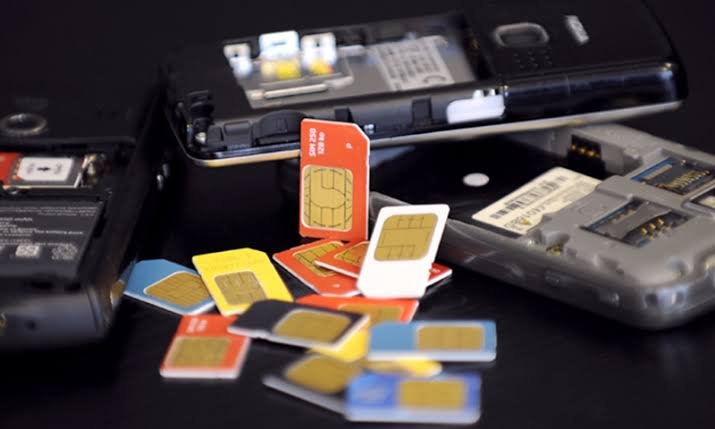

Mobile banking fraud is increasing across Pakistan as criminals exploit stolen customer information and unauthorized SIM cards to access bank accounts.
Sources within the National Cyber Crime Investigation Agency (NCCIA) reported a sharp rise in financial fraud complaints. These cases have reportedly surpassed online harassment complaints.
How Are Criminals Stealing Money From Bank Accounts?
According to NCCIA sources, organized criminal networks allegedly involve bank employees, telecommunications staff, and fraudsters.
Bank employees reportedly leak confidential customer information. Meanwhile, some telecom franchises allegedly issue duplicate SIM cards without authorization.
Criminals then use these SIM cards to receive one-time passwords (OTPs) and access mobile banking applications.
The victim’s original SIM stops working, often leaving them unaware of the theft.
Fraudsters quickly transfer stolen money through multiple accounts, making recovery difficult.
Government Orders Joint Investigation Into Banking Fraud
Following directions from the Senate Standing Committee on Interior, authorities plan to establish joint investigation teams.
Officials from the State Bank of Pakistan, NCCIA, and Pakistan Telecommunication Authority (PTA) will investigate the complaints.
The teams will examine alleged banking misconduct, unauthorized SIM issuance, and possible involvement of telecom franchises.
Sources also linked numerous complaints to transactions involving JazzCash and Easypaisa. However, these allegations do not establish wrongdoing by the platforms.
How Can Customers Protect Their Bank Accounts?
The rising fraud cases have raised concerns about digital banking security and customer data protection.
Users should never share passwords, PINs, or verification codes.
Customers whose SIM cards suddenly stop working should immediately contact their mobile operator and bank.
They should also enable transaction alerts and report suspicious activity promptly.
Authorities face growing pressure to strengthen digital security and prevent further financial losses.

