


NAB Law
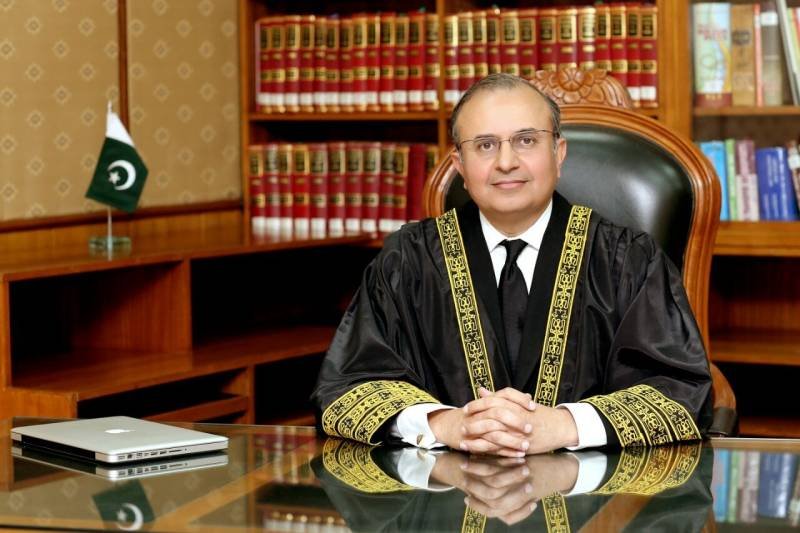
Justice Mansoor Ali Shah has issued a dissenting note in the National Accountability Bureau (NAB) amendment case, expressing his disagreement with the view that the amendments affect the fundamental rights of the citizens of Pakistan. This 27-page note was released over a month after the majority verdict had been announced.
In his dissenting note, Justice Shah addressed the petitioner in the case, Imran Khan, who had chosen not to resist the amendments in parliament but had instead challenged them in the court using its original jurisdiction under Article 184(3) of the Constitution.

Justice Shah emphasized that he does not see how the NAB amendments infringe upon fundamental rights such as the right to life, dignity, property, and equality.
Furthermore, he disagreed with the argument that the amendments take away the public’s right to hold their representatives accountable, as it could impact the economic well-being of the country. Justice Shah stated that the only way to hold elected representatives accountable is through elections, and this fundamental right remains unaffected.
The dissenting note also highlighted that criminal prosecution for corruption had been created by parliament under sub-constitutional laws, and if parliament can create such laws, it can amend them as well.
In September, a three-member bench had struck down the amendments to the NAB law in a 2-1 verdict, declaring them unconstitutional. This was the last judgment issued by Justice Umar Ata Bandial as chief justice, with Justice Ijaz ul Ahsan also in agreement.
The court not only declared the law unconstitutional but also ordered the reopening of all corruption cases that had been closed due to the amendment.
Justice Mansoor Ali Shah’s dissenting note provides a valuable counterpoint to the majority view, adding depth and nuance to the ongoing debate over the NAB amendments and their implications for fundamental rights and accountability in Pakistan.
