
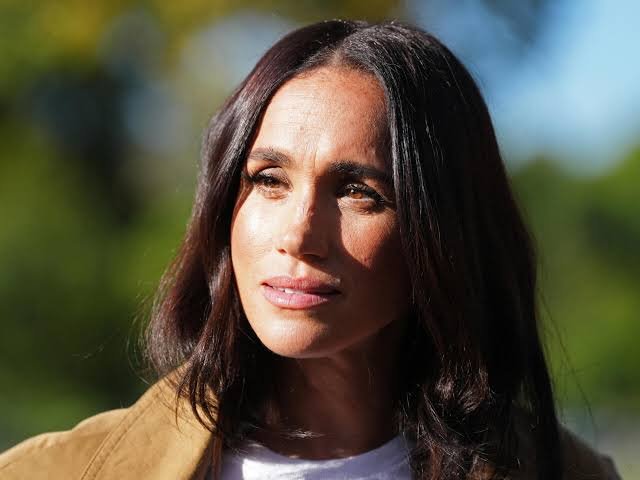

The calendar comes from Meghan’s lifestyle brand and features premium chocolates alongside an illustration of her home. The property, located in Montecito, California, is shared by Meghan and her husband, Prince Harry.
However, the illustration has drawn attention for reasons beyond its festive appearance. Critics have questioned whether the design relied on OpenAI technology, sparking wider discussions about the role of artificial intelligence in luxury products.
Why Is Meghan Markle’s Christmas Calendar Facing Criticism?
The controversy centres on the illustration included in the Christmas calendar. Critics have alleged that the artwork was generated using AI technology rather than created through traditional artistic methods.
The claims have raised questions about the creative choices behind products marketed as premium lifestyle offerings. Some critics argue that luxury brands should prioritise original artwork and professional craftsmanship.
Moreover, the discussion has highlighted growing concerns about AI-generated content replacing work traditionally undertaken by human artists.
Critics Question the Use of AI in Luxury Products
The debate has extended beyond Meghan’s Christmas calendar, bringing attention to the responsibilities of luxury brands. Critics believe businesses promoting creativity and craftsmanship should support professional artists.
They argue that using AI-generated artwork can undermine the value of original creative work. Furthermore, such practices could reduce opportunities for illustrators and designers who depend on commissioned projects.
The controversy has also raised questions about transparency. Consumers increasingly want to understand how brands develop their products and whether human artists contributed to their designs.
Graphic Designer Chris Kohler Expresses Disappointment
American graphic designer Chris Kohler has also voiced disappointment over the alleged use of AI in the calendar’s artwork.
His concerns reflect wider anxieties within the creative industry about the impact of artificial intelligence on professional artists.
Many creative professionals worry that businesses could increasingly turn to AI-generated designs instead of commissioning human talent. Consequently, this shift could affect artists’ income opportunities and professional livelihoods.
AI Debate Raises Questions About Creativity and Craftsmanship
Artificial intelligence has transformed several creative industries, including graphic design, illustration and digital content production. However, its growing presence has also created disagreements about originality and artistic ownership.
Some businesses view AI as a useful creative tool. Nevertheless, critics believe brands must consider its impact on human artists, particularly when selling expensive products associated with craftsmanship.
Meghan Markle’s $148 Christmas calendar has therefore become part of a much broader discussion. The controversy highlights the tension between emerging technology and traditional creative professions.
As AI-generated artwork becomes increasingly common, luxury brands may face greater scrutiny over their creative decisions. For consumers, the debate also raises an important question: should premium products reflect human craftsmanship, or can AI-generated designs deliver the same creative value?
For the latest updates, visit and follow The Truth International website (www.thetruthinternational.com) and subscribe to the YouTube Channel.

