

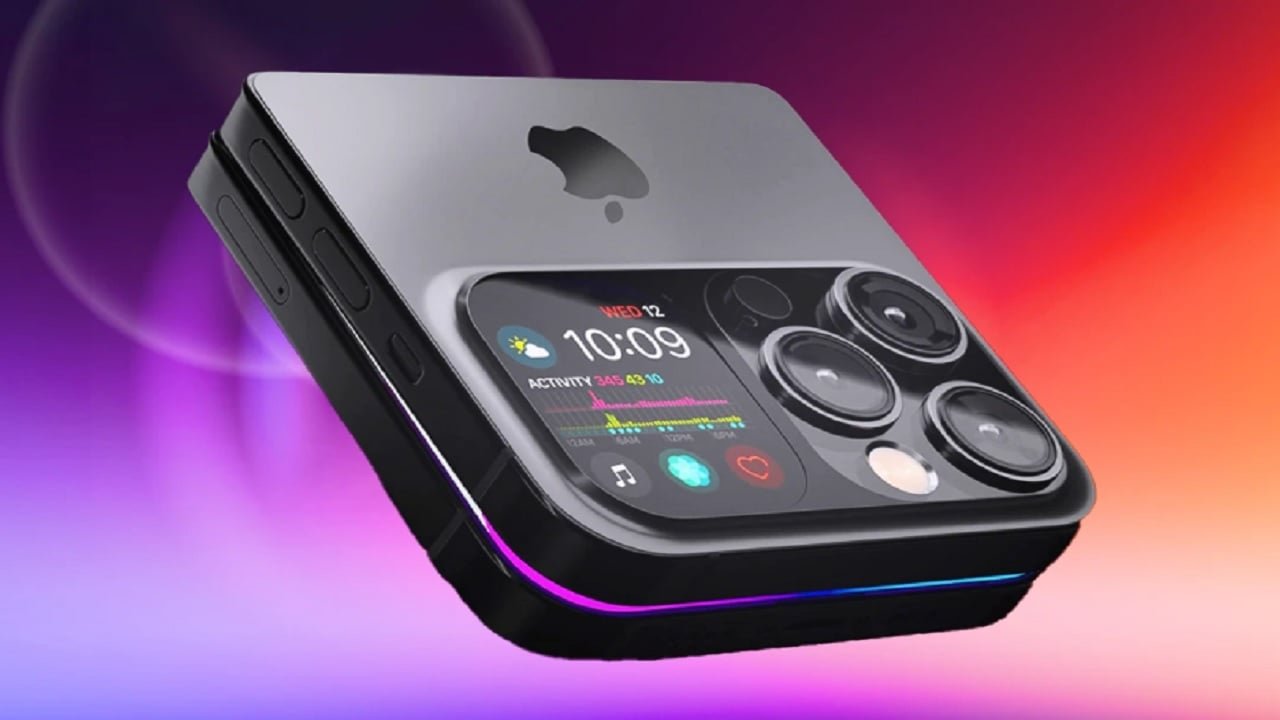

A major new leak has confirmed that Apple’s long-rumored foldable iPhone is now in its final development phase. After more than five years of internal testing and speculation, the tech giant has reportedly locked in the design and moved into the last stages of engineering and pre-production. If everything progresses smoothly, the first “iPhone Fold” could arrive by late 2026—marking Apple’s most significant hardware shift since the launch of the iPhone X.
Apple Finalizes Design After Years of Development
According to a fresh report from Economic Daily News, Apple has officially completed the experimental stage of its foldable device project. Supply chain insiders reveal that only minor adjustments remain before mass production begins. Trial production has already started, and suppliers have begun stockpiling components in anticipation of a large-scale manufacturing push.
The leak also indicates that the final hardware design was approved only recently, despite years of research and development. Apple’s foldable journey reportedly began over five years ago, but internal teams have now given the green light to proceed to the final phase.
Industry analysts expect strong demand for Apple’s entry into the foldable smartphone sector. Current projections suggest the company could ship between 7 to 9 million units in its first year. If these numbers hold, Apple could immediately capture 30% to 40% of the global foldable market, challenging leaders like Samsung, Huawei, and Motorola.
Why the Foldable iPhone Could Transform the Market
One of the biggest complaints about current foldable phones is the visible crease that runs along the hinge. Samsung, Google, and other brands continue to struggle with eliminating this flaw. However, insiders claim Apple may have solved the issue. Reports suggest the “iPhone Fold” could feature a smooth, crease-free flexible display—instantly setting a new standard for the category.
The device is also expected to adopt premium technologies seen in the upcoming iPhone 17 Pro series. These may include next-generation chip architectures, upgraded thermal management, and top-tier materials. Apple appears to be positioning the foldable iPhone as a flagship device rather than a niche experiment.
Behind the scenes, Apple is working with major partners such as Samsung for displays and TSMC for advanced processors. Specialized suppliers like Shin Zu Shing (hinge components) and Chi Hong (cooling systems) are preparing for a heavy production schedule as trial runs intensify.
For many industry watchers, this new foldable represents the biggest iPhone redesign since the introduction of Face ID. And one thing is clear: once Apple enters a product category, the entire industry shifts to keep up.
