

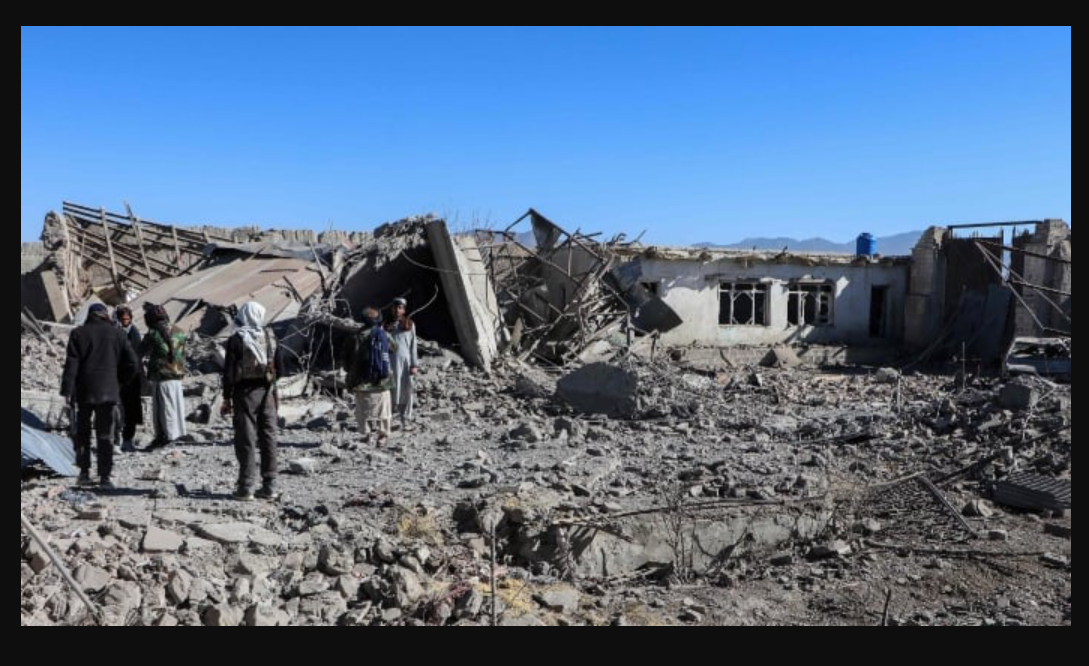

Pakistan’s armed forces carried out intelligence-based airstrikes along the Pakistan-Afghanistan border, killing more than 80 militants, according to official sources. The operation targeted seven camps allegedly linked to banned militant groups responsible for recent suicide attacks inside Pakistan.
Intelligence-Based Operation Targets Seven Camps
Authorities stated that the strikes focused on hideouts belonging to the Tehreek-i-Taliban Pakistan (TTP), referred to by the state as Fitna al Khawarij, and affiliated groups including Islamic State-Khorasan Province (ISKP). The targeted locations were situated in Afghanistan’s Nangarhar, Paktika, and Khost provinces.
Security officials confirmed that multiple facilities were destroyed during the overnight operation. Furthermore, they described the action as selective and intelligence-driven. According to officials, the strikes aimed to dismantle operational bases used to plan and launch attacks in Pakistan.
Retaliation After Recent Suicide Bombings
The operation followed a series of suicide bombings in Pakistan. These included attacks in Islamabad, Bajaur, and Bannu during the holy month of Ramazan. Authorities asserted that conclusive evidence linked these incidents to Afghanistan-based militant leadership.
Officials maintained that militant groups operating from Afghan territory had claimed responsibility for several attacks. Therefore, Pakistan described the cross-border action as a retributive response to protect national security.
Moreover, authorities emphasized that the safety of Pakistani citizens remains the highest priority. They reiterated that Pakistan seeks regional peace; however, it will not compromise on security.
Kabul Condemns the Strikes
The Afghan Taliban administration condemned the strikes, calling them a violation of sovereignty. Afghan officials stated that they would respond at an appropriate time. They also claimed civilian casualties resulted from the airstrikes.
However, Pakistani authorities rejected these allegations. They described such claims as misleading and intended to shield militant sanctuaries. Officials added that operational planning accounted for the presence of civilians. They insisted that measures were taken to minimize collateral damage.
Rising Tensions and Ongoing Security Concerns
Tensions between Pakistan and Afghanistan have escalated since the Afghan Taliban returned to power in 2021. Pakistan has repeatedly urged Afghan authorities to prevent militant groups from using Afghan soil for cross-border attacks. According to Pakistani officials, these concerns have not been adequately addressed.
Earlier this month, a vehicle-borne suicide attack in Bajaur killed 11 Pakistani soldiers and a young girl. Several others sustained injuries. Subsequently, another suicide attack in Bannu claimed the lives of two security personnel.
Pakistan’s military reiterated that operations against militant networks will continue. Officials warned that future attacks would invite decisive responses, regardless of location.
Regional Stability at Stake
The recent strikes highlight growing security challenges along the border. While Pakistan insists the action was limited and proportionate, Afghanistan views it as a breach of sovereignty. Consequently, diplomatic relations face renewed strain.
Observers note that sustainable regional stability requires coordinated counterterrorism efforts. However, mutual distrust continues to complicate bilateral engagement.
As tensions rise, both nations face mounting pressure to prevent further escalation. Meanwhile, Pakistan has made it clear that safeguarding its citizens remains non-negotiable.
