

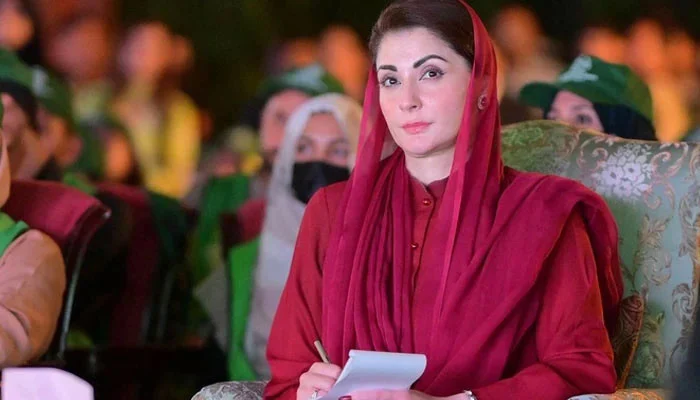

LAHORE: Punjab Chief Minister Maryam Nawaz Sharif on Tuesday voiced strong concern over the Lahore High Court’s decision to suspend the Punjab Protection of Ownership of Immovable Property Act, 2025, warning that the move would benefit encroachment and land-grabbing mafias. She said the suspension undermines efforts to protect ordinary citizens from powerful interests involved in illegal land occupation.
In a statement issued by the Chief Minister’s Office, Maryam responded to an interim order passed a day earlier by LHC Chief Justice Aalia Neelum, which halted the operation of the newly enacted law. The Act authorises dispute resolution committees, led by deputy commissioners, to decide land and property disputes within a fixed time frame.
Law sought a time-bound resolution of disputes
The ordinance, approved by the chief minister on October 31, mandates the resolution of land and property disputes within 90 days. Maryam said the legislation aimed to deliver long-awaited relief to millions of people whose cases had remained unresolved for years or even generations.
She said the Act marked a significant reform by introducing, for the first time, a legally binding 90-day timeline for land dispute resolution. According to her, the law represented a major step toward shielding citizens from influential land grabbers and organised mafias.
Maryam emphasised that the democratically elected Punjab Assembly passed the legislation to free the public from the control of powerful vested interests. She added that the law empowered citizens to protect their legally owned properties and land.
Concerns over judicial intervention
The chief minister described the legislation as evidence-based and comprehensive, stating that it addressed both administrative and legal aspects to ensure justice for oppressed segments of society. She argued that the LHC’s suspension of the law did not align with settled principles established by superior courts.
Maryam warned that halting the Act would directly benefit encroachers and land-grabbing mafias, creating a public perception of state patronage for such elements. She noted that land and property cases often remain stalled for decades due to repeated stay orders, denying rightful owners timely justice.
“This law was not enacted for my personal benefit,” she said, adding that its suspension would not affect her personally. Instead, she said, the real burden would fall on the poor, widows, and other marginalised citizens who had begun to see hope for relief.
LHC raises questions over scope of law
Maryam reiterated that legislation remains the constitutional right of the provincial assembly and should not face obstruction. She warned that suspending the law would shatter the fragile hope of justice among vulnerable communities.
During Monday’s hearing, however, Chief Justice Aalia Neelum expressed reservations about the law, observing that it appeared to concentrate excessive powers. She said the legislation undermined the civil justice system, civil rights, and judicial authority, questioning how a revenue officer could decide possession in matters pending before civil courts.
