
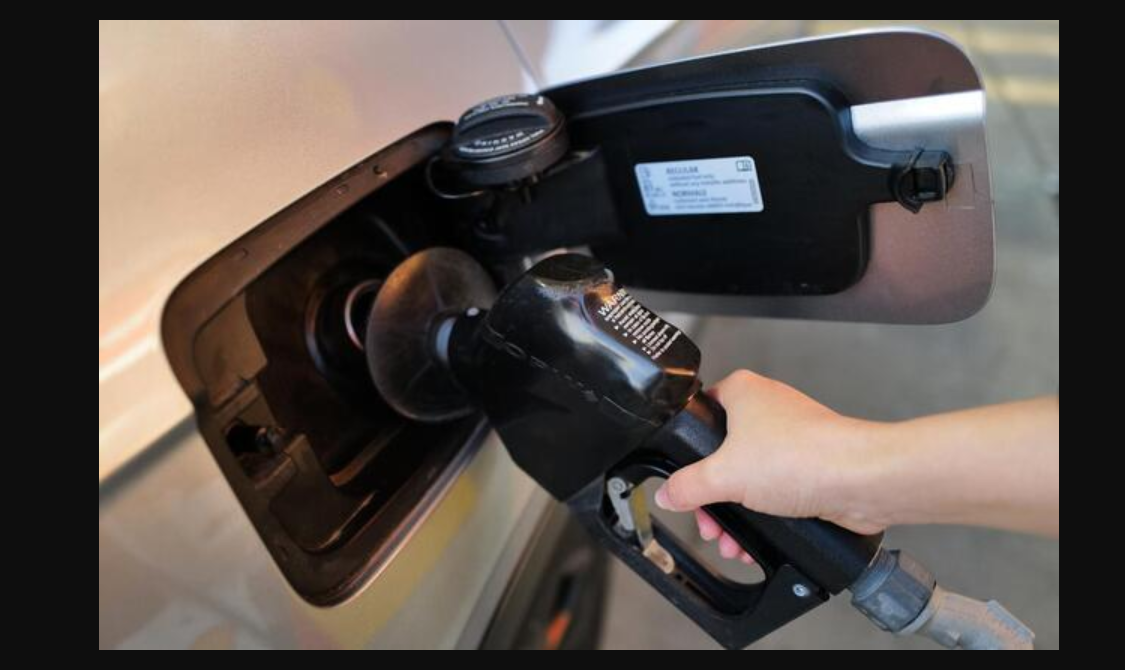

A clear majority of Americans blame President Donald Trump for rising gasoline prices. This trend is creating political pressure ahead of the upcoming midterm elections.
Moreover, the issue is increasingly shaping voter sentiment across party lines. Fuel costs have become a central concern for households nationwide.
Poll Shows Widespread Public Concern
According to a recent nationwide survey, 77% of registered voters say Trump bears responsibility for higher gas prices. The poll highlights broad agreement across political groups.
In addition, 55% of Republican voters share this view. Meanwhile, 82% of independents and 95% of Democrats also attribute blame to the president.
Therefore, the findings show a rare level of bipartisan concern over energy prices.
Conflict With Iran Drives Fuel Price Surge
The rise in gasoline prices followed escalating tensions linked to military action involving Iran and Israel. The conflict disrupted global oil supplies.
As a result, Tehran responded with strikes on regional energy infrastructure. These actions affected global oil trade flows significantly.
Consequently, roughly one-fifth of global oil movement faced disruption. This contributed to sharp increases in fuel prices.
Economic Impact on US Households
Gasoline prices in the United States have reached around $4 per gallon. This represents a significant increase compared to pre-conflict levels.
Moreover, the price surge is placing pressure on household budgets. Many voters report growing concerns over daily living costs.
Some 77% of respondents described fuel prices as a very big concern. Additionally, many expect further increases in the coming year.
Political Consequences Ahead of Elections
The rising cost of living is now influencing voter behaviour ahead of the November 3 midterm elections. Support for candidates aligned with Trump is under pressure.
Furthermore, 58% of voters say they are less likely to support candidates backing Trump’s Iran policy. This includes both independents and some Republican voters.
Therefore, the issue may significantly impact the Republican Party’s electoral performance.
Economic Messaging Challenges for Republicans
Political strategists say the situation is creating messaging difficulties for Republicans. Inflation and affordability remain key voter concerns.
“People are upset,” said a Republican strategist, highlighting growing voter frustration over costs.
In addition, analysts note that balancing foreign policy messaging with domestic economic concerns is becoming more difficult.
Inflation Remains a Major Concern
The poll also shows that 82% of Americans consider inflation a major issue. This reflects ongoing financial pressure on households.
Moreover, 70% of respondents disagree with claims that the economy is performing strongly. This indicates declining public confidence.
Although official messaging describes economic conditions positively, public perception remains cautious.
Shifting Political Landscape
The survey also highlights a narrowing gap in economic trust between major political parties. Republican advantage on economic issues has weakened.
Previously, Republicans held a strong lead in economic approval ratings. However, that advantage has now significantly declined.
Therefore, the economic debate remains central to political competition.
Conclusion
Rising gas prices and inflation concerns are reshaping public opinion in the United States. The majority of voters now link these challenges to President Trump’s policies.
Meanwhile, the issue is expected to play a major role in upcoming elections. Economic pressure continues to dominate voter priorities nationwide.

