
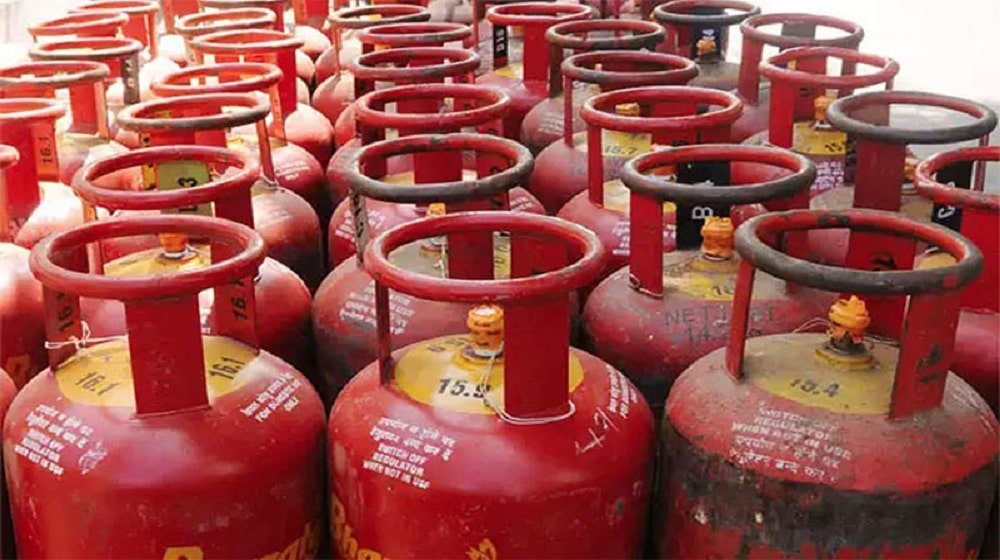

Liquefied petroleum gas (LPG) prices have fallen by Rs 30 to Rs 40 per kilogram across Pakistan over the past two days following the temporary resumption of supplies from Iran.
The decline has brought some relief to consumers who have faced steep fuel costs amid supply shortages. Moreover, LPG market representatives expect prices to fall by another Rs 30 per kilogram within the next two to three days if supplies continue reaching local markets.
However, industry officials have warned that the recent reduction may not prevent a shortage during the coming winter months.
Limited Supplies Reach Pakistani Markets
According to the LPG Distribution Association, authorities have allowed only those LPG tankers that were loaded at Iranian refineries and reached the Pakistan-Iran border before October 16 to enter the country.
The available quantity is estimated at 8,000 to 9,000 tonnes, which could meet Pakistan’s demand for approximately three days. Consequently, industry representatives believe the temporary resumption will provide only short-term relief unless regular imports resume.
Meanwhile, the arrival of fresh shipments has helped ease pressure on prices after a period of severe shortages. Nevertheless, continued supply disruptions could cause rates to rise again as winter demand increases.
Association Seeks Temporary Import Exemption
The All Pakistan LPG Distribution Association has urged the federal government to grant a six-month exemption from the Electronic Import Form requirement for LPG imports from Iran.
The association has also approached Prime Minister’s Adviser Haroon Akhtar, requesting the restoration of the previous import mechanism for six months. It argues that the measure would help stabilise supplies and meet rising household demand during winter.
Industry representatives have warned that LPG prices could reach Rs 1,000 per kilogram if Iranian supplies remain disrupted. They have also cautioned that domestic cylinder prices could exceed Rs 10,000 under severe shortage conditions.
LPG remains an essential cooking fuel for households without reliable natural gas connections. Therefore, maintaining consistent imports and distribution will be crucial to preventing further price increases.
For the latest updates, visit and follow The Truth International website (www.thetruthinternational.com) and subscribe to the YouTube Channel.