

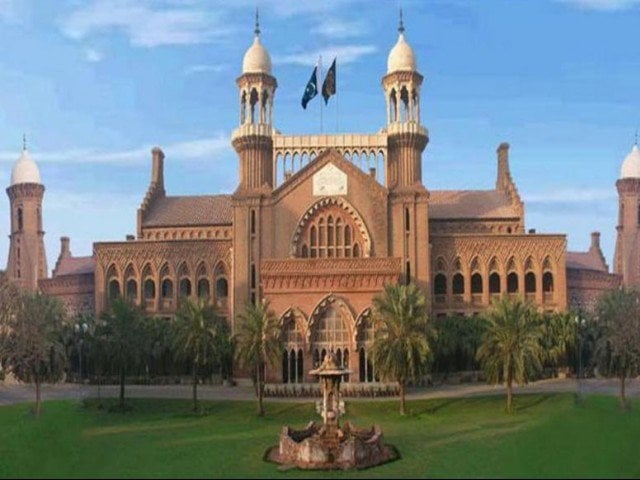

The Lahore High Court (LHC) on Friday ordered the return of land possession to a citizen while scrutinizing the legality of actions taken under the Property Ownership Act by district-level committees. The case highlighted concerns over whether deputy commissioners (DCs) and Dispute Resolution Committees (DRCs) exceeded their legal authority. Chief Justice Alia Neelam presided over the hearing after Muhammad Ali filed a petition challenging possession granted by a DRC committee. The citizen who had received possession via the DRC also appeared before the court.
During proceedings, the court directed the citizen to return possession immediately, emphasizing that legal discussion could follow afterward. Justice Neelam questioned the lawyer defending the citizen, asking, “How can you defend the wrong?” The lawyer acknowledged that the committees formed under DCs had acted beyond their powers. The chief justice stressed that proper authority must always be followed and noted that timely action by the patwari could have prevented the dispute.
The petitioner’s lawyer argued that when justice is delayed within the system, citizens are compelled to seek alternatives. Justice Neelam cautioned against emotional arguments, pointing out awareness of case backlogs and warning lawyers not to dramatize matters merely for headlines. The arguments revealed that landlords had occupied 40 acres of land in Deepalpur, while the DRC committees handed over possession within just 27 days. The chief justice questioned the authority behind these possession orders, confirming that the committee had issued them.
The court also examined the role of DCs, with one lawyer admitting that the DC’s decision was incorrect. Justice Neelam emphasized that DCs lacked legal authority to decide property ownership and clarified that decision-making power rests elsewhere under the law. When a request was made for a fresh hearing by the DC, the court rejected it, reiterating that ownership determination is beyond the DC’s jurisdiction.
Additionally, Justice Alia Neelam reviewed petitions filed by ten other citizens, including Muhammad Aslam, and referred all cases to a full bench for comprehensive review. The bench also sought records regarding the mandate and functioning of DRC committees. The petitioner’s lawyer informed the court that after the suspension of the ordinance, possession of one acre in Gujranwala was handed over on December 24. Justice Neelam warned that anyone taking possession after a court suspension order would face legal consequences.
This case underscores the need for adherence to legal authority in property disputes and raises critical questions about the role of DCs and DRC committees. The LHC’s decision reinforces proper legal procedure and emphasizes that possession orders issued without authority cannot stand.
