


Israel-Hamas Ceasefire
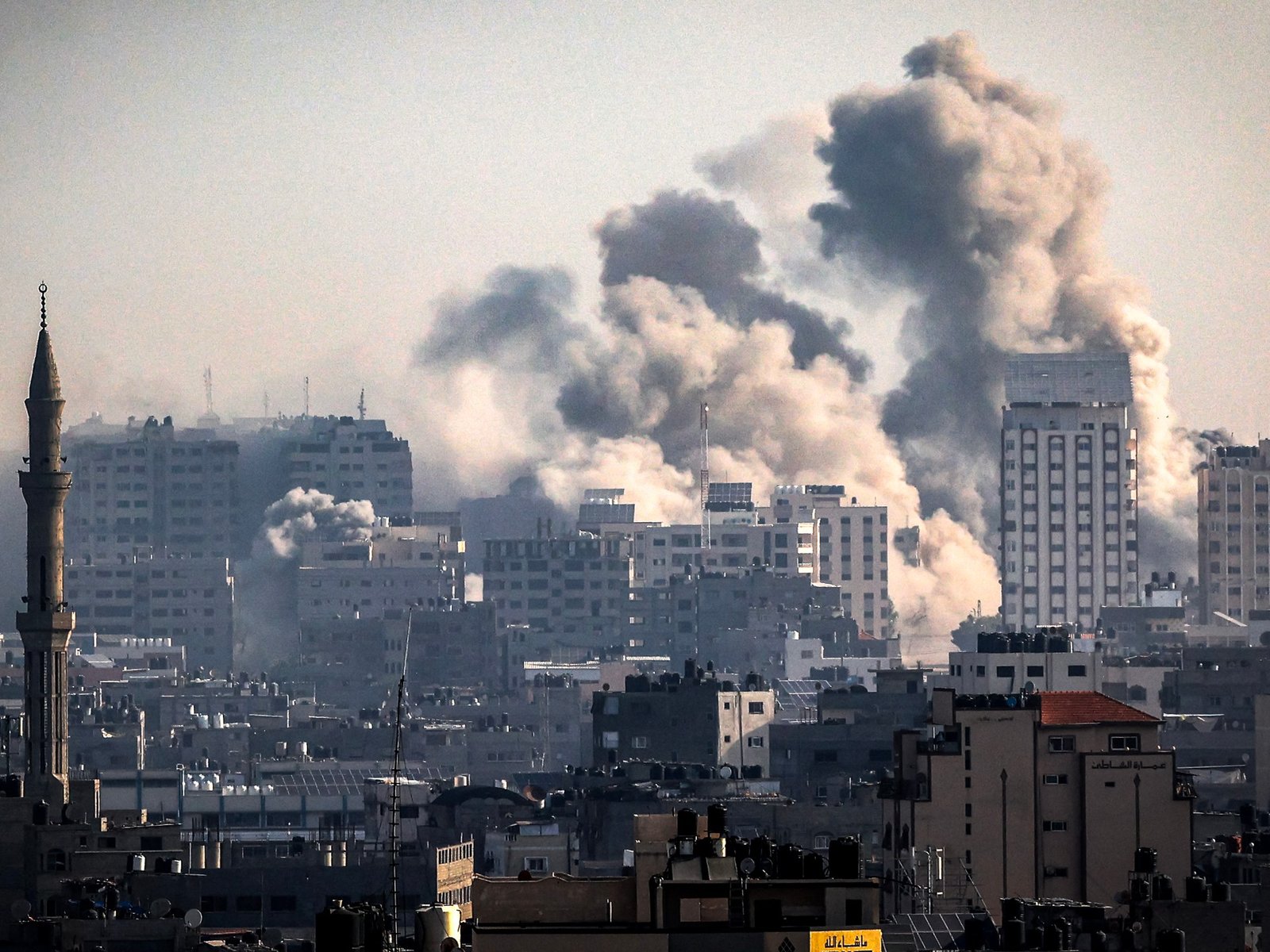
Amidst heightened tensions in Gaza, efforts to extend a week-old truce with Hamas collapsed, plunging the region into a second day of intense fighting. The expiration of the Israel-Hamas ceasefire deadline saw Eastern areas of Khan Younis in southern Gaza subjected to relentless bombardment, prompting residents to flee in search of safer locations.
The breakdown in negotiations centered around the daily release of hostages held by militants in exchange for Palestinians incarcerated in Israeli jails. Despite the ceasefire’s initial extension, mediators failed to formulate an agreement for continued releases.
Israel, which had linked the truce’s duration to the release of hostages, accused Hamas of refusing to release all female prisoners, deepening the deadlock.
International Response and Escalation Beyond Gaza
Humanitarian Crisis Deepens: As Israeli forces targeted more than 200 “terror targets” in Gaza, health officials reported a rising death toll of 184, with over 589 people wounded and more than 20 houses hit. The United Nations expressed grave concern over the deteriorating humanitarian situation, with spokesperson Jens Laerke describing Gaza as a “Hell on Earth.” The failure to extend the truce further worsens an already dire scenario for the residents.
Regional Impact and Accusations: Beyond Gaza, the conflict spilled into southern Lebanon, with reports of casualties and attacks on Israeli military positions by Hezbollah, a Hamas ally. The U.S. blamed Hamas for the renewed hostilities, emphasizing the group’s failure to produce a new list of hostages for release.
In response, Hamas accused Washington of complicity in Israel’s actions, alleging support for a “war of genocide and ethnic cleansing.” As international pressure mounts, diplomatic efforts are underway to restore the truce and address the escalating crisis.
