

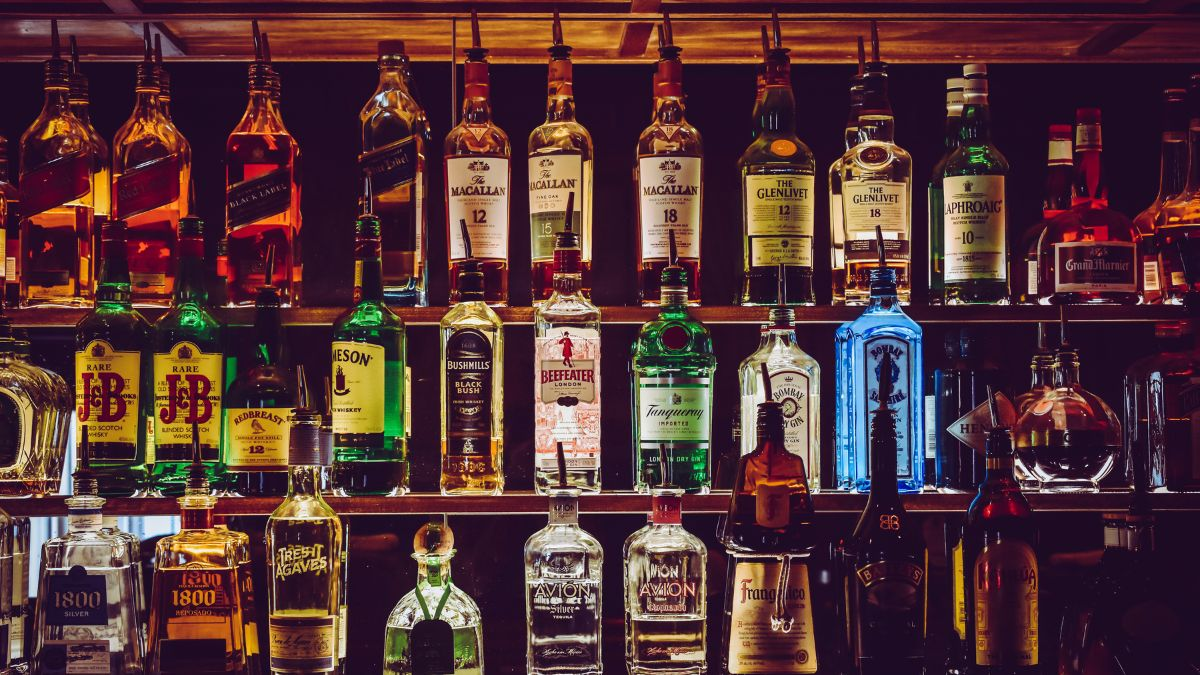

Saudi Arabia is set to inaugurate its inaugural alcohol retail outlet in the capital city of Riyadh, exclusively catering to non-Muslim diplomats, according to a reliable source and accompanying documentation unveiled on Wednesday.
Prospective customers must register via a mobile application, obtain a clearance code from the foreign ministry, and adhere to monthly purchasing limits, as outlined in the document.
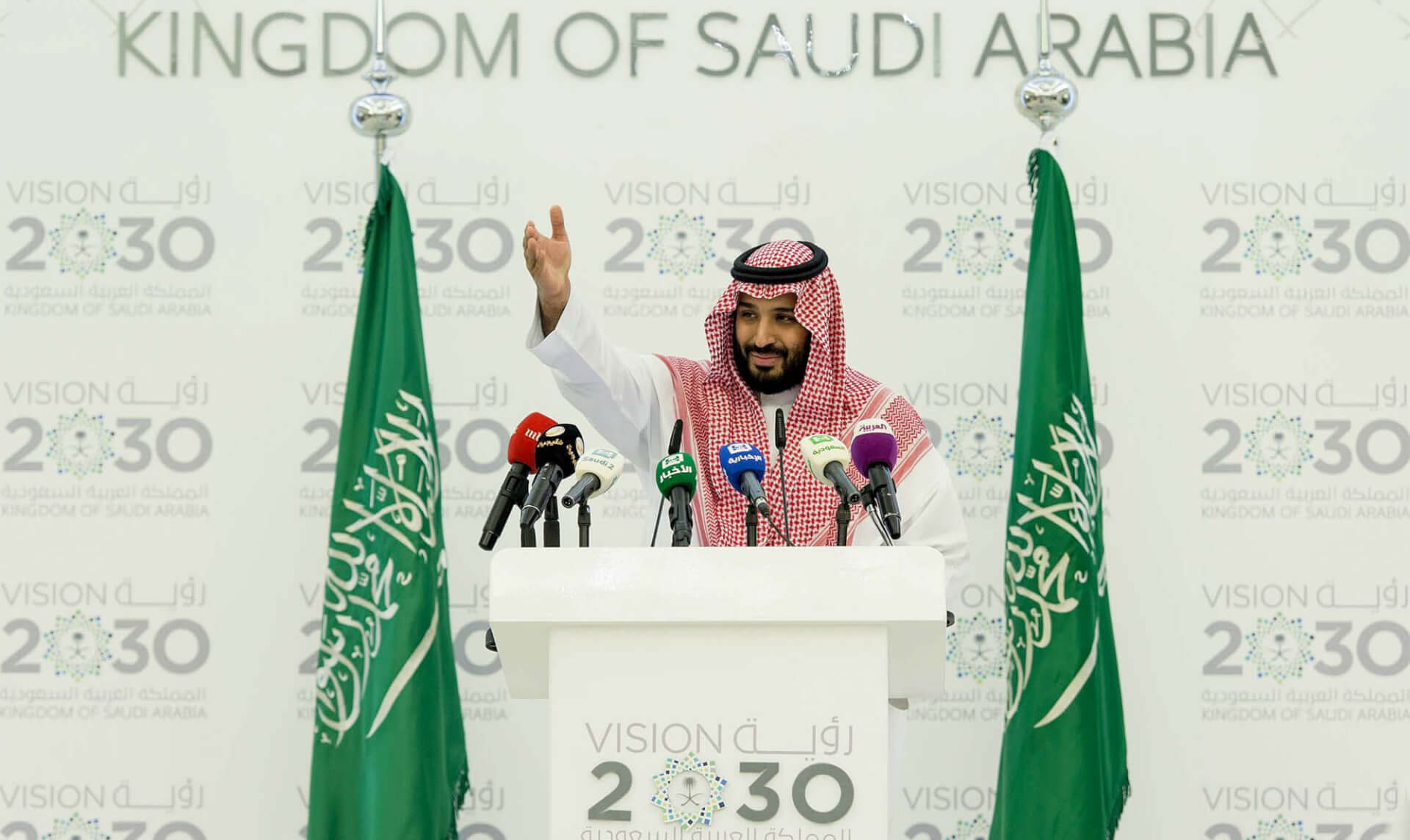
This landmark move reflects Saudi Crown Prince Mohammed bin Salman’s initiatives to promote tourism and business, aligning with the broader Vision 2030 plan to diversify the economy beyond oil, despite the prohibition of alcohol consumption in Islam.
The new store, situated in Riyadh’s Diplomatic Quarter, an area predominantly housing embassies and diplomats, is explicitly designated for non-Muslims, with strict access restrictions, as detailed in the document.
Whether other non-Muslim expatriates will be granted access remains unclear. While millions of expatriates reside in Saudi Arabia, the majority are Muslim workers from Asia and Egypt.
According to an insider, the store is anticipated to open in the upcoming weeks. Historically, Saudi Arabia has imposed stringent regulations against alcohol consumption, limiting access to diplomatic channels or the underground market.
The Saudi government has not provided an official comment on the matter. Recent reports suggest the imposition of new restrictions on alcohol imports within diplomatic consignments, potentially boosting demand for the forthcoming store.
The regulation aims to curtail imports to counter the “improper exchange of special goods and alcoholic beverages received by the embassies of non-Muslim countries inside Saudi Arabia”.
Saudi Arabia once notably closed off, has gradually eased strict social codes in recent years, including the segregation of men and women in public spaces and the mandatory wearing of all-covering black robes (abayas) for women.
Crown Prince Mohammed’s leadership has ushered in changes such as non-religious tourism, concerts, and women’s right to drive, alongside a crackdown on dissent and political opposition.
Vision 2030 encompasses objectives like developing local industries, establishing logistics hubs, and creating employment opportunities for Saudi nationals on a significant scale.
