

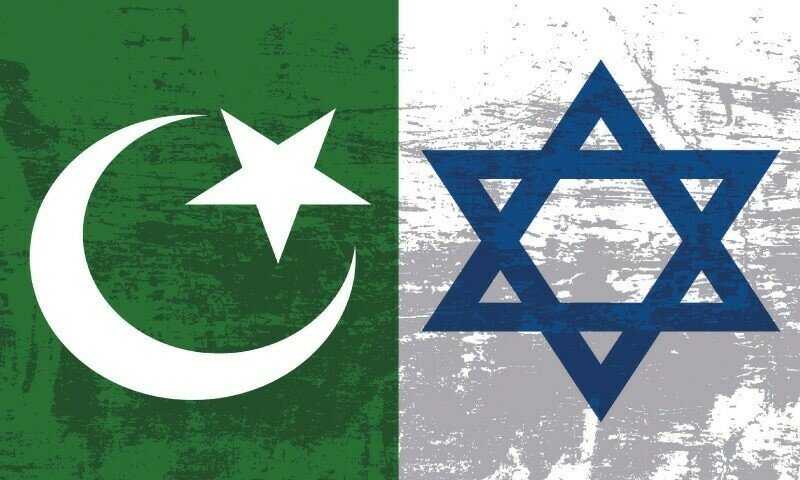

DALLAS, TEXAS — Pakistan’s Ambassador to the United States, Rizwan Saeed Sheikh, has firmly denied any pressure from Washington on Islamabad to recognise Israel, reaffirming that Pakistan’s foreign policy remains rooted in national interest and longstanding principles.
Speaking at a community gathering in Dallas, the ambassador stated:
“There is absolutely no pressure from the United States on Pakistan to recognise Israel.”
He emphasized that Pakistan’s policy remains consistent, reflecting the country’s independent foreign policy priorities and the vision of its founding father, Quaid-e-Azam Muhammad Ali Jinnah, who was a staunch advocate for the rights of the Palestinian people.
The statement comes amid ongoing geopolitical shifts in the Middle East, particularly following the Abraham Accords, under which several Arab nations have normalised relations with Israel. Despite these changes, Pakistan has repeatedly asserted that its position on Israel is tied to a just resolution of the Palestinian issue.
Ambassador Sheikh also discussed the broader context of Pakistan-U.S. relations, expressing optimism about the future of bilateral ties.
“We are witnessing a positive trajectory in Pak-U.S. relations,” he said, noting expanding cooperation in various sectors, including technology and trade.
On the economic front, the ambassador highlighted Pakistan’s potential in emerging technologies, particularly cryptocurrency and blockchain. With surplus electricity available in parts of the country, he encouraged Pakistani-Americans to consider investment in digital finance and innovation.
“Pakistan has the resources to power new technologies. We welcome innovation and investment from the diaspora,” he said.
Reiterating Pakistan’s commitment to peace and regional stability, Ambassador Sheikh made it clear that the country would never compromise on its national security or sovereignty.
During his visit, the ambassador also engaged with members of the Pakistani-American community, urging them to take a more active role in strengthening bilateral ties and representing Pakistan’s interests in the U.S.
