

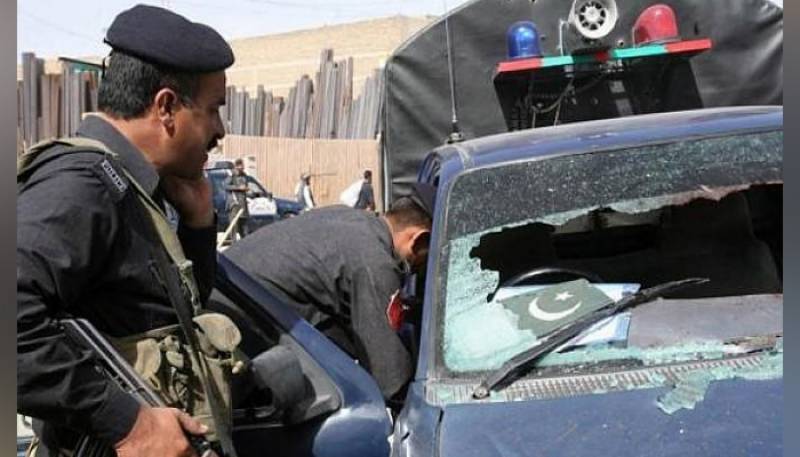

Terrorist Confrontation
In a remarkable display of solidarity and courage, citizens of Lakki Marwat rushed to the aid of police officials during a tense confrontation with a group of terrorists on Saturday. The incident unfolded when police personnel stationed at the Ahmedzai checkpost identified seven or eight terrorists moving through the area, suggesting a potential terror threat.
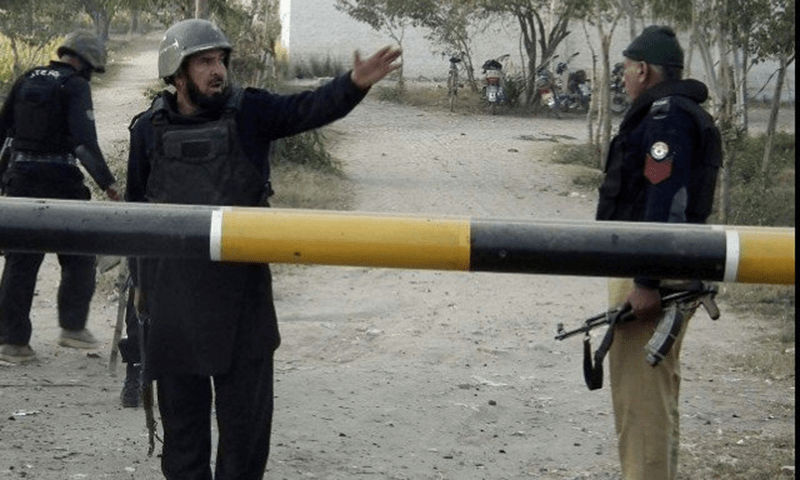
Swiftly responding to the situation, the police, equipped with the latest surveillance technology, engaged the terrorists in a standoff. Recognizing the gravity of the situation, local residents spontaneously mobilized to support the law enforcement efforts. The joint collaboration between the police and the citizens proved instrumental in repelling the terrorists. Through their combined efforts, the threat was neutralized, and the terrorists were prevented from carrying out any destructive actions. Importantly, no loss of life was reported, underscoring the effectiveness of the collective response.
This incident highlights the resilience and unity of the Lakki Marwat community in the face of adversity. The swift and coordinated action taken by both law enforcement and citizens exemplifies the shared commitment to maintaining peace and security in the region.
Such instances of community-driven support bolster the overall security apparatus and serve as a testament to the strength derived from collective efforts in countering terrorism. Overall, Lakki Marwat citizens rally to aid police in successful terrorist confrontation, showcasing community solidarity and resilience on Saturday.
A Strategic Blueprint for a Coherent and Resilient Energy Plan
Meanwhile,
The recent across-the-board increase in gas prices in Pakistan is poised to have far-reaching consequences, notably on the country’s energy consumption dynamics.
While the hike is seen as a step toward addressing the gas circular deficit, it inadvertently impacts electricity prices nationwide. This shift in pricing, especially for industrial units, is expected to escalate electricity costs, placing an additional burden on households and small businesses unable to transition to gas-fired power generation.
The absence of a cohesive energy policy becomes glaringly evident, highlighting the urgency for decisions grounded in comprehensive evaluations rather than arbitrary adjustments influenced by interest groups.
