

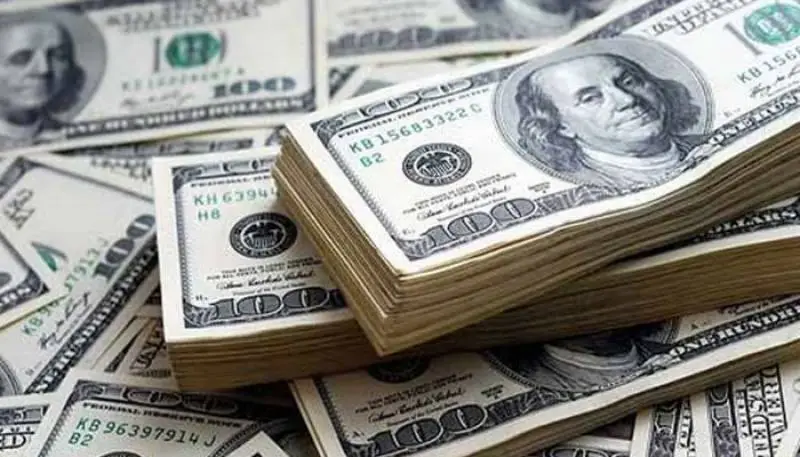

De-Dollarization
On January 1, 2024, Iraq will implement a significant policy change, prohibiting cash withdrawals and transactions in US dollars. This move aims to curb financial crimes and circumvent US sanctions on Iran, as revealed by a high-ranking official from the Iraqi Central Bank (CBI), Mazen Ahmed, the director-general of investment and remittances at CBI.
The primary objective behind this measure is to combat the illicit use of approximately 50% of the $10 billion that Iraq imports in cash annually from the New York Federal Reserve.

Additionally, it aligns with broader efforts to reduce reliance on the US dollar in an economy that has favored it over the local currency since the 2003 US invasion due to regional instability.
Individuals who deposit dollars into banks before the end of 2023 will retain the ability to withdraw funds in dollars in 2024. However, funds deposited in 2024 will only be available for withdrawal in the local currency at the official exchange rate of 1,320 Iraqi dinars per dollar, significantly lower than the parallel market rate of 1,560 dinars per dollar, representing a roughly 15% difference.
Ahmed emphasized that individuals can still conduct electronic transactions in dollars within Iraq at the official exchange rate, but cash dollar withdrawals will be phased out.
Iraq has already established a system to regulate wire transfers in cooperation with US authorities, effectively preventing fraudulent transactions benefiting Iran and Syria, countries subject to US sanctions.
However, the issue of dollar shortages and a burgeoning parallel market exchange rate persists. Many local banks have already limited dollar cash withdrawals in response to increased demand.
As these measures take effect, the dinar may experience further devaluation. Nonetheless, Ahmed believes that de-dollarization is a necessary step toward formalizing the financial system and combating illegitimate transactions.
