


Illegal Afghans
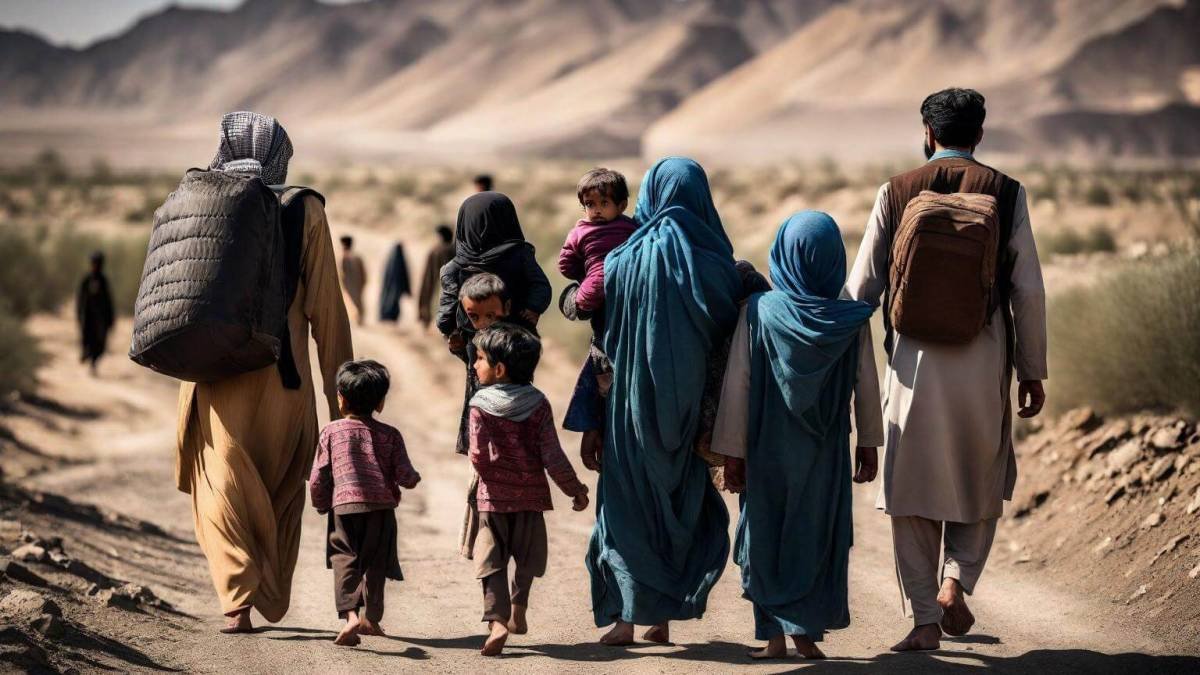
The repatriation of Afghans residing illegally in Pakistan is intensifying, spurred by both government enforcement measures and a surge in self-deportation driven by apprehensions of arrest. Even prior to the government’s official announcement, a considerable number of undocumented Afghans had initiated their return to Afghanistan out of fear of potential arrest.
On December 13 alone, a staggering 2,423 Afghans, comprising 687 men, 326 women, and 1,410 children, crossed the border into Afghanistan. This brought the total number of returnees to 429,288 since the repatriation process commenced. Although the government recently launched the repatriation effort officially, many undocumented Afghans have been proactively leaving Pakistan in recent months to preemptively avoid potential arrest.
This self-deportation trend is fueled by uncertainties regarding legal status and concerns about detention amid intensified crackdowns on undocumented residents. On December 13, 235 families, utilizing 114 vehicles, departed, underscoring the scale of the movement. This trend raises apprehensions about Afghanistan’s capacity to absorb such a substantial influx, particularly given its ongoing humanitarian crisis.
Official records indicate that on December 12, an additional 2,023 Afghan nationals voluntarily returned to Afghanistan. This included 536 men, 412 women, and 175 children in various Afghan cities. The repatriation process involved 93 vehicles transporting 182 families. On Wednesday, the caretaker federal cabinet extended the stay period for Afghan nationals in Pakistan evacuating to third countries from the initial deadline of December 31 to February 29, 2024. However, those remaining beyond this date will face a monthly fine of $100, capped at a maximum of $800.
Caretaker Information Minister Murtaza Solangi emphasized that the cabinet also approved a reduction in the processing fee for Afghan nationals being evacuated to third countries, halving it from the initial $800 to $400.
The caretaker government aims to incentivize Afghan nationals residing illegally in Pakistan to either obtain legal documentation or promptly finalize evacuation agreements. The reasons for Afghans’ presence in Pakistan are diverse, ranging from those who fled during the Soviet-Afghan War decades ago to those seeking refuge more recently due to the Taliban’s 2021 takeover. The complex history and intertwined lives of the two countries add layers of complexity to the repatriation process.
While the Pakistani government underscores security concerns as the impetus for deportations, acknowledging the human cost of the operation remains crucial. Ensuring safe and dignified returns for the vulnerable families involved is essential. Furthermore, international cooperation and support are critical to helping Afghanistan absorb the returning population and averting further humanitarian hardships.
The ongoing exodus of undocumented Afghans from Pakistan represents a significant chapter in the enduring and complex history between the two nations. As this process unfolds, prioritizing humane treatment, upholding human rights, and addressing long-term challenges for both countries will be imperative.
