



Tragically, at least four members of a family were reportedly killed in Khyber Pakhtunkhwa’s Dera Ismail Khan due to a family dispute on Tuesday, as per the police.
The incident unfolded when a husband killed his wife in the city, prompting the victim’s brother to seek revenge by allegedly killing his sister’s mother-in-law, father-in-law, and sister-in-law.
The crime scene in the Rehmani Khel area, falling under the jurisdiction of the Paniala Police Station, saw a heavy police presence. The police revealed that the murdered woman was pregnant, and the alleged perpetrator, identified as Toofan, was reportedly wanted in various cases and was currently on the run.
“A first information report will be registered after a post-mortem examination of the bodies,” stated DSP Kashif Sattar.
To apprehend the suspects, the police claimed to have established checkpoints at different locations. This incident follows another tragic event where a girl was allegedly killed based on a local jirga’s order because she appeared in a picture on social media in the Kohistan district. However, according to DSP Mukhtiar Ahmed, the victim was killed on the orders of her own family.
Peshawar High Court Chief Justice Admits Corruption in Police Recruitment
Meanwhile, Chief Justice Muhammad Ibrahim of the Peshawar High Court acknowledged that police officials were being recruited through bribery. He revealed that even at his own residence, four out of five personnel have been hired through corrupt practices.
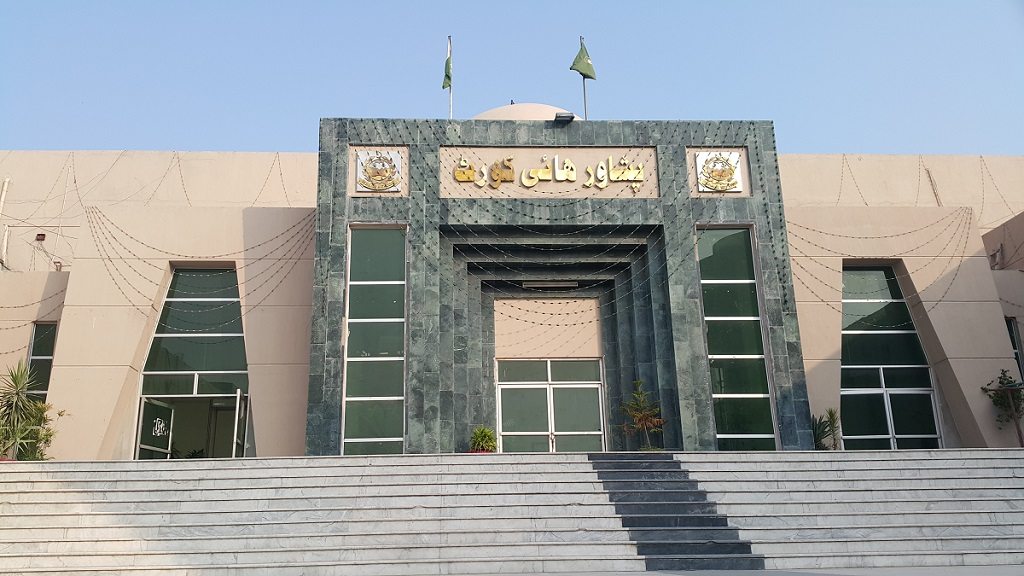
The chief justice made these remarks during the hearing of a case involving violence by the superintendent of police (training) against a retired sub-inspector. Chief Justice Ibrahim, leading a two-member bench, questioned the SI about the nature of the dispute between the two officials. The sub-inspector replied that the superintendent of police had assaulted him because he possessed evidence of corruption and bribery in the recruitment process.
Acknowledging the prevalence of bribery in police recruitment, the chief justice noted that it was indeed true that officers were being hired based on bribes. He went on to disclose that even in his own residence, the majority of the personnel—four out of five—had secured their positions through illicit means.
In a somewhat sardonic tone, Chief Justice Ibrahim suggested that had the superintendent of police shared a portion of the bribes with the sub-inspector, the altercation might have been avoided.
The court granted both parties the opportunity to reconcile mutually, warning that if an agreement was not reached, the court would proceed to decide the matter.
