


Crimes Against Humanity
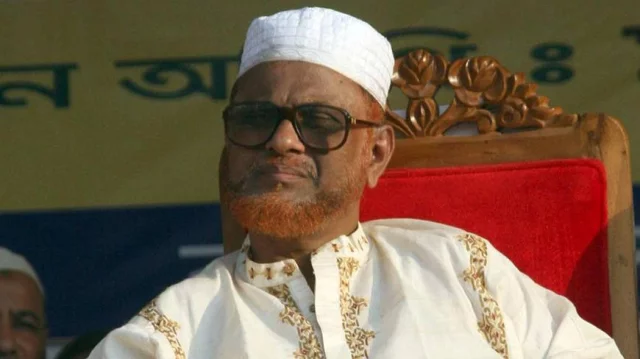
Bangladesh’s highest court on Tuesday overturned the conviction of a prominent leader of Jamaat-e-Islami (JI), the country’s main right-wing party, who had been on death row. A.T.M. Azharul Islam, who has been in custody since 2012, was acquitted of crimes against humanity by the Supreme Court, which also ordered his immediate release.
Islam, born in 1952, was among six senior political figures convicted during the administration of Sheikh Hasina, whose 15-year tenure as prime minister ended abruptly last year following a student-led uprising that forced her into exile.
Islam’s case has been closely watched as Bangladesh prepares for highly anticipated elections that the interim government has pledged to hold by June 2026.
His lawyer, Shishir Monir, described Islam as “fortunate” because unlike the other five senior political leaders convicted alongside him—four from Jamaat-e-Islami and one from the Bangladesh National Party (BNP)—he was still alive. The others have already been executed. Monir criticized the appellate division for failing to properly review the evidence in other war crimes cases.
Islam was originally sentenced to death in 2014 for charges including rape, murder, and genocide related to atrocities committed during Bangladesh’s 1971 war of independence from Pakistan.
During Sheikh Hasina’s rule, Jamaat-e-Islami was banned, and many of its leaders were prosecuted in connection to their roles during the war. Hasina herself is the daughter of Sheikh Mujibur Rahman, Bangladesh’s founding father, who had been a fierce opponent of Jamaat.
After Hasina fled to India last year amid violent protests and political turmoil, her Awami League party was also banned. Hasina remains in self-imposed exile, refusing to return to Bangladesh despite an extradition request related to a deadly crackdown that killed at least 1,400 protesters during her final attempt to maintain power.
Following the change in government, Islam renewed his appeal, which culminated in the Supreme Court’s full bench, led by Chief Justice Syed Refaat Ahmed, acquitting him on Tuesday.
Jamaat-e-Islami supporters celebrated the decision, with party leader Shafiqur Rahman calling the executed leaders “victims of judicial killings” and asserting that they could have helped lead the country in a positive direction had they survived.
Despite the jubilation, Rahman acknowledged the party’s controversial history, stating, “We, as individuals or as a party, are not beyond making mistakes.” He did not elaborate further but asked the public for forgiveness if any wrongdoing had occurred.
As political factions in Bangladesh jostle for power amid a volatile landscape, the acquittal of Azharul Islam marks a significant and contentious moment in the country’s ongoing reckoning with its past and its political future.
