


Short but Sweet
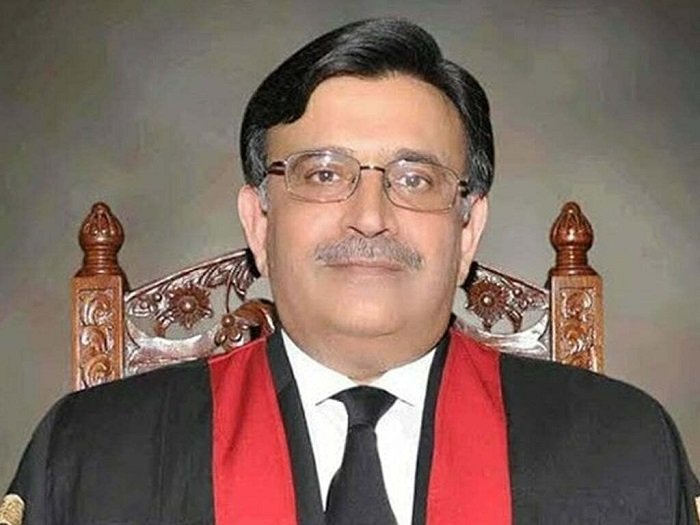
ISLAMABAD: Chief Justice of Pakistan Umar Ata Bandial said the three-member SC bench would deliver a “short but sweet” verdict in the case of PTI Chairman’s petition against the National Accountability (Amendment) Act, 2022.
The bench, led by CJP Bandial, heard Khan’s petition and reserved judgment on Tuesday. The CJP said the verdict would be announced later.
CJP Bandial, who is set to retire on Sept 16 and will be succeeded by Justice Qazi Faez Issa, remarked, “My retirement is near, and will give a decision before retirement.”
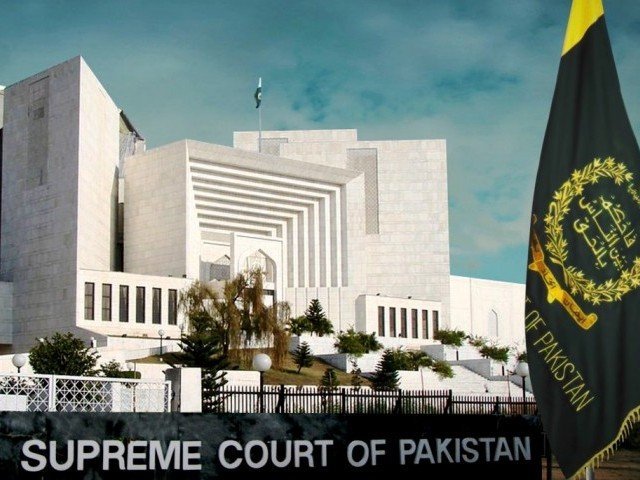
The additional attorney general apologized to the court for the AGP’s absence due to an important foreign visit.
During the hearing, PTI’s legal counsel, Khawaja Haris, presented his final arguments before the bench.
CJP Bandial noted that the National Accountability Bureau (NAB) had provided reasons for the references returned by the accountability body after amendments to the law until May.
He commented that the reasons for withdrawing the references suggested bias in the law, and individuals whose references had been returned were now on record.
CJP Bandial pointed out that amendments to section 23 of the NAB law were made in May and June, but references returned before May remained with NAB.
He questioned who would address these matters on behalf of NAB.
Khawaja Haris responded that many pending cases had been returned after the amendments.
CJP Bandial emphasized the need for action against corruption in state assets, smuggling, and illegal capital transfer, expressing disappointment that these crimes were not clearly defined in the law.
Justice Mansoor asked if it would be strange for the state to question why punishment was reduced through parliament’s amendments. The CJP questioned whether crimes could be eradicated through retroactive application of NAB amendments and whether the purpose of applying the law to past events was justified.
Justice Mansoor raised the issue of whether the parliament had the authority to legislate retroactively and whether the Supreme Court could challenge the parliament’s intent in making laws.
He emphasized that if the apex court lacked the authority to amend parliamentary legislation, it would have to follow it.
Justice Ahsan added that there were limits to what parliament could do, stating that parliament could not eliminate crimes through retrospective legislation.
CJP Bandial concluded that it could have been stipulated that the law would be applied retrospectively but that resolved cases would not be reopened.
