
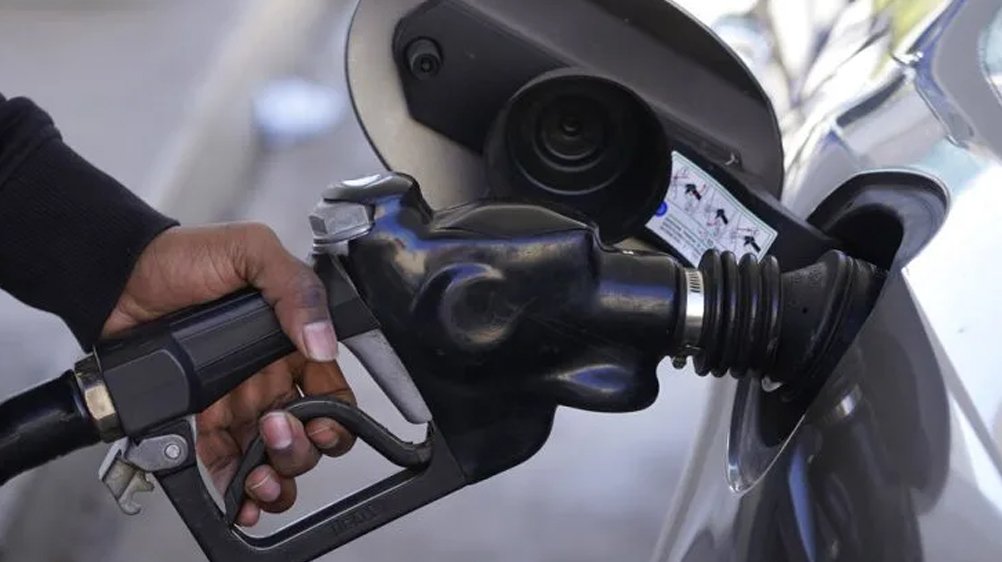

LANSING, Mich. (WLNS) — Drivers in Lansing are feeling a significant pinch at the pump, as gas prices have jumped nearly 20 cents per gallon in just the last week. According to a new report from GasBuddy, the average price in the city now sits at $2.98 per gallon as of Monday.
The survey, which compiled data from 177 gas stations across Lansing, shows a 19.7-cent increase over the past seven days. Prices are now 6.8 cents higher than last month and 8.9 cents above where they stood this time last year.
The cheapest fuel in the city was found at $2.74 per gallon on Sunday, while the most expensive station clocked in at $3.39 per gallon. Statewide, prices ranged from a low of $2.45 to a high of $3.59.
Nationally, the average gas price rose 5.6 cents over the past week to $2.94 per gallon—up 7.8 cents from a month ago, though still 10.1 cents lower than the same time last year. Diesel prices also climbed, increasing 5.4 cents to a national average of $3.74 per gallon.
GasBuddy compiled its data from over 11 million weekly price reports covering more than 150,000 stations across the country.
Historic Context
Looking back, Lansing’s current average of $2.98 is higher than last year’s $2.89 but remains below the $3.44 seen in 2024 and far from the $3.76 peak in March 2022.
Why Prices Are Rising
Patrick De Haan, head of petroleum analysis at GasBuddy, attributed the climb to a combination of seasonal factors and global instability. “The national average price of gasoline has climbed for a fourth straight week, driven primarily by seasonal tightening and broader market dynamics,” he said.
De Haan also pointed to recent geopolitical events as a key driver of uncertainty. “Markets will now begin reacting to this weekend’s U.S.–Iran attacks, which have elevated geopolitical risk premiums even in the absence of immediate supply disruption. Oil prices have firmed as traders assess the potential for further escalation,” he explained. “The risk of broader instability—particularly involving key transit routes—has injected fresh uncertainty into energy markets.”
With tensions abroad showing no immediate sign of easing and seasonal demand beginning to build, drivers may need to brace for continued volatility at the pump in the weeks ahead.

