
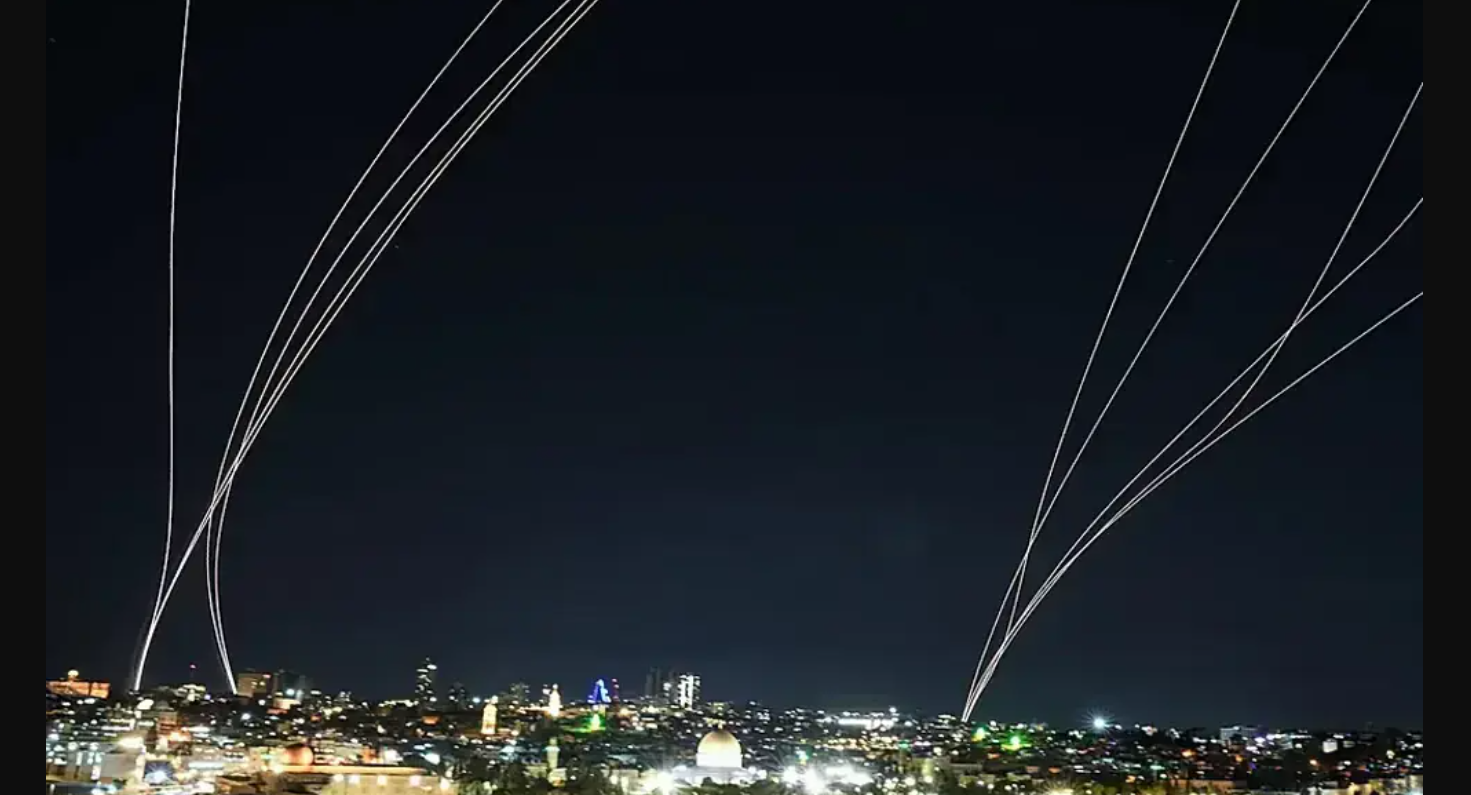

Kuwait and Bahrain faced another wave of Iranian drone attacks on Thursday as tensions between Iran and the United States continued to escalate across the Gulf region. The latest developments come amid an ongoing confrontation linked to the strategic Strait of Hormuz.
Both Gulf nations confirmed that their air defense systems responded to the aerial attacks. The incidents have further intensified regional security concerns as military exchanges between Tehran and Washington continue.
Kuwait Responds to New Drone Threat
The Kuwaiti army said it intercepted a fresh wave of drones, describing the incident as “Iranian aggression”.
Meanwhile, explosions were heard near Kuwait City during the latest attack, raising concerns about the expanding security situation in the country.
Earlier the same day, Kuwaiti authorities had also confirmed that their air defense systems intercepted another round of Iranian aerial threats.
Bahrain Activates Air Defenses
Bahrain also reported responding to Iranian drone attacks on Thursday.
Warning sirens sounded across Manama as the country’s military activated its air defense systems following the aerial threat.
The latest incident marked another escalation after previous attacks targeted the island nation during the renewed regional conflict.
Iran Claims Military Targets
Iran stated that its attacks focused on military infrastructure rather than civilian locations.
According to Iranian authorities, the operation targeted radar systems, an air defense system, and fuel storage facilities at the Ali al-Salem Air Base in Kuwait.
Iran also claimed it struck United States military installations at Sheikh Isa Air Base in Bahrain.
However, Kuwait and Bahrain rejected those claims. Both countries accused Iran of targeting civilian sites during the attacks.
Conflict Continues Despite Earlier Truce
The latest hostilities come despite a June agreement that established a 60-day truce between Iran and the United States.
The ceasefire was intended to create conditions for a permanent end to the conflict while supporting the reopening of the Strait of Hormuz.
Nevertheless, renewed military exchanges have pushed tensions back to dangerous levels across the region.
Strait of Hormuz Remains at the Center of Crisis
The current escalation follows Iran’s reported targeting of ships passing through the Strait of Hormuz.
The waterway remains one of the world’s most important energy corridors because it serves as a major route for Gulf oil and natural gas exports.
As military activity increases around the strategic passage, concerns continue to grow over regional security and global energy supplies.
Regional Security Concerns Deepen
The repeated attacks on Kuwait and Bahrain highlight the fragile security situation in the Gulf. Although Iran says it is targeting United States military assets, both Gulf countries maintain that civilian locations have also come under threat.
With tensions continuing to rise, the Strait of Hormuz remains a critical focal point in the broader confrontation between Iran and the United States. Regional governments continue to monitor the situation closely as fears of further escalation persist.

