

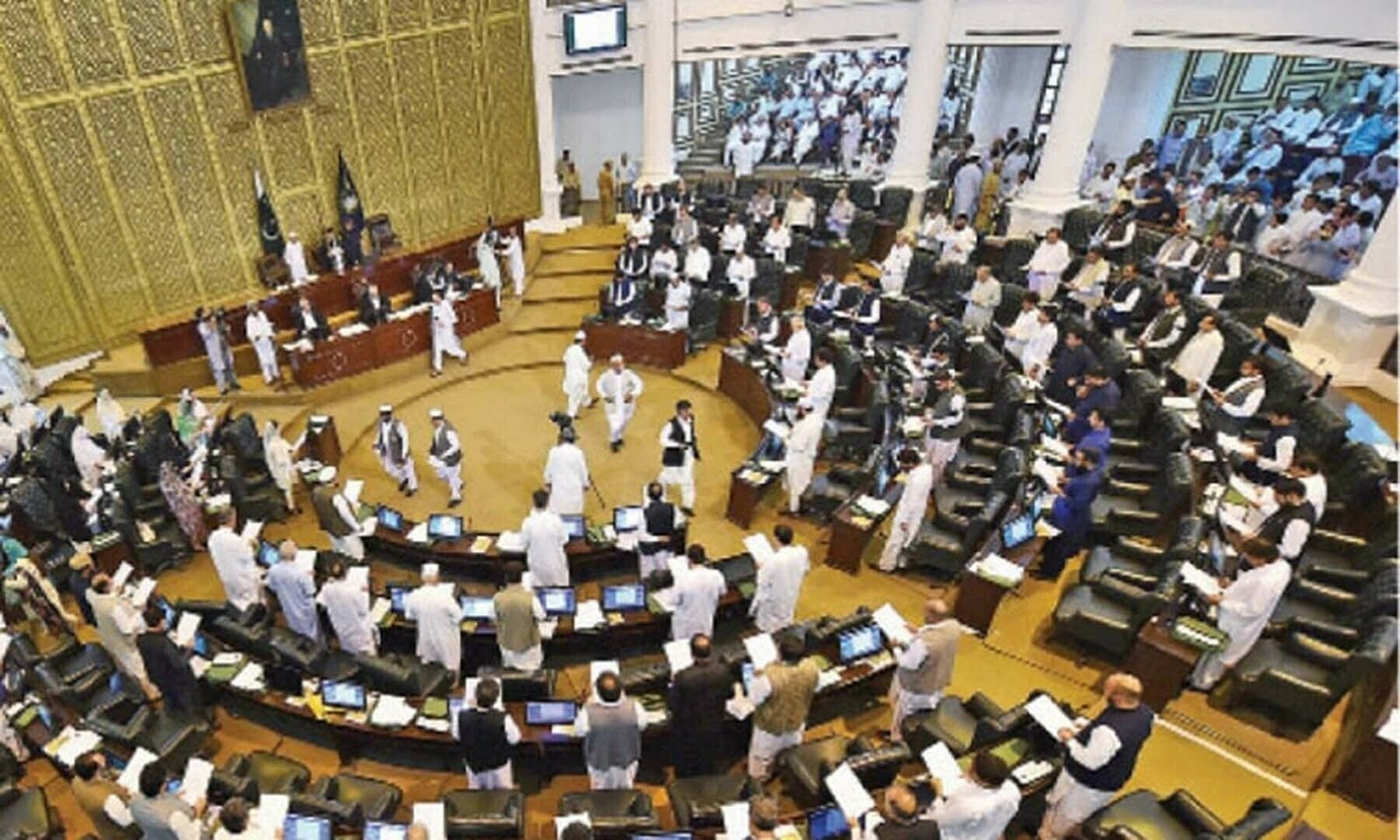

Women’s Reserved Seats
The process to fill two vacant women’s reserved seats from Khyber Pakhtunkhwa in the National Assembly has officially commenced, marking an important development in Pakistan’s ongoing electoral procedures.
These seats, designated under the constitutional provision to ensure women’s representation in the legislature, are being filled following procedural delays and political transitions within the province.
According to the Election Commission of Pakistan (ECP), the process began with the opening of nominations on July 9. Interested candidates have been invited to submit their nomination papers, with the deadline for submissions set for July 10.
This timeline allows a brief window for candidates or political parties to complete the formal requirements for participation in the election process.
Sources within the ECP confirmed that a preliminary list of all nominated candidates will be made public on July 11. Following this, the scrutiny of nomination papers will take place over the next few days, concluding by July 14. This scrutiny phase is crucial to ensure that all candidates meet the legal and constitutional criteria for holding office.
Once the scrutiny process is completed, candidates will have the right to appeal against the acceptance or rejection of nomination papers.
The deadline to file such appeals has been fixed for July 17, and any disputes or objections raised during this period will be addressed by the relevant election tribunals or authorities.
After all appeals have been reviewed and resolved, the final list of contesting candidates is expected to be issued on July 24. This list will set the stage for the next step in the election process, ultimately leading to the formal allocation of the two women’s reserved seats from Khyber Pakhtunkhwa.
Political sources suggest that the Pakistan Muslim League (N) is preparing to submit its priority list of preferred candidates for these seats. As the PML-N holds a significant position in the National Assembly, its nominations are expected to play a decisive role in the final allocation.
The process is being closely monitored by political observers and stakeholders, given its implications for women’s representation and party positioning in the federal legislature.
