

Rs300 Million Project Planned for Broghil Valley
The Khyber Pakhtunkhwa government has approved Pakistan’s first dedicated yak breeding and research centre in Upper Chitral.
The project will be established in the remote Broghil Valley near the Afghan border.
According to official budget documents, the initiative aims to conserve the endangered high-altitude species and improve livelihoods in the mountainous Chitral region.
The project has been included in the province’s Annual Development Programme for fiscal year 2026-27.
It carries an estimated cost of Rs300 million and will be completed over three years.
The research station will be built on 100 kanals of land in Broghil. The valley is located near the Wakhan Corridor and is one of Pakistan’s most isolated high-altitude regions.
The provincial government has allocated Rs30 million for the first phase. This includes Rs10 million for capital expenditure and Rs20 million for operational costs.
Research Centre to Focus on Breeding and Conservation
The new facility will start with a nucleus herd of 50 yaks.
Officials said the centre will support scientific breeding, reproduction research and genetic improvement programmes.
The goal is to increase the population of yaks, whose numbers have sharply declined in Pakistan.
Government data shows that Khyber Pakhtunkhwa has only 1,923 yaks. Of these, 1,911 are in Upper Chitral, while only 12 remain in Lower Chitral.
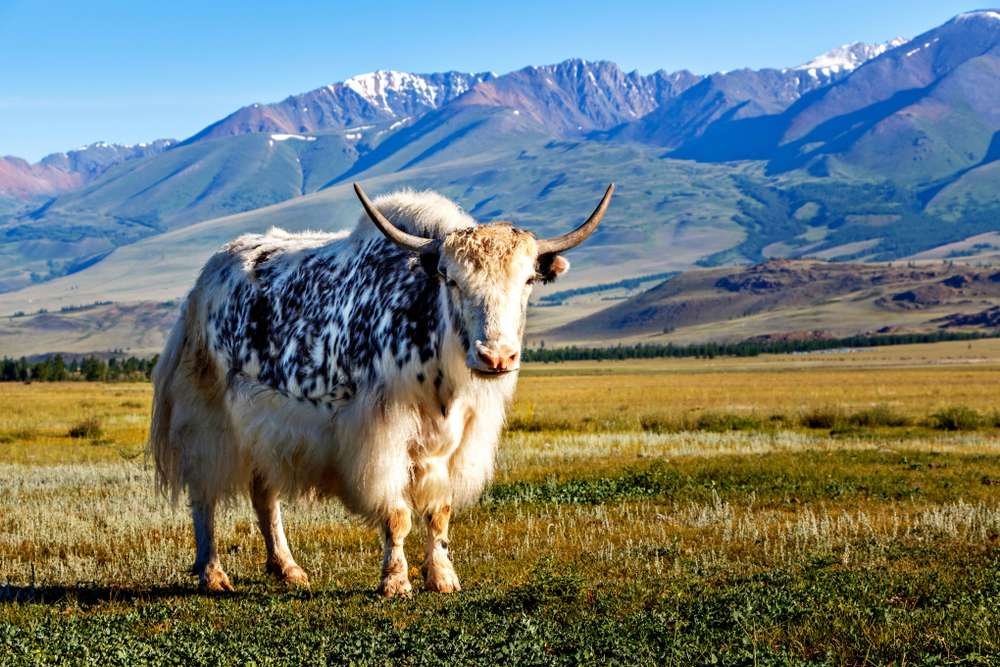
The yak is a long-haired bovine species adapted to extreme mountain conditions. It can survive at elevations ranging from 2,000 to 6,000 metres.
For communities in the Hindu Kush region, the animal is a vital source of income and survival.
Yaks provide meat, milk, butter, wool, hides and transport support.
Local Farmers and Eco-Tourism to Benefit
Officials said the core aim of the project is to improve the socio-economic conditions of farming communities in Chitral.
The centre will conduct research on yak health, nutrition, reproduction and productivity under local climatic conditions.
It will also train farmers in modern yak husbandry practices.
The project will encourage value-added production of yak-based products and help build stronger local supply chains.
Authorities also plan to promote yak-based eco-tourism in Chitral. The animal may be featured in local festivals, trekking activities and cultural events.
Officials believe the centre can create new employment opportunities and attract researchers, students and policymakers interested in high-altitude livestock management.
The project is expected to support food security, rural income and livestock conservation in one of Pakistan’s most remote regions.

