
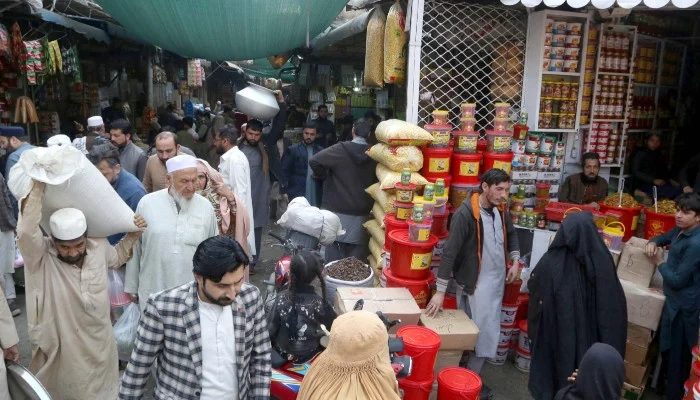

The provincial governments of Khyber Pakhtunkhwa (KP) and Balochistan have ordered early closure of markets, wedding halls, and restaurants to conserve energy. The measures come as Pakistan faces rising fuel and electricity costs due to global energy disruptions. Authorities have outlined strict guidelines for businesses and offices, while essential services are exempted.
Early Closure Timings and Restrictions
In KP, a notification from the chief secretary directs markets, shopping centers, and commercial establishments in divisional headquarters to close by 9pm. Other districts are required to shut by 8pm. Restaurants, cafes, and eateries must close by 10pm, although takeaway and home delivery services are allowed to continue.
Marriage halls, marquees, and public or private events are also restricted to 10pm. Private offices, banks, gyms, and academies fall under the same closure rules. Industrial units and factories may continue operations, but decorative lighting and unnecessary energy use are banned. Markets are instructed to limit lighting to essential use only, and billboards, LED screens, and signage must remain off after business hours.
Exemptions include hospitals, laboratories, emergency services, pharmacies, tandoors, petrol pumps, and public transport. Medical stores will operate 24 hours but only for medicines. Generators cannot be used for non-essential commercial activities, and air conditioners, lifts, and escalators are restricted after business hours.
Deputy commissioners have been tasked with ensuring compliance, with officials warning of inspections and legal action for violations.
Balochistan Follows Similar Energy-Saving Measures
Balochistan’s Home Department implemented nearly identical rules. Markets and shopping centers must close by 8pm, while pharmacies, tandoors, and nanbais are exempt. Restaurants, hotels, and wedding events, including those in banquet halls, are to conclude by 10pm. District administrations and law enforcement agencies have been tasked with strict enforcement to ensure public compliance.
Authorities emphasized that the measures are aimed at conserving energy and providing relief to citizens amid rising costs. Officials noted that the energy-saving directives would continue until the situation stabilizes and fuel prices normalize.
Rising Energy Costs Fuel Restrictions
The early closures follow rising global fuel and energy costs, which have directly impacted Pakistan. The ongoing Middle East conflict, which began with joint US-Israeli strikes on Iran on February 28, disrupted the Strait of Hormuz, a critical oil shipping route.
Consequently, Pakistan raised petrol and diesel prices in March, followed by a sharp spike in early April. Petrol reached Rs458.41 per litre, while diesel jumped to Rs520.35 per litre. The federal government later reduced the petrol price to Rs378 per litre for one month, alongside relief packages for transporters and small farmers. Prime Minister Shehbaz Sharif also extended austerity measures for federal cabinet members, including salary cuts for six months, to tackle the fuel crisis.
The early closure measures in KP and Balochistan are part of a wider energy conservation effort. Authorities have emphasized compliance while ensuring essential services continue. Citizens and businesses are urged to cooperate to minimize energy wastage during these challenging times.

