
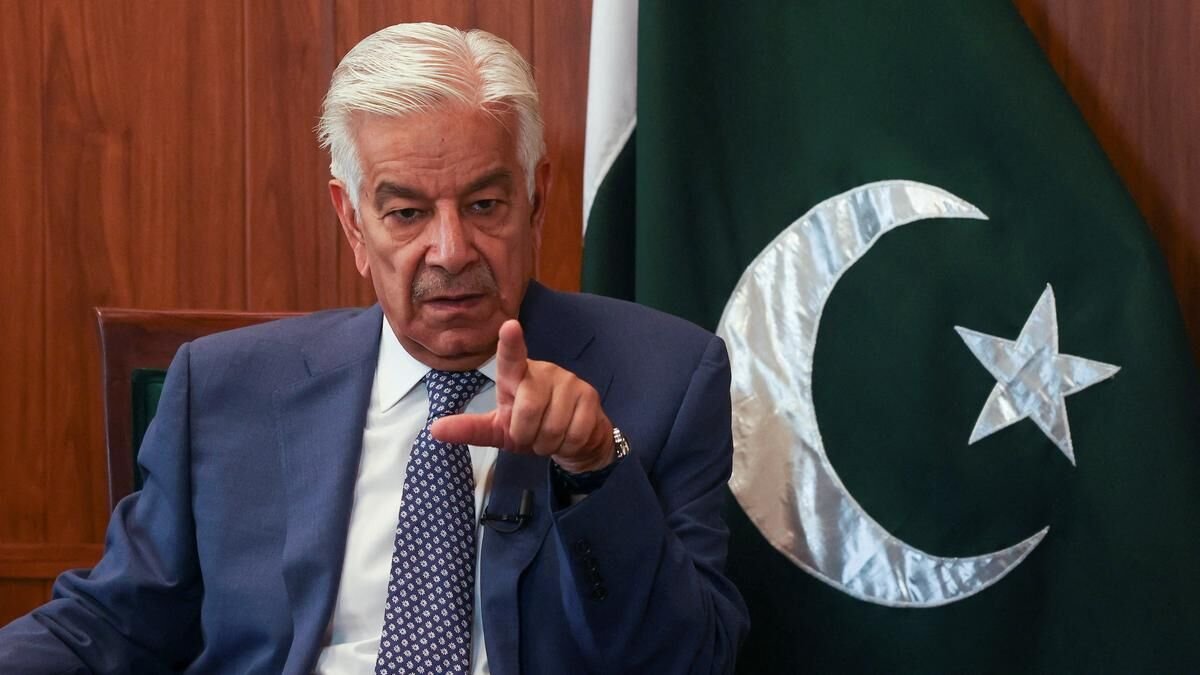

Defence Minister Khawaja Asif has accused the Pakistan Peoples Party (PPP) of maintaining a “double standard” over proposals to create new provinces. He said the party supports a Saraiki province in Punjab but raises the Sindhudesh issue when broader administrative restructuring comes under discussion.
In a post on X, Asif said the PPP had shown a “soft corner” for the demand for a Saraiki province whenever the issue emerged in Punjab. However, he argued that the party changes its position when discussions involve creating multiple provinces or administrative units.
Asif Challenges PPP Position
The defence minister questioned the reasons behind what he described as the PPP’s contradictory approach. He said he would explain what he believed was driving the party’s policy at a later stage, while emphasizing that national unity should remain the priority.
“We are Pakistanis, first and last,” Asif said. He also called for genuine implementation of the devolution principle established under the 18th Constitutional Amendment.
Asif said Pakistan’s current administrative structure had become outdated because powers remained concentrated at higher levels. Therefore, he argued that authorities should transfer greater powers to lower levels to strengthen democracy at the grassroots.
Calls for Greater Administrative Devolution
The defence minister suggested using Pakistan’s existing 36 divisions as a possible foundation for a new administrative arrangement. Alternatively, he said authorities could develop another geographical structure to distribute administrative powers more effectively.
Asif maintained that greater devolution remained inevitable because local communities needed stronger access to decision-making and public services. He argued that transferring authority closer to citizens could help democracy take deeper root across the country.
His remarks come as political parties continue debating whether Pakistan should create additional provinces or administrative units. Meanwhile, differing positions among coalition partners have added another dimension to the growing discussion over the country’s administrative structure.

