

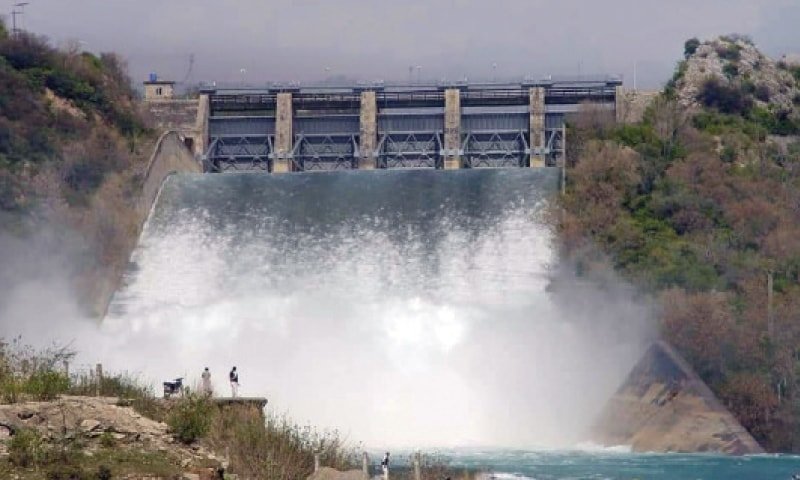

Khanpur Dam: A Critical Water Source Facing Crisis
Khanpur Dam, located on the Haro River near Khanpur in Khyber Pakhtunkhwa, is one of Pakistan’s most important water reservoirs. Completed in 1983, the dam plays a vital role in supplying drinking water to Islamabad and Rawalpindi while also supporting irrigation systems in parts of Punjab and KP.
With a storage capacity of over 100,000 acre-feet and a height of about 51 meters, Khanpur Dam is more than just an engineering structure—it is a lifeline for millions of people, farmers, and industries.
Water Shortage Hits Khanpur Dam in 2025
In mid-2025, Khanpur Dam experienced a significant drop in water levels due to delayed monsoon rains and extended dry spells. This decline brought the reservoir alarmingly close to its dead storage level, creating a major crisis for irrigation and municipal water supply.
Key Developments:
-
Water levels dropped to around 1,919 to 1,929 feet, just above the dead level of 1,910 feet.
-
Inflows into the dam were as low as 16 to 42 cusecs, while outflows exceeded 100 cusecs.
-
Authorities were forced to halt irrigation water supply to farmers in parts of Punjab and Khyber Pakhtunkhwa.
-
Drinking water to Islamabad and Rawalpindi was prioritized, though engineers warned of short-term sustainability.
Impact on Farmers and Local Communities
The water cuts led to severe challenges for farmers, especially those growing high-demand crops such as citrus fruits, loquats, lychees, and vegetables. Many orchards and fields in affected regions dried up due to a lack of canal water.
-
Agricultural Losses: Crops dependent on regular irrigation suffered major setbacks, threatening both yields and incomes.
-
Livelihood Disruption: Farmers reliant on seasonal harvests experienced financial strain.
-
Ecosystem Stress: Reduced water flow downstream also affected aquatic habitats and biodiversity.
Temporary Relief from Monsoon Rains
In late July 2025, heavy monsoon showers brought much-needed relief, raising water levels by over 37 feet. The dam’s storage level rose to approximately 1,956 feet, allowing authorities to resume irrigation supply and ease pressure on the water distribution system.
The return of adequate water also revitalized local tourism around Khanpur Lake, with boating and recreational activities picking up again after weeks of suspension.
The Bigger Picture
The recent water crisis at Khanpur Dam highlights Pakistan’s growing vulnerability to climate variability, erratic rainfall, and increasing water demand. While temporary relief has been achieved, long-term solutions such as better water management, updated irrigation systems, and environmental conservation are urgently needed.
Summary
| Aspect | Detail |
|---|---|
| Location | Haro River, near Khanpur, Khyber Pakhtunkhwa |
| Year Completed | 1983 |
| Key Uses | Drinking water, irrigation, recreation |
| 2025 Crisis Trigger | Delayed monsoon, low inflow, high demand |
| Affected Areas | Islamabad, Rawalpindi, Punjab, Khyber Pakhtunkhwa |
| Recovery Status | Improved after July monsoon rains |
