


Over 800 Dog Bite Victims Reported, Majority Are Children
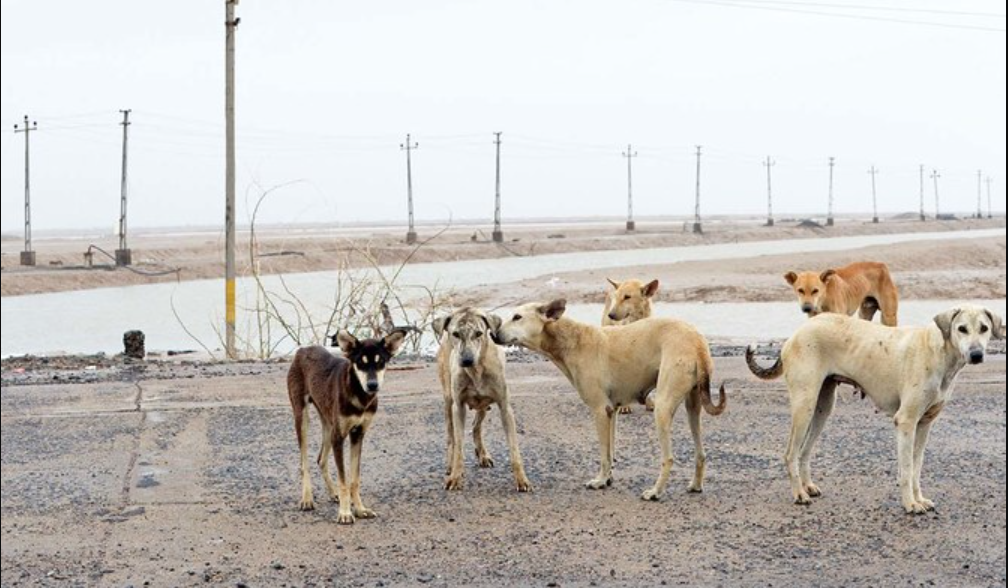
Karachi has reported an alarming rise in dog bite cases during the first week of the year. More than 850 people were bitten by stray dogs in just seven days. Health officials say the situation has turned into a serious public health emergency. Children remain the most affected group across the city.
Hospital data shows that over 300 victims were children. Many of them were under the age of five. Doctors warn that young children face the highest risk of severe injury and rabies infection. The growing stray dog population has created fear and panic in several neighborhoods.
The highest number of cases came from Korangi, Landhi, Baldia, Gadap Town, and nearby Hub areas. Residents in these localities report frequent sightings of aggressive stray dogs. Some of the animals are suspected to be infected with rabies, raising further concern among health professionals.
Hospitals Overwhelmed as Rabies Risk Grows
Indus Hospital Korangi alone treated nearly 300 dog bite victims within the first week. A large number of these patients were toddlers and preschool-age children. Emergency wards at Jinnah Postgraduate Medical Centre and Civil Hospital Karachi also received hundreds of cases.
Professor Dr Naseem Salahuddin of Indus Hospital described the figures as extremely alarming. She warned that rabies is a fatal disease if left untreated. She stressed that the disease is completely preventable with timely vaccination and proper control measures.
Doctors say that many families delay seeking medical help due to lack of awareness. This increases the risk of rabies-related deaths. Medical experts continue to urge immediate hospital visits after any dog bite, regardless of the wound’s severity.
Poor Waste Management and Lack of Control Programs Blamed
Health experts blame several factors for the worsening stray dog menace in Karachi. Poor waste management provides easy food sources for stray animals. Uncollected garbage attracts dogs to residential areas and streets.
Authorities also face criticism for the absence of effective vaccination and neutering programs. Experts say there is no coordinated city-wide strategy to control the stray dog population. Sporadic measures have failed to produce long-term results.
Doctors emphasize that while post-bite treatment saves lives, prevention is the only sustainable solution. Mass vaccination of dogs, sterilization programs, and improved waste disposal are essential steps. Public awareness campaigns are also needed to educate communities, especially parents, on safety measures.
Without immediate action, health professionals warn that Karachi’s children will remain exposed to serious and preventable danger. The rising dog bite cases underline the urgent need for coordinated government intervention.
