

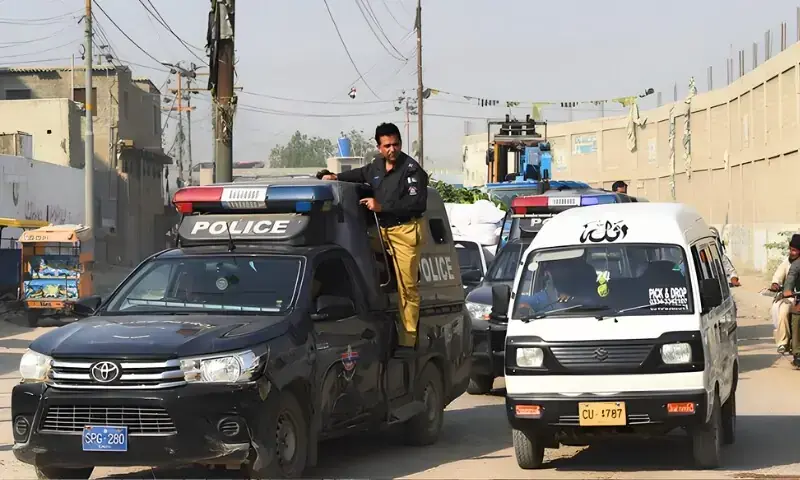

The Citizens-Police Liaison Committee (CPLC) has released crime statistics for the first 11 months of the year, revealing that Karachi has recorded more than 60,700 criminal incidents. The data highlights a range of offenses affecting the city’s residents and underscores ongoing concerns about public safety.
Motorcycle theft remains a significant issue, with 35,749 bikes reported stolen and an additional 6,078 snatched at gunpoint. Mobile phone theft is also prevalent, with 16,278 devices reported stolen across various incidents.
Car-related crimes continue to impact citizens, as 1,728 vehicles were stolen from parking areas and outside homes, while 284 cars were taken at gunpoint.
The CPLC report further notes 89 cases of extortion and 13 instances of kidnapping for ransom during the period. These figures reflect organized criminal activity targeting both individuals and businesses.
Violent crime continues to pose a serious threat, with 528 people killed in various incidents over the 11 months. Additionally, more than 80 individuals lost their lives during resistance, indicating confrontations between criminals and law enforcement or civilians.
The statistics serve as a stark reminder of the security challenges faced by Karachi, Pakistan’s largest city, where rapid urbanization, high population density, and socio-economic disparities contribute to the crime burden. Authorities and law enforcement agencies are tasked with implementing more effective measures to prevent theft, violent crime, and organized criminal activities.
CPLC’s data also emphasizes the need for public awareness and community cooperation. Citizens are encouraged to take precautions such as securing vehicles, avoiding isolated areas, and reporting suspicious activity promptly to law enforcement.
Improved surveillance, police presence, and community policing initiatives are essential to curbing crime and ensuring that Karachi remains a safer city for its residents.
While the figures are alarming, they provide critical insight for policymakers, law enforcement, and civic organizations to develop targeted strategies that address both the root causes of crime and immediate safety concerns.
