

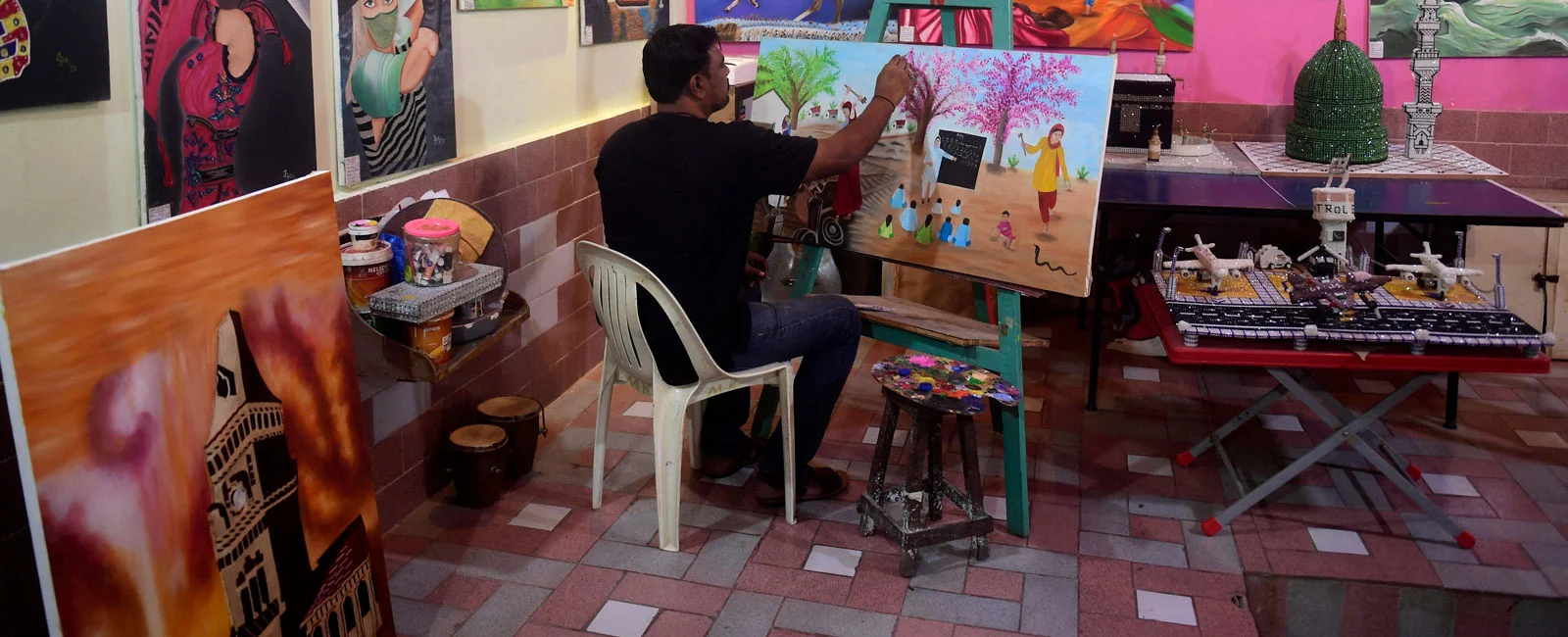

The colonial-era prison in the port city of Karachi features murals depicting rural Pakistani life, created by inmates, including those convicted of serious crimes like murder and kidnapping. Despite their incarceration, these individuals are engaged in productive activities, honing skills such as arts and crafts.
The Central Jail in Karachi houses an art and music rehabilitation program, allowing prisoners to learn and showcase their artwork in exhibitions, supported by the local arts council. In an interview, the prison chief highlighted the transformative impact of these initiatives on the lives of inmates.
One of the convicts, Mohammad Ijaz, who is serving a 25-year sentence, spoke about discovering the true meaning of life through art while in prison. He has successfully sold his paintings, particularly those featuring horses, earning substantial amounts to support his family, including funding his mother’s pilgrimage and sister’s wedding.
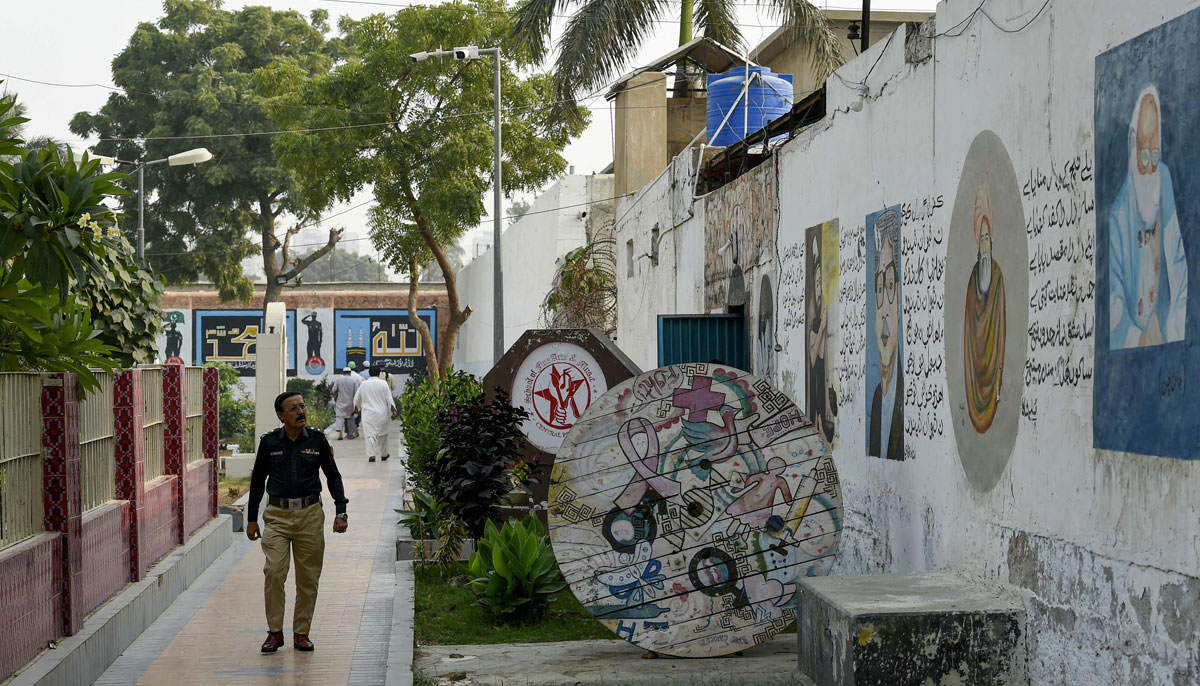
The art program, initiated in 2007, aims to reform long-serving and death row inmates. In addition to art, prisoners can learn languages such as Arabic, English, or Chinese, as well as skills like hand embroidery and beadwork. Senior prison officials believe that engaging inmates in constructive pursuits helps them reflect on their past actions and offenses.
Despite the challenging conditions in many Pakistani prisons, with overcrowding and limited resources, central jails in major cities, like Karachi, receive better funding. The proceeds from the sale of inmate-produced art are considered the property of the individuals involved.
Advocates for prisoner rehabilitation emphasize the importance of such efforts, asserting that the primary goal of penal punishments should be to help individuals become better citizens. The executive director of Justice Project Pakistan, Sarah Belal, underscores the need for a focus on rehabilitation.
Among the inmates benefiting from these programs is Mehtab Zakir, serving a murder sentence for the past five years. Despite his incarceration, Zakir sees value in the skills he has acquired, expressing a sense of accomplishment and confidence through his artistic endeavors within the prison walls.
