

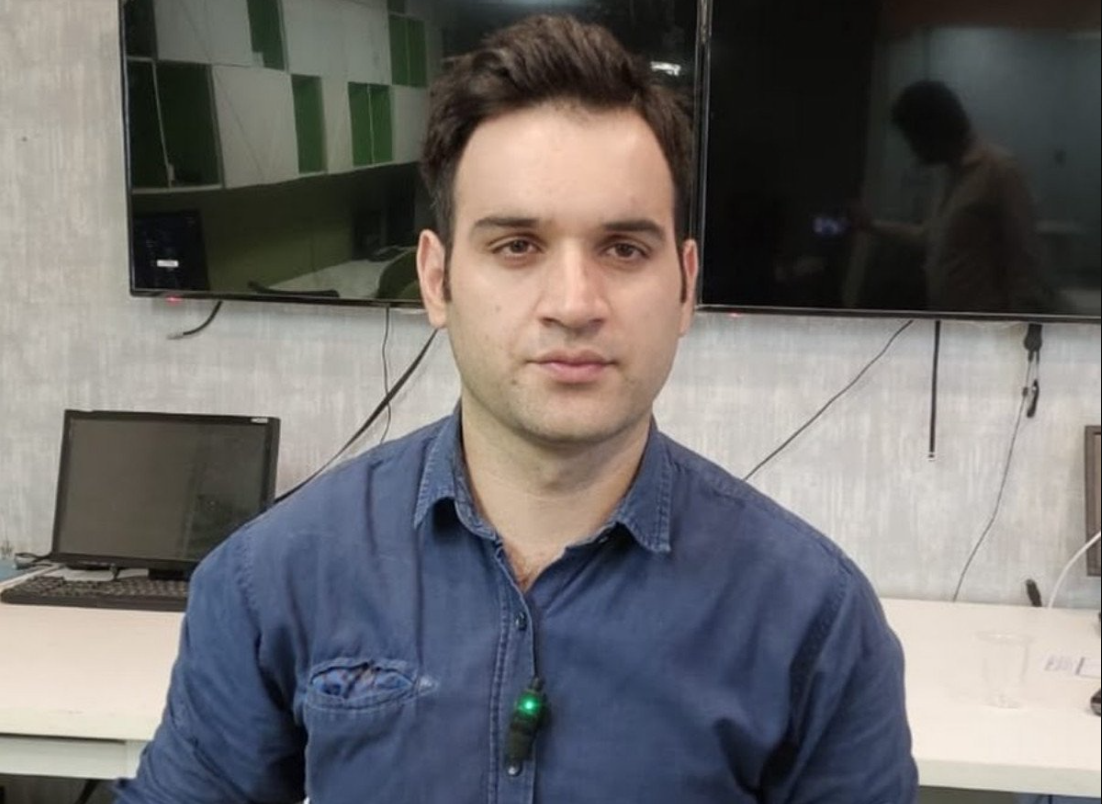

The remand of journalist Sohrab Barakat has sparked intense debate about due process, digital journalism and the expanding role of cybercrime authorities. A Lahore court approved a four-day physical remand for Barakat in a case linked to remarks made during an interview with activist Sanam Javaid. Although he did not make the comments himself, investigators argue that they must probe the channel’s operations and examine digital devices. The case now raises wider concerns about media liability and procedural fairness.
Court Approves Four-Day Remand Despite Contentions
The case appeared before a judicial magistrate at the Lahore District Court. Authorities requested physical remand for Barakat, claiming they needed time to extract data from his mobile device and identify the individuals managing the digital platform. Although investigators sought up to 30 days, the court allowed only four days.
The judge noted that Barakat had made no remarks during the interview. All comments were attributed to activist Sanam Javaid. Despite this, the court agreed that some investigation steps required time and custody, although it questioned the delay in producing the accused.
Interview at Heart of the Case
The FIR states that Barakat interviewed activist Sanam Javaid on a digital platform. Barakat’s lawyer stressed that he is not the owner of the channel. That ownership, according to the defence, rests with an individual named Adeel. He argued that Barakat merely performed his duties as an interviewer. The content, editorial decisions and uploads were handled by the organisation.
The defence also highlighted that the interview was recorded at 9am and aired at 9pm. They stressed that editorial teams handle such decisions. Additionally, Barakat claimed he worked as a salaried employee and acted under organisational instructions. He expressed that any removals or edits were the responsibility of the editorial board.
Defence Argues Barakat Made No Remarks Himself
The lawyer repeatedly argued that Barakat had made no controversial remarks. All statements aired belonged to the interviewee. He said this removes liability from the interviewer. He further claimed that individuals who made the remarks had already been arrested, and the platform continues to operate normally.
Therefore, the defence maintained that the journalist should be discharged. They claimed he was being held responsible for content he neither produced nor controlled.
Dispute Over Travel Block and Re-Arrest
The defence revealed further details about Barakat’s travel plans. They stated he intended to attend a conference abroad between November 10 and 12. However, he was stopped from boarding his flight by the Federal Investigation Agency. After approaching the court, FIA complied with orders and confirmed that he was not wanted in any case.
Despite this, he was re-arrested the following night at Islamabad airport. According to the defence, investigators did not present any transit remand. This raised questions about procedural fairness and legal procedures. The defence argued that authorities acted without proper documentation.
Court Questions Delay in Producing the Accused
During proceedings, the court questioned why Barakat was not presented sooner. The judge asked the investigating officer why so many hours passed before producing him. The officer claimed that senior officials needed to be briefed. He then argued that more time was necessary for a thorough probe.
The court remained unconvinced about the long delay. It reminded the investigator of legal requirements regarding timely presentation. However, the judge still approved a limited remand, emphasising the need for balanced investigation.
NCCIA Seeks Data to Identify Channel Management
According to investigators, the primary goal of the remand is to retrieve data from Barakat’s phone. They want to determine who actually manages the channel. They also aim to identify the individuals responsible for uploading the interview. Investigators stressed that digital evidence is crucial. They also said that ownership and management structures must be confirmed.
Although they sought 10 to 30 days, the court only granted four. The limited period signals judicial caution, particularly because the accused did not make the comments himself.
Habeas Petition Reveals Additional Details
During a habeas corpus hearing in Islamabad, Barakat said investigators had already taken remand earlier. He claimed he was held overnight. He insisted that he cooperated fully. The defence argued that this made another long remand unnecessary.
The court in Islamabad reviewed documents and questioned the sequence of arrests. However, Barakat was ultimately handed over to NCCIA for further proceedings in Lahore.
Editorial Responsibility Highlighted by the Defence
Barakat argued that editorial teams decide the final cut of interviews. He noted that he recorded the interview hours before it aired. He claimed that interviewers only ask questions. Content screening lies with editors, supervisors and the channel’s management.
The defence used this point to argue that he had no authority over the broadcast. They stressed that the journalist followed instructions and did not upload any content himself.
Case Raises Bigger Concerns About Journalism and Digital Platforms
Although the case focuses on one interview, it raises broader questions. It brings attention to the responsibilities of interviewers and editors. It also highlights gaps in the laws around digital journalism. Furthermore, the case shows growing friction between journalists and digital investigation authorities.
Many observers argue that interviewers cannot be held responsible for the words of their guests. However, investigators claim digital platforms must reveal operational details for proper regulation.
Court’s Final Decision: Four-Day Remand
After hearing both sides, the court approved a four-day physical remand. It rejected the investigators’ request for up to 30 days. The judge stressed that the investigation could proceed, but fairness must be observed.
The court asked the investigating officer to follow legal procedures and complete the examination without delay. It also noted that Barakat had made no remarks himself.
The limited remand indicates judicial caution and an attempt to balance investigation needs with individual rights. The case will now continue under NCCIA supervision.
