
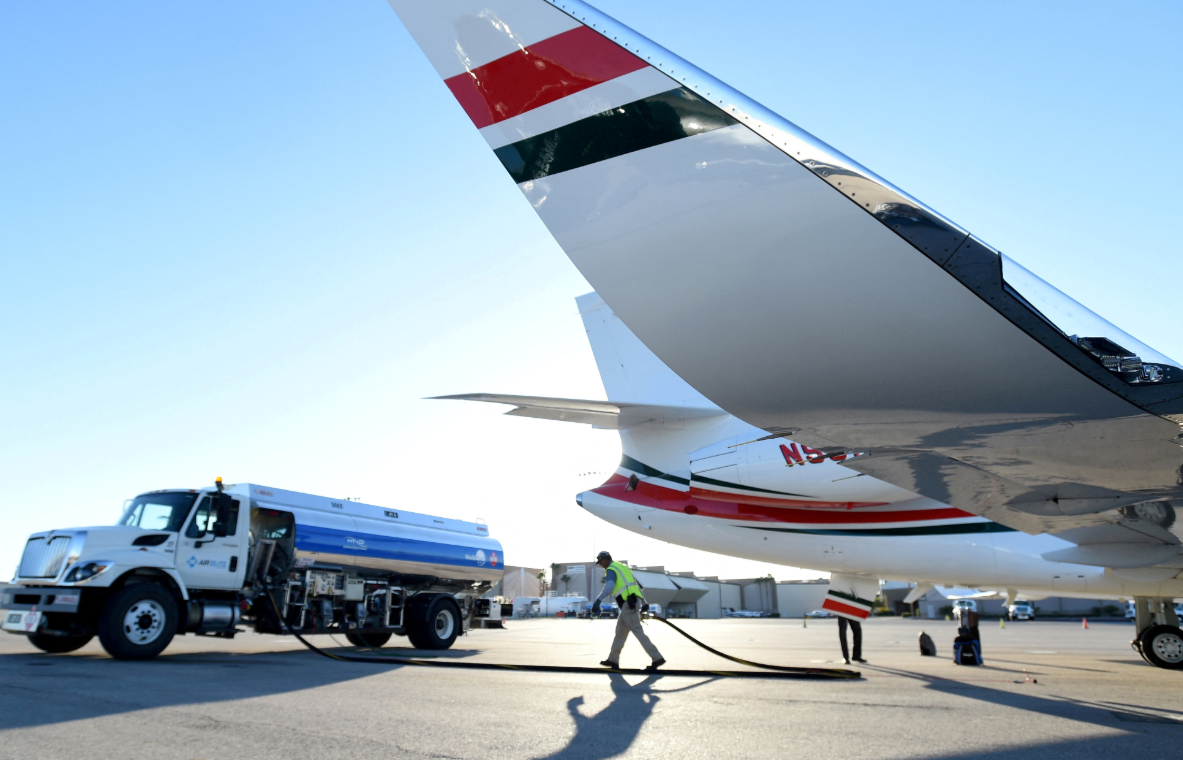

Air travel in Pakistan is becoming noticeably more expensive after a sharp rise in jet fuel prices. Airlines now warn that ticket fares could increase by as much as 100 percent.
Jet fuel prices have jumped dramatically, rising from Rs176 to Rs417 per litre. As a result, airlines have begun adjusting ticket prices to manage increasing operational costs.
Consequently, passengers are already seeing higher fares reflected in bookings. The added fuel surcharge has started appearing on both domestic and international tickets.
Industry officials explain that fuel costs represent one of the largest expenses for airlines. Therefore, sudden increases directly influence airfare pricing decisions.
Airlines Introduce New Fuel Surcharges
National and private carriers have introduced additional charges to offset rising fuel expenses. Pakistan International Airlines has already revised its fare structure on multiple routes.
Domestic flights now carry increases ranging from $10 to $100. Meanwhile, international routes have experienced larger adjustments due to longer travel distances and higher fuel consumption.
Flights to the United Kingdom include a surcharge of approximately $75. Similarly, routes connecting Saudi Arabia and Gulf destinations now carry an added $50 charge.
Private airlines have also followed the trend. They introduced extra surcharges ranging between $15 and $150, depending on destination and travel class.
As a result, travelers planning upcoming trips are facing noticeably higher travel budgets.
Gulf Airspace Closure Adds Further Pressure
Besides fuel prices, airlines cite regional airspace disruptions as another major challenge. The closure of Gulf airspace has forced carriers to reconsider flight routes and operational planning.
Longer routes often require additional fuel consumption. Therefore, airlines must absorb higher operating costs while maintaining schedules.
Officials believe these extraordinary circumstances make fare adjustments unavoidable. Without pricing changes, airlines could struggle to sustain operations efficiently.
Passengers Adjust to Changing Travel Costs
Travelers are now reassessing travel plans due to rising ticket prices. Some passengers are delaying non-essential trips, while others are searching for cheaper travel dates.
Meanwhile, travel agents report increased inquiries about fare fluctuations and surcharge explanations. Many passengers want clarity about sudden price changes.
Airlines, however, argue that fare revisions remain necessary under current economic conditions. They emphasize that fuel costs and operational constraints leave limited flexibility.
Aviation Sector Faces Uncertain Outlook
The aviation industry continues to navigate financial pressure caused by volatile fuel markets and regional disruptions. If fuel prices remain elevated, further fare adjustments may follow.
However, airlines hope stability in fuel markets could eventually ease pricing pressure. Until then, passengers should expect fluctuating fares and continued fuel surcharges.
Ultimately, the current situation highlights how global energy shifts quickly influence everyday travel costs. For now, air travel affordability remains closely tied to fuel price trends.

