

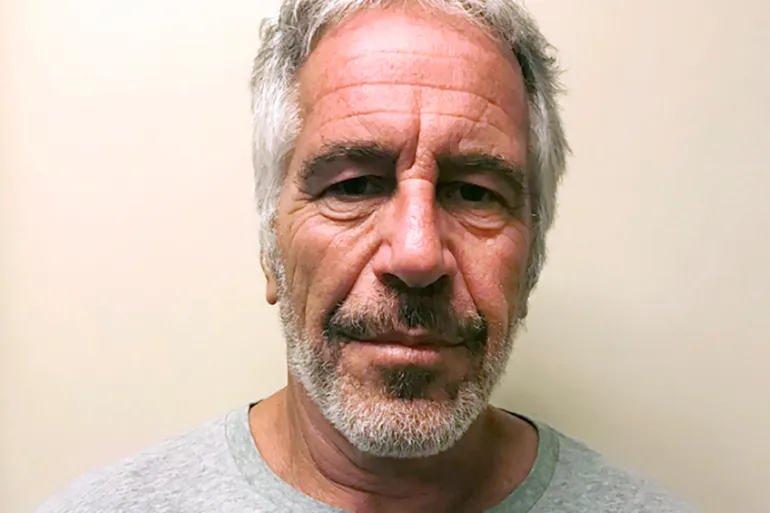

Disgraced Financier Makes Claims in Previously Unreleased Interview
A previously recorded interview of disgraced financier Jeffrey Epstein has resurfaced, drawing fresh attention and controversy. In the recording, Epstein claims he donated money to support anti-polio vaccination campaigns in Pakistan and India. The interview was conducted at an undisclosed time and location by an unidentified interviewer.
Epstein, a convicted sex offender accused of sexual abuse and human trafficking, made the claims while discussing his past actions. During the conversation, he openly acknowledged his criminal status. He described himself as a “Tier 1 predator”, a term used to describe the most dangerous offenders.
The interview adds another layer to Epstein’s already disturbing public record. His comments have sparked debate about ethics, accountability, and the use of charitable donations made by convicted criminals.
Epstein Addresses Morality, Wealth, and Criminal Label
During the interview, Epstein was asked if he considered himself “the devil.” He said he did not know how to answer the question. He questioned why such a label was being used. The interviewer responded by saying Epstein possessed all the flaws associated with a devil-like figure.
Epstein rejected the comparison. He said he did not see himself as the devil. He added that he was afraid of the devil. The exchange highlighted the tense and confrontational tone of the interview.
He was also questioned about the source of his wealth. The interviewer asked whether his money was “dirty.” Epstein denied this claim. The interviewer then argued that Epstein earned money by advising some of the world’s worst individuals. These individuals were accused of serious wrongdoing.
Epstein replied by saying that morality is a complicated subject. He did not directly address the specific allegations about his clients. Instead, he spoke broadly about ethical complexity and personal judgment.
British media outlets have speculated that the interviewer may have been Steve Bannon, who served as chief strategist during former US President Donald Trump’s first term. However, no official confirmation has been made regarding the interviewer’s identity.
Polio Donation Claims Raise Serious Questions
Epstein repeated his claim that he donated money for polio eradication efforts in Pakistan and India. He argued that the focus should be on the outcome of the donations. He said people should ask mothers whose children received vaccines whether the donations were wrong.
He suggested that the benefit to children should outweigh concerns about the donor. At one point, the interviewer posed a hypothetical question. He asked how poor and sick people would react if told that aid money came from a criminal.
Epstein replied that people would accept the money. He said parents would prioritize their children’s health over the source of funding. His response attempted to justify the donations on practical grounds.
Despite these statements, no verified evidence has emerged to confirm Epstein’s claims. It remains unclear whether he ever donated money to anti-polio campaigns in Pakistan. There is also no information about when the alleged donations were made.
Authorities have not confirmed which government was in power at the time. It is also unknown which organizations, if any, received the funds. The channel through which the money may have been sent has not been identified.
The lack of documentation has raised doubts about the accuracy of Epstein’s statements. Until verified records surface, the claims remain unproven. The interview continues to fuel debate about accountability, charity, and moral responsibility.
