
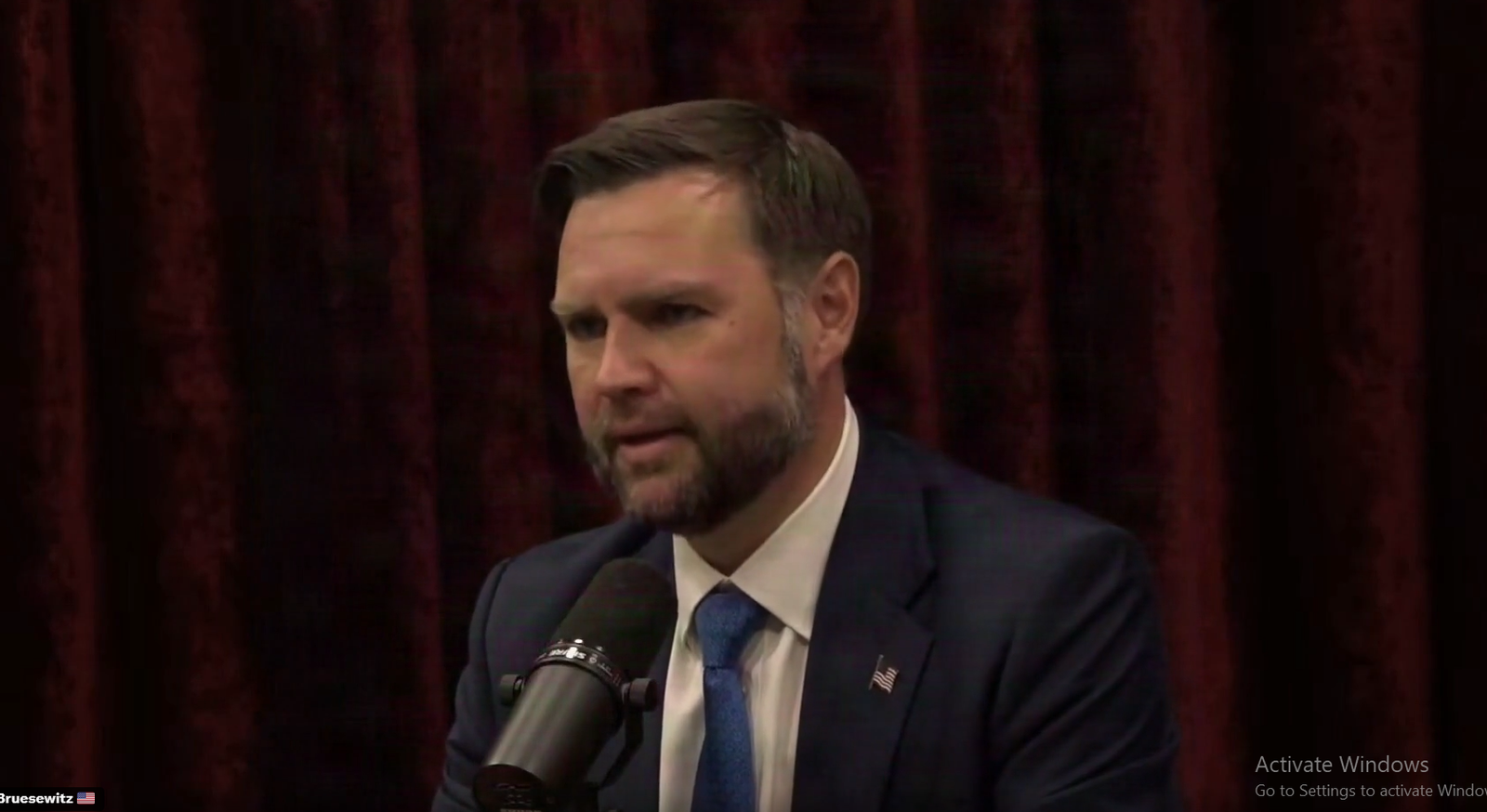

JD Vance says Israel is paying social media influencers to attack him for negotiating with Iran and prioritizing peace. pic.twitter.com/92iff8lva2
— Ashok Swain (@ashoswai) July 16, 2026
US Vice President JD Vance has claimed that Israel is paying social media influencers to criticize him over his efforts to negotiate with Iran and promote peace.
Vance made the remarks during a discussion about foreign policy and online criticism. He suggested that some online campaigns against him are linked to opposition to his diplomatic approach toward Iran.
Vance Defends Focus on Diplomacy
The vice president said he supports dialogue and negotiations as a way to reduce tensions between countries. He argued that seeking peaceful solutions should not become a reason for public figures to face criticism.
According to Vance, his position on Iran reflects an effort to avoid unnecessary conflict and focus on diplomatic engagement.
He claimed that some critics want to portray negotiations as a sign of weakness rather than a possible path toward stability.
Debate Over Social Media Influence
Vance’s comments have sparked discussion about the role of social media in shaping political opinions.
Online influencers have become increasingly important in political debates, with governments, organizations, and individuals often using digital platforms to share their views.
However, claims about foreign governments funding online campaigns require evidence and verification. Such allegations can create further political disagreements if they remain unproven.
Iran Talks Remain a Sensitive Issue
Relations between the United States, Israel, and Iran have remained a major focus of international politics.
Any discussion involving Iran’s nuclear program, regional security, or diplomatic negotiations often creates strong reactions from different groups.
Supporters of diplomacy argue that negotiations can help prevent conflicts and create long-term solutions. Meanwhile, critics often question whether talks can achieve meaningful results.
Vance’s Statement Draws Attention
Vance’s remarks have added another layer to the ongoing debate about foreign policy, online influence, and international negotiations.
The comments also highlight how social media has become a major platform for political disagreements.
As discussions around Iran negotiations continue, questions about online campaigns, political messaging, and international influence are likely to remain part of the wider conversation.

