

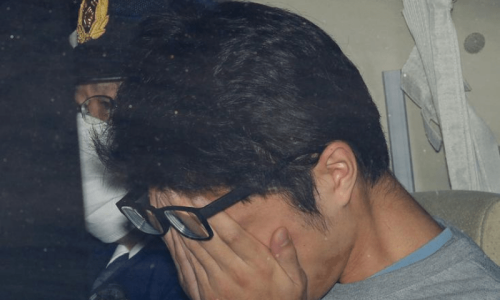

Japan carried out its first execution in nearly three years on Friday, putting to death a man convicted of murdering nine people he lured through social media.
Takahiro Shiraishi, known as the “Twitter Killer,” was executed for the 2017 killings of eight women and one man. He strangled and dismembered his victims in his apartment in Zama City, Kanagawa Prefecture, near Tokyo. Shiraishi used Twitter to contact individuals who had expressed suicidal thoughts, offering to assist or die with them—before killing them himself.
Justice Minister Keisuke Suzuki approved the hanging and said the decision was made after “careful consideration,” citing Shiraishi’s “extremely selfish” motives and the “great shock and unrest” his crimes caused in society.
The execution marks the first use of capital punishment since July 2022, when a man was hanged for a 2008 stabbing rampage in Tokyo’s Akihabara shopping district. It also represents the first execution under Prime Minister Shigeru Ishiba’s administration, which began last October.
Japan’s use of the death penalty—carried out by hanging—continues to face criticism from international human rights groups. Prisoners are typically notified only hours before their execution, a practice long condemned for the psychological toll it takes on inmates.
Justice Minister Suzuki defended the decision, stating, “It is not appropriate to abolish the death penalty while these violent crimes are still being committed.” He added that Japan currently has 105 inmates on death row.
In contrast, last year, a high-profile case highlighted flaws in the justice system when Iwao Hakamada, who had spent the longest known time on death row globally, was acquitted decades after being wrongfully convicted of a crime committed nearly 60 years ago.
