

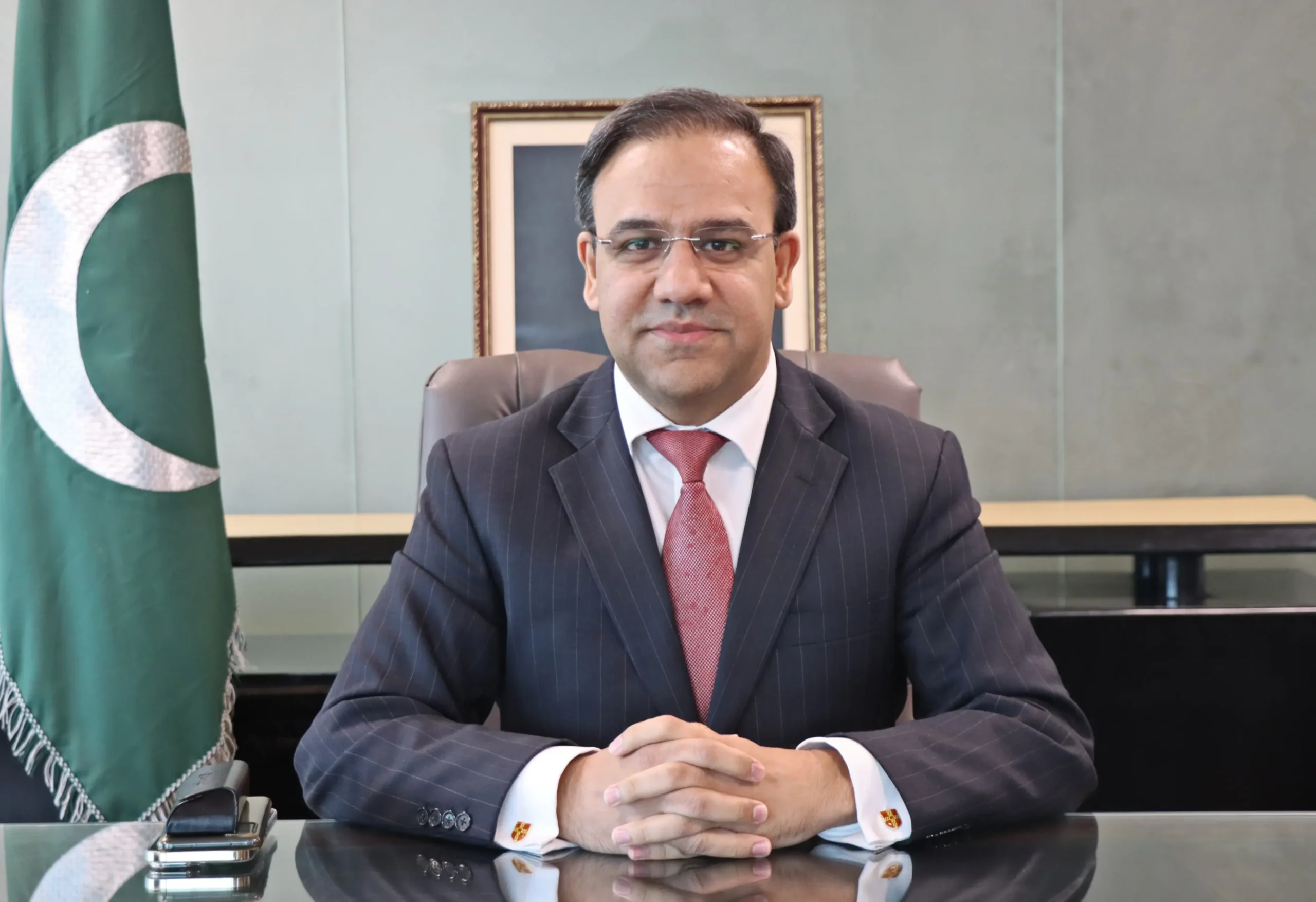

Caretaker IT Minister Umar Saif made a startling claim on Friday, alleging that Pakistan Tehreek-e-Insaf (PTI) is involved in a campaign to create fake Twitter accounts. These accounts, according to Saif, are utilized to hack into other users’ accounts and disseminate misinformation.
Saif detailed the assertion in a post on Twitter, revealing that he received a message from an account named ‘TwitterHelp,’ cautioning about rule violations.
In a twist, these cautionary messages, sent as direct messages (DM), allegedly encourage users to visit a website (http://helprules.com) to disclose their login details, resulting in the compromise of their accounts. Saif went further to claim that a former PTI leader, Malik Amin Aslam’s account, was exploited in this scheme, with its name temporarily altered.

Characterizing this activity as part of an intricate and malicious campaign, Saif accused PTI’s social media head, Jibran Ilyas, of orchestrating the scam. He contended that the endgame of this campaign is to spread misinformation, incite violence, and manipulate religious sentiments through social media channels.
Responding to Saif’s allegations, Ilyas challenged the claims, calling for an investigation. He stated that if Saif’s assertions are unsubstantiated, the caretaker minister should unblock PTI websites and Twitter in Pakistan. Additionally, Ilyas asked Saif to disclose the VPN he was using to access Twitter from Pakistan.
This exchange highlights the intensifying concerns over the misuse of social media platforms, raising questions about cybersecurity and ethical conduct, especially in the political context of the country. As the allegations unfold, the need for vigilant monitoring and countermeasures against such cyber threats becomes increasingly apparent.
