
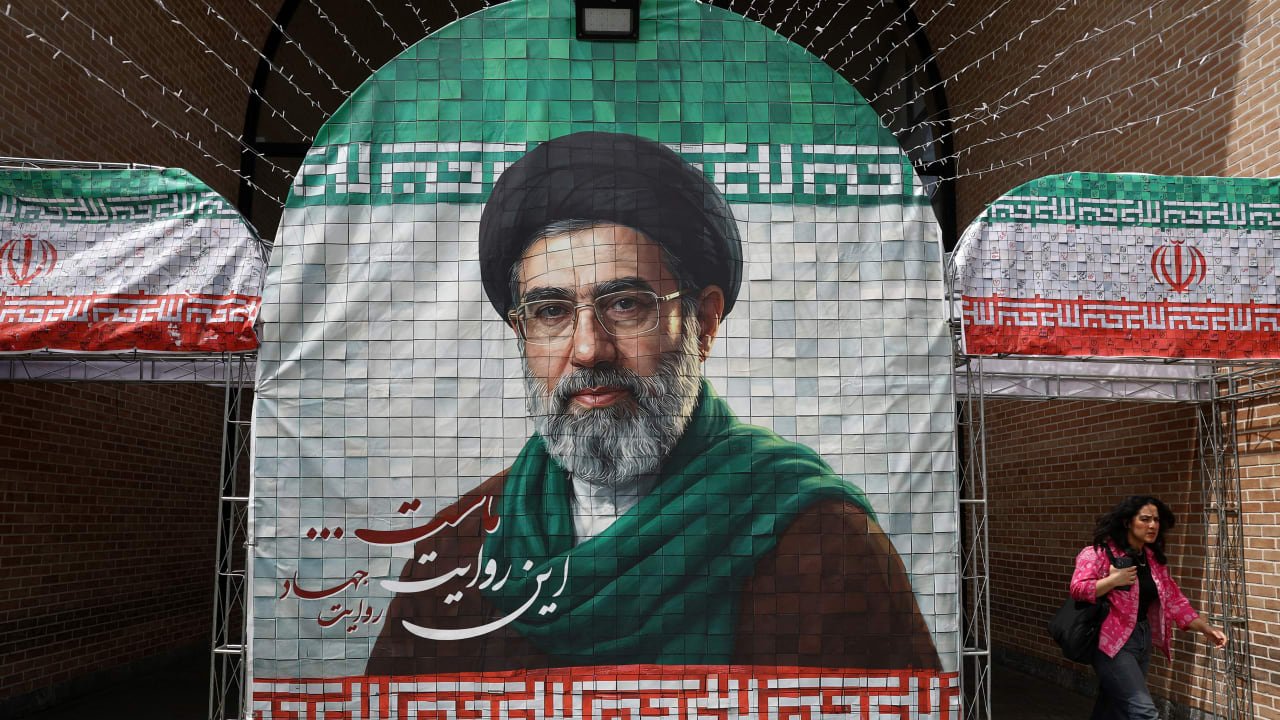

Researcher argues Tehran seeks to protect leadership while assessing military risks
JERUSALEM: Iranian authorities are avoiding a broad, direct military confrontation with Israel because of concerns over potential strikes on senior officials and institutions considered essential to the country’s leadership, according to Israeli Iran researcher Beni Sabti.
Speaking to Israeli radio station 103FM, Sabti, a researcher at the Institute for National Security Studies, commented on regional tensions following media reports citing an Israeli security source who claimed that Iranian Supreme Leader Mojtaba Khamenei was outside the country. The report has not been independently verified.
Sabti argued that Tehran remains cautious because it believes Israeli operations could focus on key political and security figures as well as strategic institutions. He also claimed that some elements within Iran’s Islamic Revolutionary Guard Corps (IRGC) may be testing Israel’s response through limited actions, although he did not provide evidence for the assertion.
Claims on military and security strategy
During the interview, Sabti said Israel’s military strategy prioritises senior leadership targets and infrastructure linked to Iran’s security establishment. He also alleged that facilities associated with the IRGC would remain key objectives in any escalation.
Additionally, Sabti described the reported impact of recent US strikes on communications infrastructure, claiming damage to more than 100 communications towers had affected military capabilities. These claims have not been independently confirmed by US or Iranian officials.
Analysis reflects personal assessment
Sabti also argued that revenge has become a central strategic consideration for Iran’s leadership, linking it to the country’s missile programme, nuclear activities and regional alliances, including Hezbollah.
His remarks represent his personal assessment of Iran’s military and political calculations rather than official Israeli government policy.
Neither Iranian authorities nor the IRGC immediately responded to the comments. Independent verification of battlefield claims and strategic assessments remains difficult amid the ongoing regional conflict.
Analysts note that public commentary by security experts often reflects individual interpretations of evolving events, while official positions on military planning and national security are typically communicated separately through government statements.

