
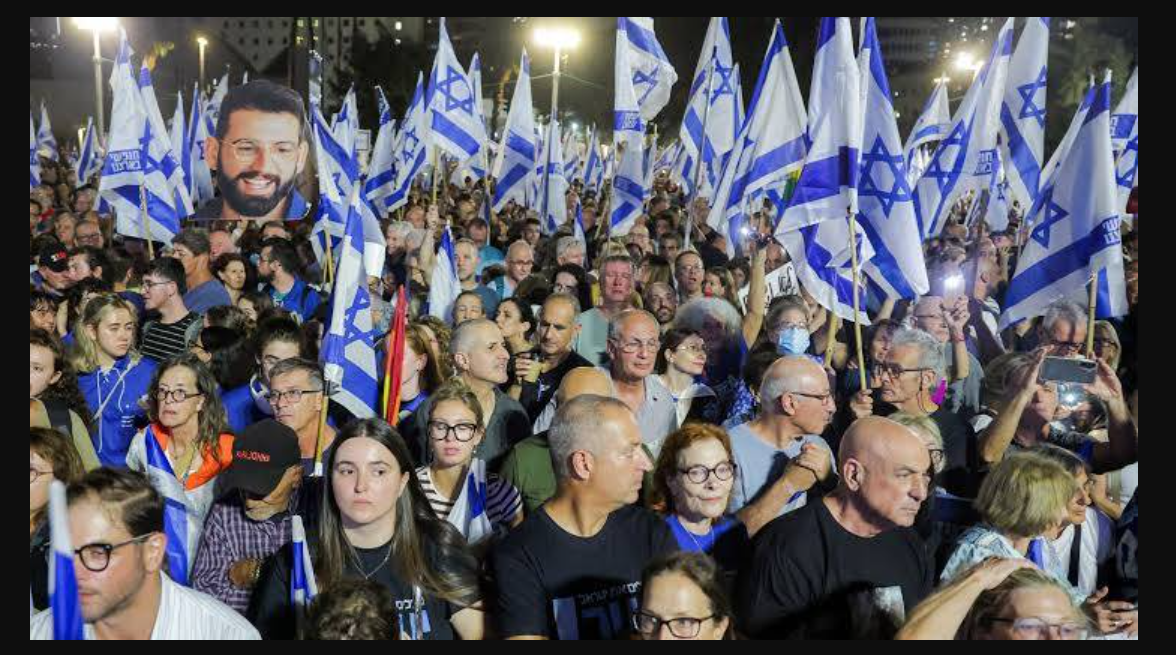

Israelis head to the polls on October 27, 2026, in a closely contested general election that could reshape the country’s political landscape and determine who leads its next government. Prime Minister Benjamin Netanyahu is seeking to retain power against a strong challenge from opposition leader Gadi Eisenkot, whose Yashar party has gained momentum in recent opinion polls.
The election follows four years of political stability under Netanyahu’s coalition, despite prolonged regional conflicts, domestic protests, security controversies and his ongoing corruption trial. Accountability for the Hamas-led October 7, 2023, attack has emerged as a major campaign issue, with opposition parties demanding an independent state commission to investigate the security failures.
Israel’s parliamentary system makes government formation more complicated than simply winning the most votes. Voters elect parties to the 120-member Knesset, and a governing coalition generally needs the support of at least 61 lawmakers to secure a majority.
Recent polling suggests neither Netanyahu’s right-wing and religious bloc nor the opposition camp is guaranteed to reach that threshold. Consequently, smaller parties and Arab-led political factions could play a decisive role in determining the next government.
Approximately 7.33 million Israelis are eligible to vote, while 38 registered parties are competing for parliamentary representation. Parties must secure at least 3.25 percent of the vote to enter the Knesset.
After official results are announced, President Isaac Herzog will consult political leaders before selecting a lawmaker to attempt to form a coalition. The designated candidate will initially have 28 days, with a possible 14-day extension, to negotiate an agreement.
If coalition negotiations fail, further attempts may follow, potentially leading to another election. Until a new government takes office, Netanyahu’s administration will remain in a caretaker capacity.
The outcome could influence Israel’s domestic policies, judicial reforms, security strategy and approach to regional conflicts.
For the latest updates, visit and follow The Truth International website (www.thetruthinternational.com), subscribe to the YouTube channel, and follow the Instagram and Facebook pages.

