
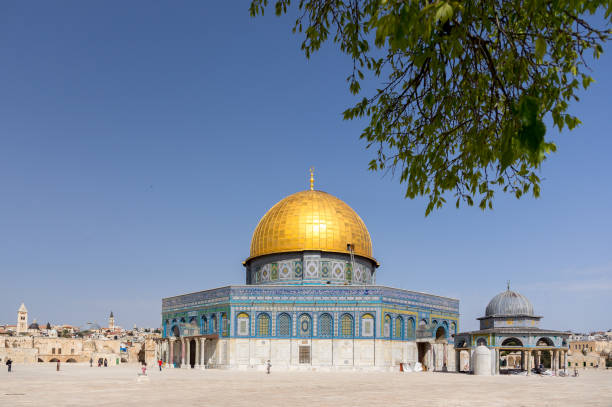

Israel has allowed a limited increase in worshippers at one of its holiest sites. The country’s Supreme Court approved up to 100 people to pray at the Western Wall. This decision comes during heightened regional tensions and strict security measures.
Previously, only 50 worshippers were allowed. The restriction had been in place since the start of the conflict involving Iran. The new ruling doubles that number. It reflects a slight easing of restrictions while security concerns remain high.
Court Decision Follows Petition by NGO
The decision came after a petition was filed by a non-governmental organization. The court reviewed the request and issued its ruling on Sunday. Judges confirmed that the new limit would take effect immediately. This allows more people to access the site for prayers.
The court also issued further instructions. It asked the state to explain its broader security policy. Authorities must submit their justification by April 7. The focus is on how holy sites are being protected during the conflict.
The ruling highlights a balance between religious freedom and security needs. Courts are playing a key role in reviewing restrictions. The situation remains sensitive due to ongoing regional instability.
Security Tightened Across Jerusalem Holy Sites
Security measures have been strict since late February. The escalation followed military actions involving Israel and Iran. The Old City of Jerusalem has seen increased security presence. This area is home to key religious landmarks.
Access to major sites has been restricted. These include Al-Aqsa Mosque and the Church of the Holy Sepulchre. These places are important to Muslims and Christians. The Western Wall is sacred to Jews.
Authorities imposed limits due to safety concerns. Large gatherings are seen as potential risks. The region has faced ongoing threats during the conflict period.
Wartime Rules Continue to Impact Public Gatherings
Under wartime guidelines, gatherings are tightly controlled. Israel has banned groups larger than 50 people in many areas. This rule applies to public and religious spaces. The decision aims to reduce risks during attacks.
The country has faced repeated missile and rocket fire. Threats have come from Iran and allied groups. These include forces based in Lebanon. The situation has kept the population on high alert.
Despite the increase to 100 worshippers, restrictions remain. Authorities are cautious about further easing rules. Security remains the top priority for the government.
In conclusion, Israel’s decision to raise the worshipper limit shows a cautious shift. It allows more religious access while maintaining control. The balance between safety and religious rights continues to shape policy.

